


 BlackRock’s Rick Rieder Favors Bonds Over Stocks as Treasury Yields Surge
  South Korea Exports Set for 16th Monthly Gain on AI Chip Demand
  ECB May Stop Rate Hikes After December, Capital Economics Says
  Central Banks Could Buy 20,000 Tonnes of Gold: BofA
  Fed Unveils Stablecoin Rules Under GENIUS Act
  Asian Currencies Mixed as Yen Weakens, RBA Hike Looms
  Gold Rebounds as Oil Falls and Treasury Rout Eases
  RBA Hikes Interest Rate to 4.60% as Inflation Risks Rise
  Japan Factory Output Unexpectedly Falls 1.7% in August
  Asian Stocks Fall as Bond Yields and Oil Prices Surge
  BOJ Set for 25-Basis-Point Rate Hike as Yen Weakness Fuels Inflation
  US Alcohol Ban Exposes Canada’s Internal Trade Barriers
  UK Housebuilder Stocks Surge on New First-Time Buyer Loan Scheme
  Australia Budget Deficit Narrows to A$22.3 Billion on Stronger Tax Revenue
  Fed’s Williams Signals One More Rate Hike Before Year-End


 Add as a preferred source on Google
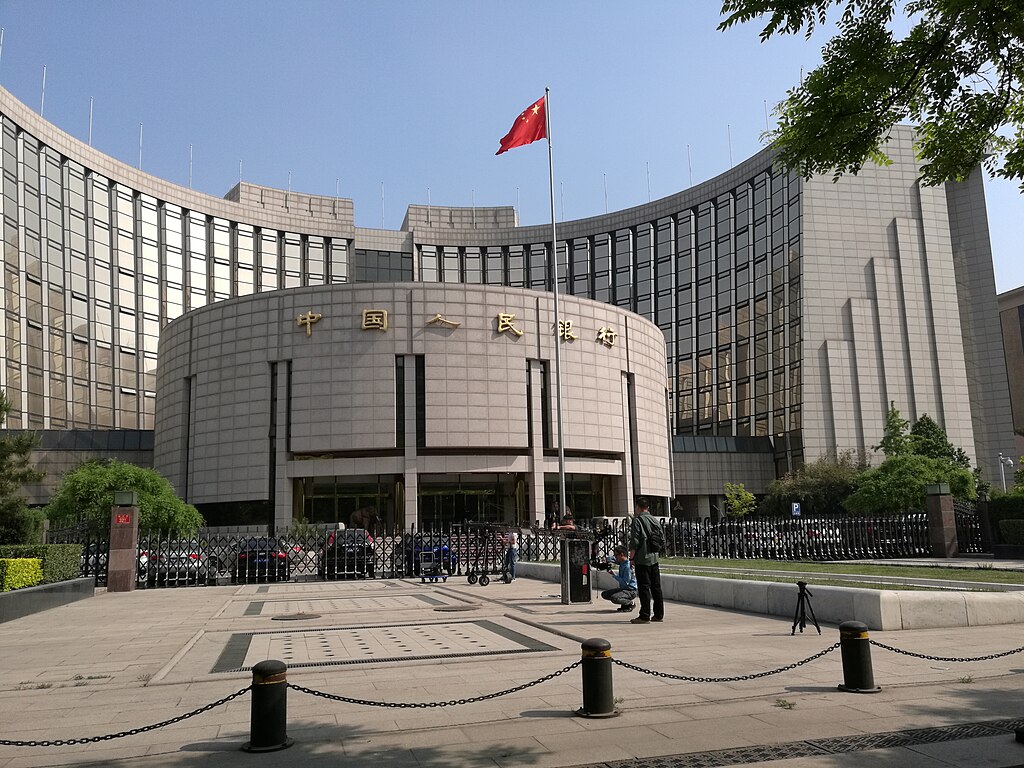
China’s central bank has stepped in to curb the rapid rise of the yuan, signaling growing concern over the currency’s sharp appreciation against the U.S. dollar. The People’s Bank of China (PBOC) announced it will remove the 20% risk reserve requirement on foreign exchange forward contracts starting March 2, a move designed to encourage dollar buying and slow the yuan’s momentum.
The decision follows the yuan’s surge to a near three-year high against the dollar. Since April last year, China’s currency has strengthened more than 7%, fueled largely by a surprising boom in exports and sustained capital inflows. Alongside the policy change, the PBOC also set a weaker-than-expected daily trading band for the yuan, reinforcing its intention to temper further gains.
Market analysts say the move reduces the cost of betting against the yuan, making it less punitive for businesses and investors to purchase dollars through forward contracts. While the policy is expected to ease appreciation pressure, experts believe it will only moderate the pace of gains rather than reverse the broader trend, especially if the dollar remains weak.
A stronger yuan makes Chinese assets more attractive to foreign investors and lowers import costs. However, it creates significant challenges for exporters whose revenues are largely denominated in U.S. dollars. Several Chinese companies have already reported profit declines linked to foreign exchange losses. Beijing Ultrapower Software Co cited yuan strength as a factor behind a 28% drop in 2025 profit, while Suzhou Junchuang Auto Technologies reported a 31% earnings slump. Other firms, including Ninebot and Shenzhen-based technology companies, also flagged negative currency impacts.
Recent data shows exporters have rushed to sell dollars, leading to $79.9 billion in net forex inflows in January, one of the highest levels on record. Despite intervention efforts, economists suggest the PBOC sees limited depreciation risk and believes the yuan may still have room to appreciate amid strong export performance and diversified global trade demand.







