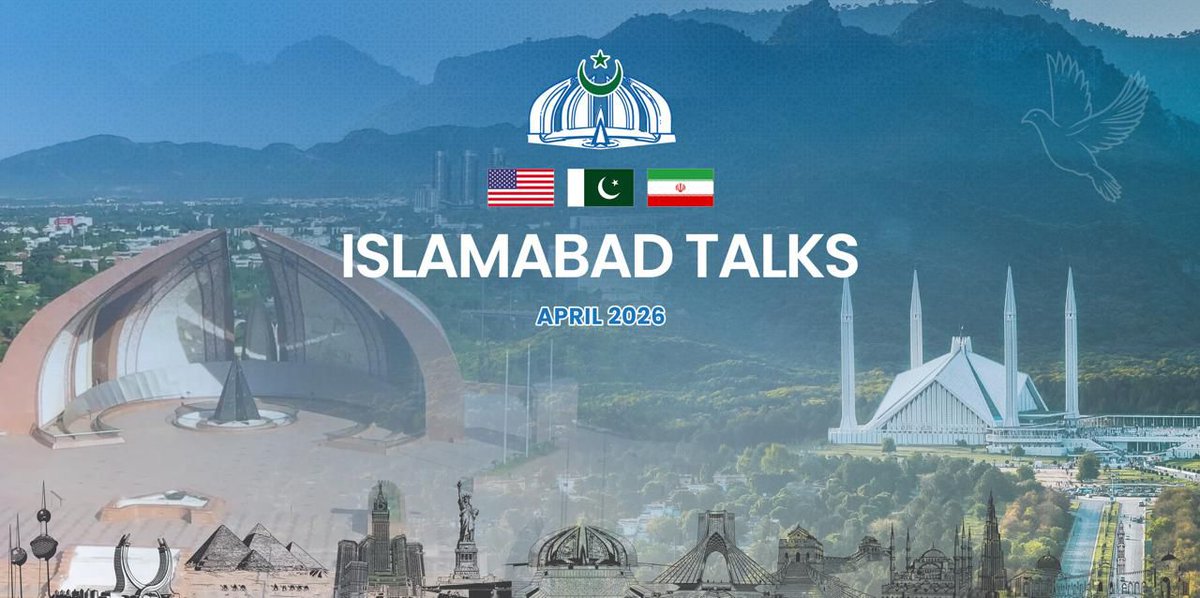
Pakistan and Qatar played a crucial role in helping secure a preliminary U.S.-Iran agreement this week after weeks of intense diplomacy, according to sources familiar with the negotiations. The breakthrough deal, announced by Pakistani Prime Minister Shehbaz Sharif, establishes a framework for ending tensions surrounding the Strait of Hormuz and opens a 60-day window for further talks on Iran’s nuclear program, sanctions relief, and regional security issues.
Sources involved in the negotiations said the path to the interim agreement was marked by repeated setbacks, with discussions nearly collapsing several times. Key disputes included proposals related to shipping and trade in the Strait of Hormuz, U.S. sanctions, the conflict in Lebanon, and broader regional security concerns. Negotiators reportedly spent hours debating specific language within the agreement, highlighting the sensitivity of the talks.
Qatar emerged as a critical mediator after negotiations stalled in May. Diplomatic sources said Doha provided financial assurances to Iranian leaders and conducted multiple discreet visits to Tehran to bridge differences between Washington and Tehran. Qatari officials also traveled to Washington to consult with senior U.S. policymakers and help refine the framework that ultimately led to the deal.
The final stages of the negotiations remained highly fragile. On the night before the announcement, renewed tensions following Israeli military actions in Lebanon threatened to derail the process. Pakistani military chief Field Marshal Asim Munir reportedly facilitated communications between the parties, helping keep talks alive until an agreement was reached.
Despite the breakthrough, analysts warn that securing a permanent U.S.-Iran agreement will be significantly more difficult. Major issues, including restrictions on Iran’s nuclear activities, sanctions relief, and long-term management of the Strait of Hormuz, remain unresolved. Experts also note that differing interpretations of the agreement by both sides could create additional challenges during the upcoming negotiations.
While the interim accord marks a significant diplomatic achievement, the process remains vulnerable to regional instability and ongoing distrust between Washington and Tehran, making continued mediation by Pakistan and Qatar essential in the months ahead.