


 Lake beds are rich environmental records — studying them reveals much about a place’s history
  Ukraine minerals deal: the idea that natural resource extraction can build peace has been around for decades
  Oracle Uses Trucked Natural Gas to Power AI Data Centers Amid Pipeline Delays
  Unsustainable – or manageable? We don’t yet know how data centres will impact Australia’s environment
  Trump Buys Up to $25M in Meta Stock, Invests in SpaceX Debt
  Bangladesh GDP Growth Accelerates to 4.6% on Industrial Rebound
  Oil Prices Rise as Gulf Hurricane and Middle East Supply Risks Mount
  Deutsche Bank CEO Urges Faster German Economic Reforms
  MSTR Stock Rises as Barclays Raises Price Target to $175
  Thousands of satellites are due to burn up in the atmosphere every year – damaging the ozone layer and changing the climate
  The world’s biggest trees could hold the secret to coping with drought
  Trump Secures Russian Diesel Deal as US Fuel Prices Surge
  Ledger Investigates Alleged $86 Million Crypto Wallet Theft
  US Dollar Hits 18-Month High as Fed Signals More Rate Hikes
  Swimming in the sweet spot: how marine animals save energy on long journeys
  GesiaPlatform Launches Carbon-Neutral Lifestyle App ‘Net Zero Heroes’
  Morgan Stanley Raises Coinbase Stock Price Target to $258 Ahead of Earnings


 Add as a preferred source on Google
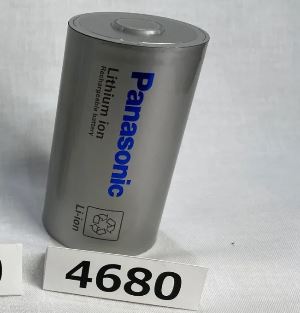
Panasonic will postpone the start of the commercial production of its 4680 battery cells for Tesla to April to September 2024, as it aims to improve performance.
The original plan is to start volume production between April 2023 to March 2024.
Panasonic, which said it will introduce performance improvement measures that will further enhance competitiveness, is running a pilot 4680 production line at its Wakayama factory in Japan.
Meanwhile, Tesla is already producing the 4680 battery cells, which it uses in its base Model Y and is touted by Musk as being key to making cheaper and more compelling electric cars. But the carmaker struggled to meet cell production and performance targets.
Tesla makes 4680 battery cells at its factories in California and Texas for over 1,000 cars per week as of the end of 2022.
According to Tesla executive Drew Baglino, the company plans to steadily ramp up production of 4680 battery cells ahead of Cybertruck production next year.
LG Energy Solution, Tesla's South Korean supplier, said last month that it planned to set up a new 4680 production line at its domestic factory by the end of this year, but did not say when the batteries would start volume production.







