


 US Stocks Slip as Treasury Yields Ease, AI Trade Rebounds
  Fed Unveils Stablecoin Rules Under GENIUS Act
  Japan Warns Markets Over Yen Weakness
  China Cuts Tariffs on U.S. Farm Goods but Excludes Soybeans
  Gold Rebounds as Oil Falls and Treasury Rout Eases
  Oil Prices Slide as Middle East Flows Recover
  Trump Eyes $54 Billion South Korean Investment in Alaska LNG
  Fed’s Williams Signals One More Rate Hike Before Year-End
  BOJ Signals Faster Rate Hikes as Inflation Risks Grow
  Nvidia China Chip Sales Report Sends Chinese Semiconductor Stocks Lower
  Australia Inflation Accelerates to 4% After RBA Rate Hike


 Add as a preferred source on Google
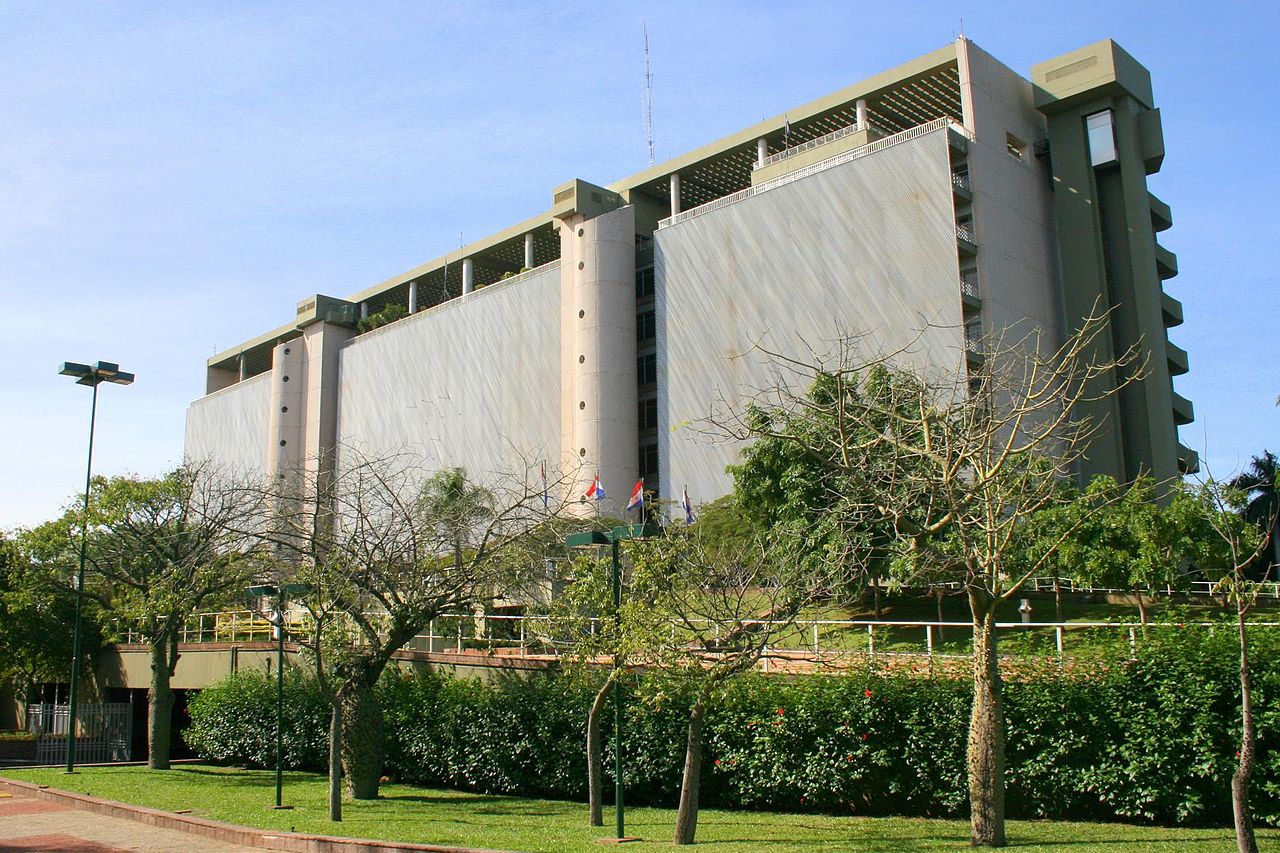
Paraguay's central bank decided to keep its benchmark interest rate steady at 5.5% on Friday, signaling a continued neutral monetary policy stance as the country navigates below-target inflation and a gradual economic slowdown. The decision aligned with widespread analyst expectations, following two consecutive quarter-point rate reductions since the start of the year.
The Banco Central del Paraguay targets an inflation rate of 3.5%, with an allowable tolerance band of plus or minus two percentage points. As of February, year-on-year inflation came in at just 2.3%, while core inflation registered at 2.1% — both comfortably within the target range. Monthly inflation for February was flat at 0%, as rising costs for education services and vegetables were effectively offset by declining food and fuel prices.
On the economic activity front, Paraguay's Monthly Indicator of Economic Activity posted a modest year-on-year growth of 0.9% in January, supported by gains in agriculture, electricity and water supply, and the services sector. The Business Figures Estimator also edged up 0.2% over the same period. Despite positive movement, the pace of expansion has noticeably slowed compared to prior periods, largely attributed to a higher statistical base from the previous year.
The Monetary Policy Committee flagged ongoing concerns over rising global energy costs, with international oil prices climbing above $100 per barrel amid escalating Middle East tensions. These external pressures remain a key variable the committee is watching closely for potential inflationary spillover effects on the domestic economy.
Moving forward, the central bank reaffirmed its commitment to closely monitoring both local and global economic developments, pledging to act swiftly if conditions threaten its inflation target. The next Monetary Policy Committee meeting is set for April 21, 2026, where policymakers will reassess whether the current rate stance remains appropriate given evolving economic conditions.







