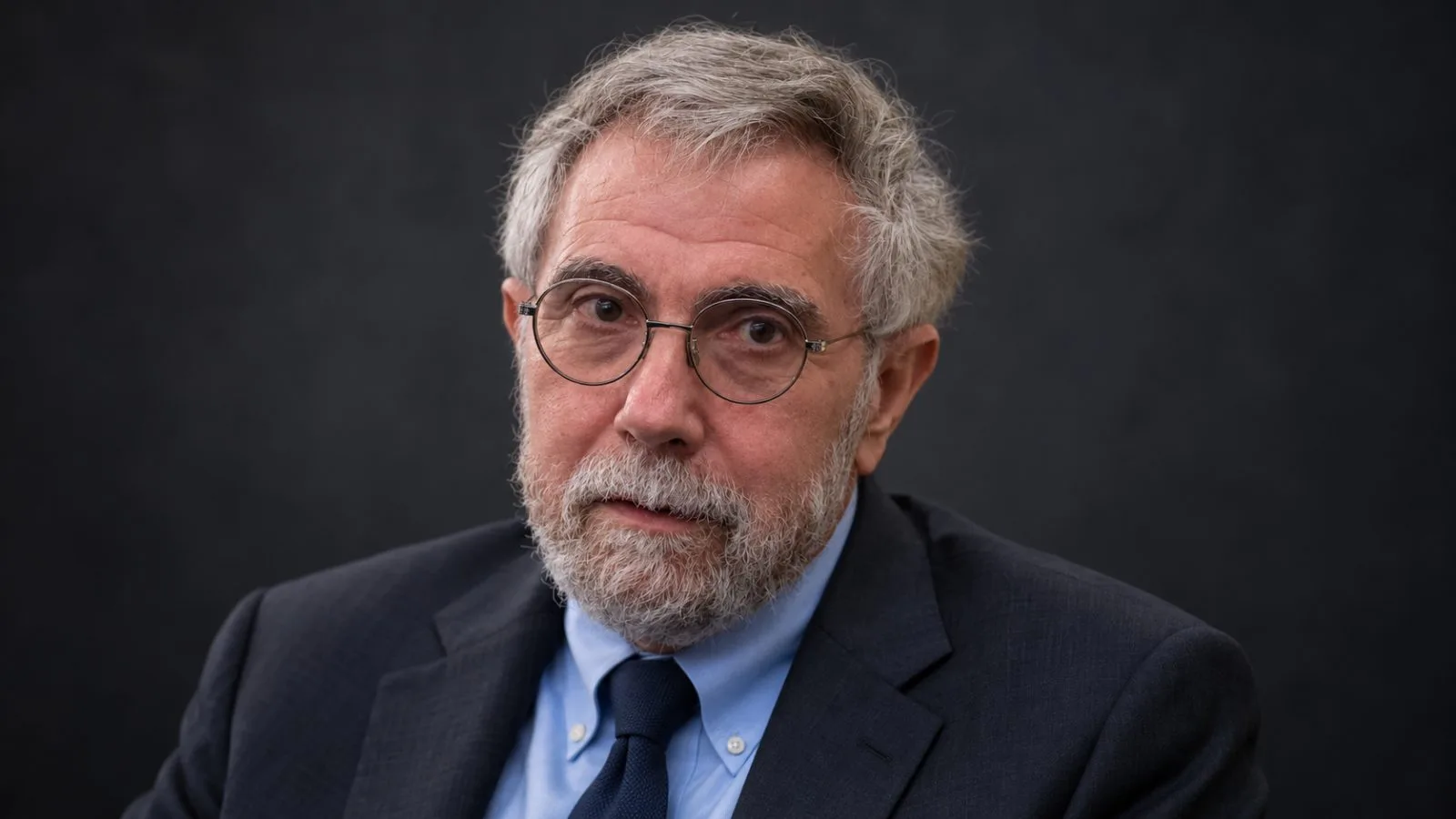
A Nov. 15, 2026, post by Paul Krugman frames Donald Trump’s tax law as a repeat of a Republican growth argument that, he says, has expanded deficits without producing lasting gains.
Krugman wrote that Trump’s economic team expected the One Big Beautiful Bill to lift growth sharply, despite its tax reductions for wealthy households and cuts to assistance for poor and middle-class people. He argues previous Republican tax reductions raised federal deficits without sustaining growth. He traces the “voodoo” label to George H.W. Bush’s criticism of tax-cut promises during the 1980 Republican presidential nomination campaign. Krugman also suggests the policy may endure partly because wealthy Americans give disproportionately to Republicans and affiliated causes.
The post connects tax policy to costs faced by U.S. households. Krugman described Trump’s tariffs as effectively a tax on Americans and blamed tariffs and the war on Iran for inflation’s increase. He cited food prices 4% higher than when Trump took office, gasoline and diesel prices up 45%, and annual inflation of 3.9%, after it had been below 3% when he entered office. Krugman contrasted those figures with campaign pledges he says Trump made to lower grocery prices immediately and cut energy costs in half within six months. He said rising prices were reducing Americans’ living standards.
Krugman said economic frustration contributed to Republican losses in the midterms but did not fully explain voter sentiment. In discussing exit polls, he cited anger over corruption, Hispanic voters’ anger over Trump’s deportation policy, Black voters’ reaction to Trump’s racism and Republican gerrymandering, and young white men’s protests against the Iran war. He also argued a future Democratic president seeking to reduce deficits by raising taxes could face Republican charges of harming jobs, as Bill Clinton and Barack Obama did.