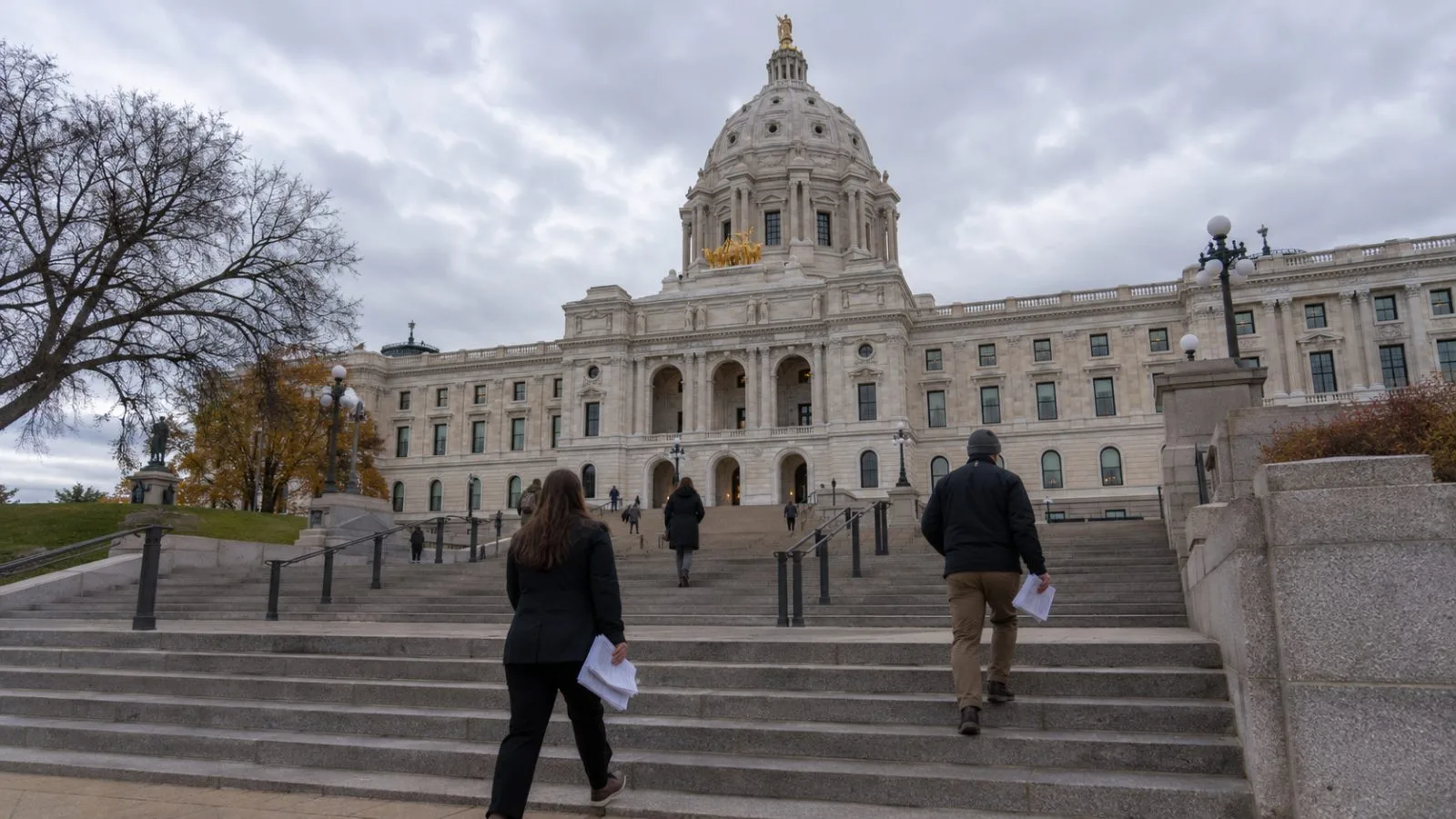
Minnesota Lt. Gov. Peggy Flanagan is taking proposals for Medicare for All and a $17 federal minimum wage into the state’s open Senate race, putting health costs and wages before voters ahead of the Nov. 3 election.
Certified returns from the Minnesota Secretary of State give Flanagan 59.01% of Democratic-Farmer-Labor (DFL) ballots, or 411,853 votes, in the Aug. 11 primary. Republican Michele Tafoya received 52.07% of her party’s vote, with 211,813 votes.
Minnesota’s official general-election ballot lists four named U.S. Senate candidates: Flanagan, Tafoya, Independent Marisa Simonetti and Libertarian Rebecca Whiting. The seat is open because Sen. Tina Smith said she would not seek another term before her current term ends in 2027.
Flanagan’s platform backs Medicare for All and a federal minimum wage of $17 an hour, with increases linked to inflation. Her campaign says the wage proposal is intended to help workers keep pace with food, housing and other everyday costs. Neither proposal is current federal policy.
Flanagan served in the Minnesota House from 2015 to 2019 and was elected lieutenant governor in 2018 and 2022, according to the state’s executive-office directory. She is a member of the White Earth Band of Ojibwe. Her campaign says she would be the first Native American woman to serve in the Senate if elected; the Senate Historical Office’s records identify four American Indian senators, all men.
She filed a statement of candidacy with the Federal Election Commission (FEC) on Feb. 14, 2025. The contest has also featured debate over polling and fraud oversight, topics covered in earlier EconoTimes reporting on the Minnesota Senate race. Minnesota voters will choose the next senator Nov. 3.