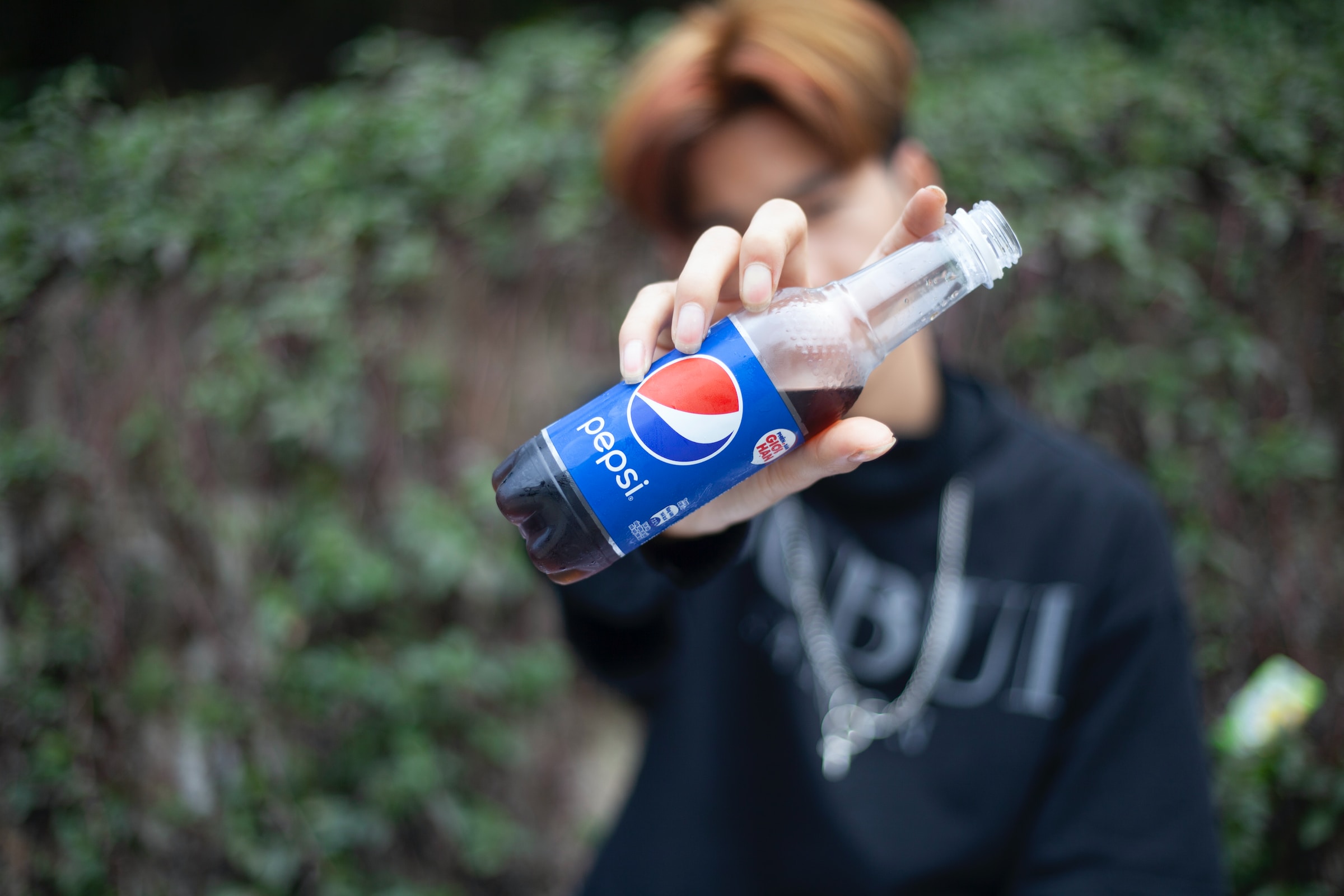
Pepsi and Nestlé's Mineré make history in Thailand, introducing the nation's first bottles from post-consumer recycled (PCR) material. Bolstered by influential campaigns, this eco-friendly milestone—realized with Envicco's cutting-edge technology—encourages recycling and leverages the newly-permitted use of food-grade rPET.
The used rPET bottles of Mineré can be conveniently deposited in specialized bins at the popular supermarket chain 7-Eleven. In contrast, Pepsi's bottles can be collected at designated bins in Siam Square, one of Bangkok's busiest shopping and entertainment areas.
The game-changing advancement has been made possible through the joint efforts of Envicco, a partnership between Thai petrochemical producer PTT Global Chemical and Austrian plastics packaging manufacturer Alpla. This venture is responsible for producing 100% recycled polyethylene terephthalate (rPET) in Thailand.
Notably, using recycled material in food contact applications was prohibited under Thailand's prevailing plastic waste regulations. However, in a significant turn of events, Thailand's Ministry of Public Health (MOPH) reversed its standpoint in June 2022. They now declare that using rPET is permissible, provided it is sourced from a secondary recycling source that has undergone safety and efficiency evaluations to ensure the reduction or elimination of contaminants.
Envicco, the pioneer recycler in Thailand, is the first to receive 'food-grade rPET' certification from the National Food and Drug Administration. The rPET, named 'InnoEco,' was also approved by the U.S. Food and Drug Administration before receiving Thai authorities' endorsement.
Natthanun Sirirak, the managing director of Envicco, proudly attests that their materials are exclusively sourced from plastics obtained within Thailand. Leveraging cutting-edge recycling technology, Envicco restores the value of used plastics and contributes to a more sustainable future.
The Envicco recycling facility in Rayong province was inaugurated in September 2022. Boasting an impressive annual production capacity of 30,000 tons of rPET and 15,000 tons of recycled HDPE (rHDPE), this facility ranks among the largest recycling operations of its kind in Asia. The mechanical recycling process employed by Envicco meets all quality, safety, and efficiency standards, ensuring the production of food-grade PCR materials.
Bernd Wachter, Alpla's corporate director for circular economy & recycling in Asia, stresses the critical role of raising awareness about the value of recyclables in promoting the circular economy. Consumer engagement is vital in increasing collection rates, mitigating waste, and ensuring a consistent supply of materials for continued recycling efforts.
Photo: Quỳnh Lê Mạnh/Unsplash