More U.S. adults chose an independent or other label than either major party individually, while an October poll found likely independent voters favored Democrats for Congress ahead of the Nov. 3 midterms.
Pew Research Center surveyed 5,511 adults from Jan. 30 to June 18 for its 2026 National Public Opinion Reference Survey. Forty-four percent described their affiliation as independent or “something else,” compared with 29% who identified as Democrats and 28% as Republicans. The 44% figure was the highest share in Pew’s overall 2020-26 series.
On a separate question about party leanings, 19% of adults leaned Democratic and 15% Republican. Ten percent reported no lean or refused. The measures distinguish a person’s stated affiliation from their preference between the major parties.
An NPR/PBS News/Marist poll of 1,289 registered voters, conducted Oct. 19 and 20, found Democratic congressional candidates were preferred 52% to 39% among likely voters who identified as independent. The poll’s ±3.8 percentage-point margin of error applied to the generic ballot among likely voters overall; it did not report a separate margin for the independent subgroup.
Three members of Congress are listed as independents: Rep. Kevin Kiley of California and Sens. Angus King of Maine and Bernie Sanders of Vermont. King and Sanders caucus with Democrats.
State candidate lists show different lineups for two Senate races. Nebraska’s final list includes Dan Osborn under the designation “By Petition,” Republican Pete Ricketts and candidates from three other parties; no Democratic candidate appears. Montana’s list includes independent Seth Bodnar, Democrat Alani Bankhead, Republican Kurt Alme and Libertarian Kyle Austin.
A federal law Congress enacted in 1967 set the one-member-per-district rule for House elections beginning with the 92nd Congress in 1971, according to the Congressional Research Service. Under that arrangement, national party vote totals do not determine House seats in proportion to each party’s share of the vote.
Federal Election Commission filings show the Democratic National Committee reported $252.3 million in receipts and the Republican National Committee $341.5 million from Jan. 1, 2025, through Oct. 14, 2026. The Independent Leadership Council said Aug. 27 that it had raised more than $10 million since launching in July. The group named Heather Manchin, Adam Brandon and Seth Cohen as co-founders. Co-founder Adam Brandon said, “Our job now is to prove those choices can win.”
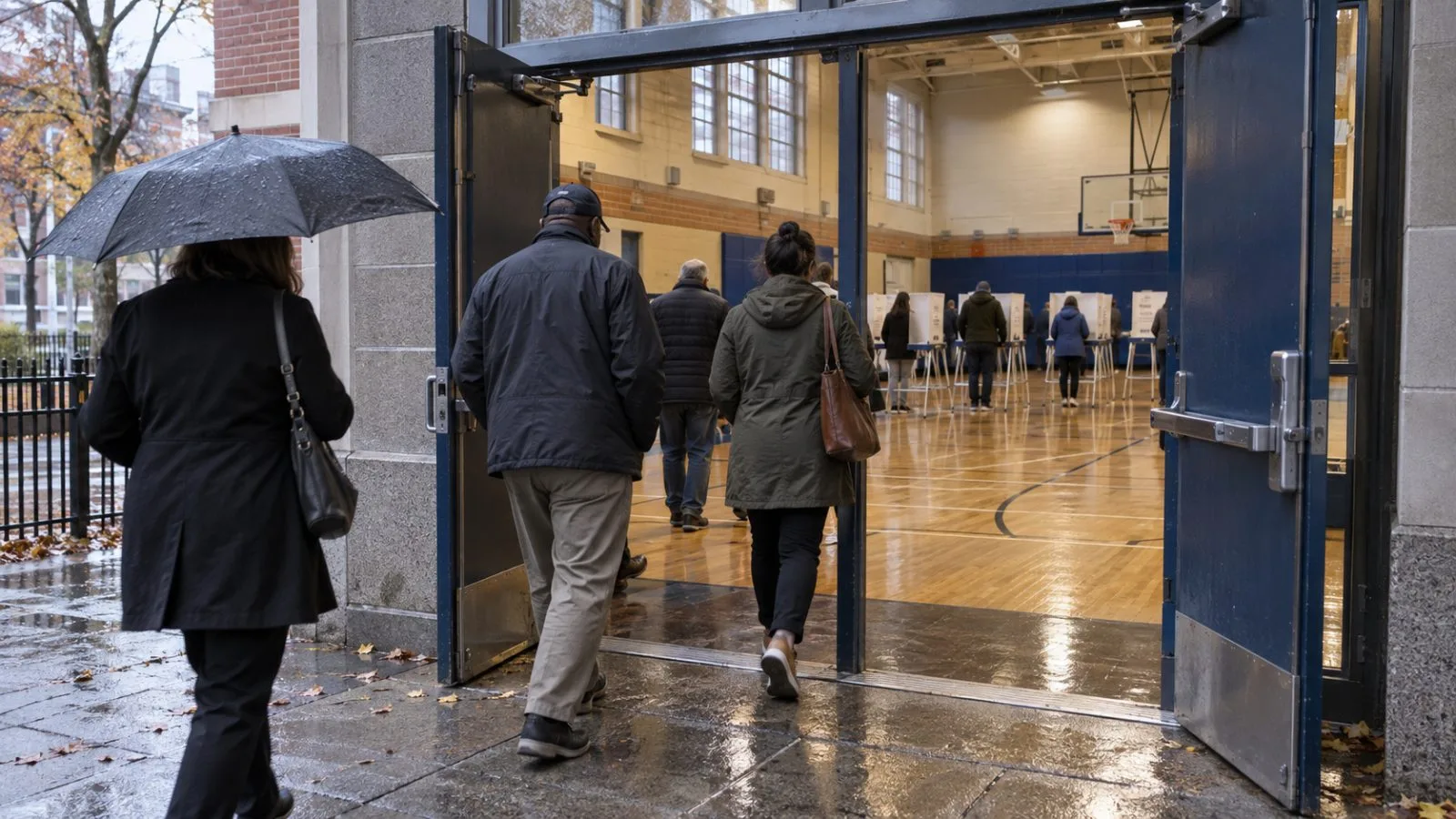
Voters are scheduled to cast ballots Tuesday, Nov. 3.