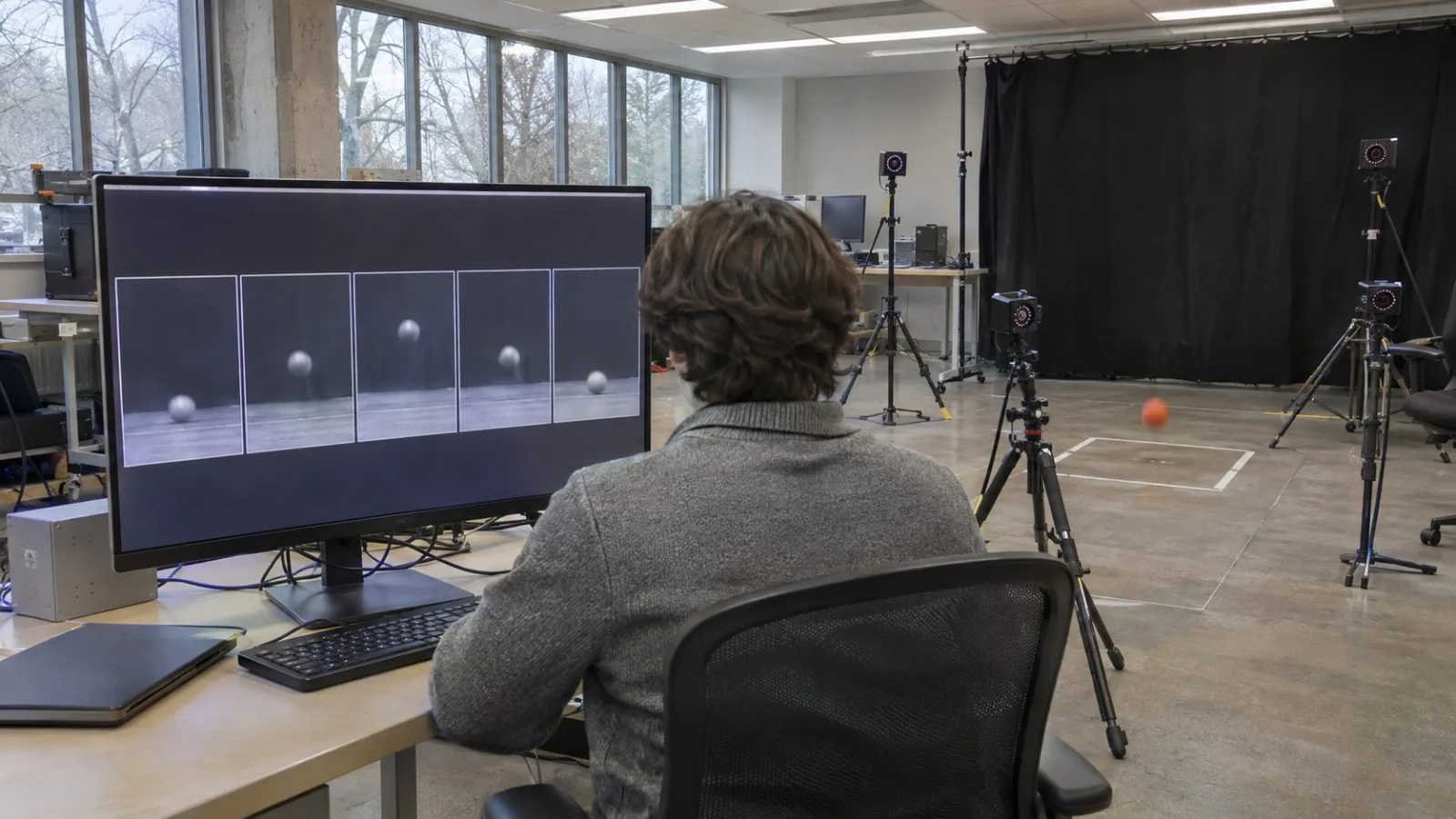
PhysLoop combines language-model guidance with video generation and editing to address a persistent weakness in AI footage: scenes that look convincing can still violate physical cause and effect.
Language models steer clip production and help select or revise outputs. PhysLoop has two functions: supporting the creation of training examples under set conditions and editing selected parts of a generated video while a model produces it.
A 100,000-video collection covering indoor and outdoor settings forms part of the project, which also includes video-generation tools. PhysLoop-Gen evaluates controllable video creation, while PhysLoop-Repair focuses on localized changes. The researchers also assess physical behavior using Physics-IQ Verified, an external benchmark.
The work addresses a gap in video models: persuasive-looking scenes may show movement or interactions that are physically implausible. The researchers say preparing training material with controlled physical behavior can require close supervision and human review. They describe PhysLoop as a step toward models that refine training examples with less human oversight.