Polish organizations representing survivors of Nazi persecution are seeking private donations for elderly victims as Germany has yet to decide whether to provide further humanitarian support.
The Nov. 5 appeal asks German civil society to help pay for medical care and everyday needs and calls for a lasting support mechanism. “We appeal primarily to German civil society for solidarity and humanitarian support,” the signatories said.
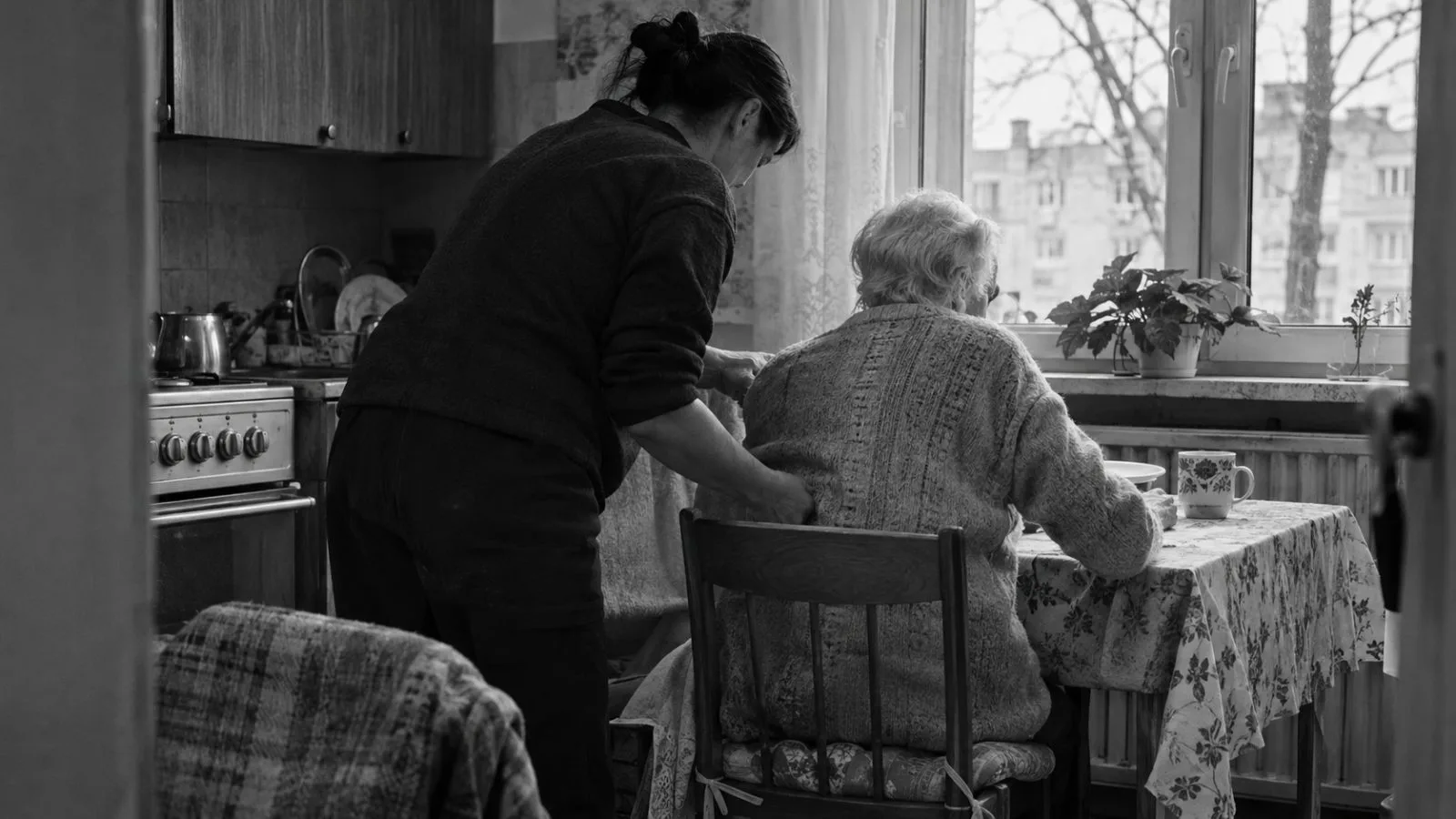
The Foundation for Polish-German Reconciliation puts the affected population in Poland at about 50,000. It includes former concentration camp and prison inmates and people sent to Germany for forced labor; many are over 90 and need help with illness, care and daily expenses.
In a Nov. 2 interview with DW, Foundation chairman Jakub Deka estimated that about 40,000 people remained among the former benefit applicants listed in the foundation’s records. He said people outside those records might also qualify. The estimates describe differently defined groups and are not directly comparable.
A joint declaration issued by Germany and Poland on Dec. 1, 2025, said Germany would assess possible further support for Polish victims of Nazi aggression and German occupation from 1939 to 1945. It set no funding amount or timetable.
At a Sept. 23 briefing, Federal Foreign Office deputy spokesman Josef Hinterseher said the government had made no decision on a humanitarian gesture and that the 2027 draft budget reflected that status. Asked whether this ruled out a change during parliamentary deliberations, Hinterseher said he had not said that.
As of Nov. 4, the foundation reported receiving €35,350 in donations and providing €11,584 in assistance to 34 people. It says donations cover individual medical, rehabilitation, care and daily living costs, while current funds reach only a small share of those in need. The foundation says larger individual-payment programs ended more than 20 years ago.
The Bundestag Budget Committee is scheduled to conduct its final review Thursday, Nov. 12. Final budget deliberations are set for Nov. 24–27, with a vote planned for Nov. 27.