


 Japan Warns Markets Over Yen Weakness
  Trump Eyes $54 Billion South Korean Investment in Alaska LNG
  BlackRock’s Rick Rieder Favors Bonds Over Stocks as Treasury Yields Surge
  Asian Currencies Weaken as Dollar, Oil Prices Rise
  BOJ Set to Raise Rates to 1.25% as Inflation Risks Build
  China Cuts Tariffs on U.S. Farm Goods but Excludes Soybeans
  RBA Hikes Interest Rate to 4.60% as Inflation Risks Rise
  Fed’s Hammack Says Bond Yield Surge Is Not Driven by Inflation Fears
  Fed’s Williams Signals One More Rate Hike Before Year-End
  Oil Prices Jump Nearly 3% as Iran Holds Firm on Hormuz Conditions
  Nvidia China Chip Sales Report Sends Chinese Semiconductor Stocks Lower
  RBA Set for September Rate Hike as Inflation Stays High
  China, US Extend Trade Truce Through January 10 After Trump-Xi Summit
  Gold Plunges 4% as Treasury Yields Surge and Fed Rate Hike Bets Rise
  Global Central Banks Brace for More Rate Hikes as Inflation Risks Rise


 Add as a preferred source on Google
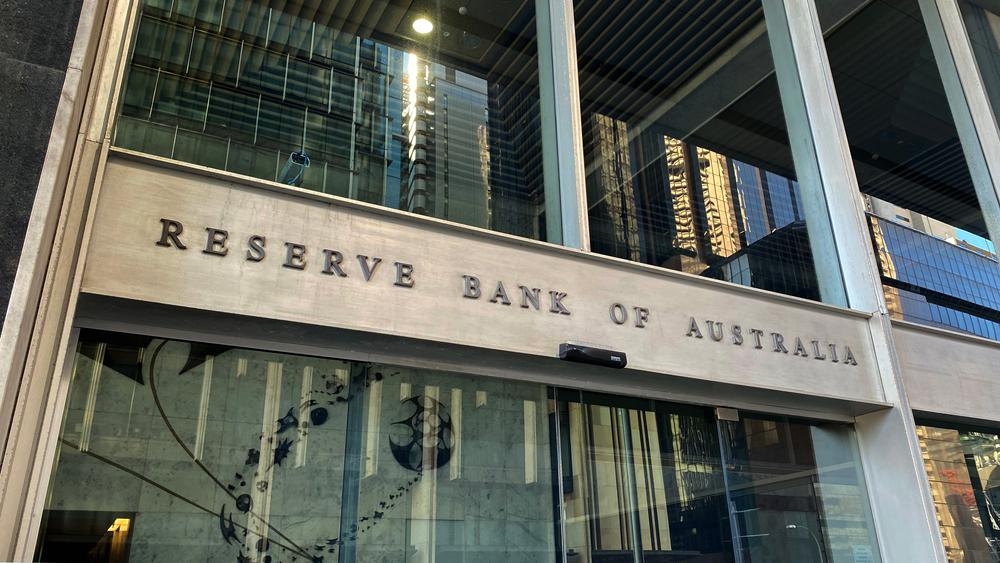
The Reserve Bank of Australia is widely expected to raise its benchmark interest rate by 25 basis points at the conclusion of its two-day policy meeting on March 17, bringing the cash rate to 4.10% — a one-year high. The anticipated move follows a similar hike in February as the central bank intensifies its fight against a resurgence in inflation that emerged in late 2025.
Persistently strong consumer price data has been the primary driver behind rate hike expectations, with inflation climbing back above the RBA's 2% to 3% annual target range. All four of Australia's major banks are forecasting a March increase, with another 25 basis point rise projected for May. Commonwealth Bank economist Belinda Allen noted that while the March decision may be more contested than February's, elevated inflation and above-trend economic growth make another hike the most likely outcome.
Adding to inflationary pressure is the ongoing U.S.-Israel conflict with Iran, which has disrupted global energy markets and pushed oil prices higher. Given Australia's significant dependence on oil imports, the RBA is expected to act preemptively to contain any energy-driven price spillovers. NAB analysts described hiking in March as the "policy of least regret," citing limited tolerance for further inflation overshoot.
Strong domestic demand and a tight labor market are also contributing to the RBA's hawkish stance. The central bank's terminal rate for this cycle is projected at 4.35%, after which policymakers are expected to pause and assess the cumulative impact of their tightening measures.
Financial markets are already reacting. Australian equities have struggled amid the rate-hike environment, though losses in the ASX 200 may be cushioned by gains in the banking sector. Meanwhile, the Australian dollar has strengthened considerably, with the AUD/USD pair reaching a four-year high on the back of hawkish RBA signals — and analysts expect further upside if the central bank raises rates as anticipated.







