


 Fed's Hammack Urges Faster Rate Hikes to Fight Inflation
  Visa Wins China Approval to Prepare Domestic Payments Expansion
  BOJ Signals Faster Rate Hikes as Inflation Risks Grow
  Oil Prices Fall as Trump Ceasefire Claim Shifts Market Focus to U.S. CPI
  RBI Rate Hike Bets Surge as Inflation Rises
  European Stocks Rise as Oil Prices Fall Ahead of US CPI
  Gold Prices Rebound as Dollar Weakens Ahead of US Inflation Data
  Fed’s Hammack Says More Data Needed Before Next Rate Move
  US Stock Futures Rise as Oil Prices Fall Ahead of Q3 Earnings
  Australia Consumer Confidence Plunges as RBA Rate Hike Hits Households


 Add as a preferred source on Google
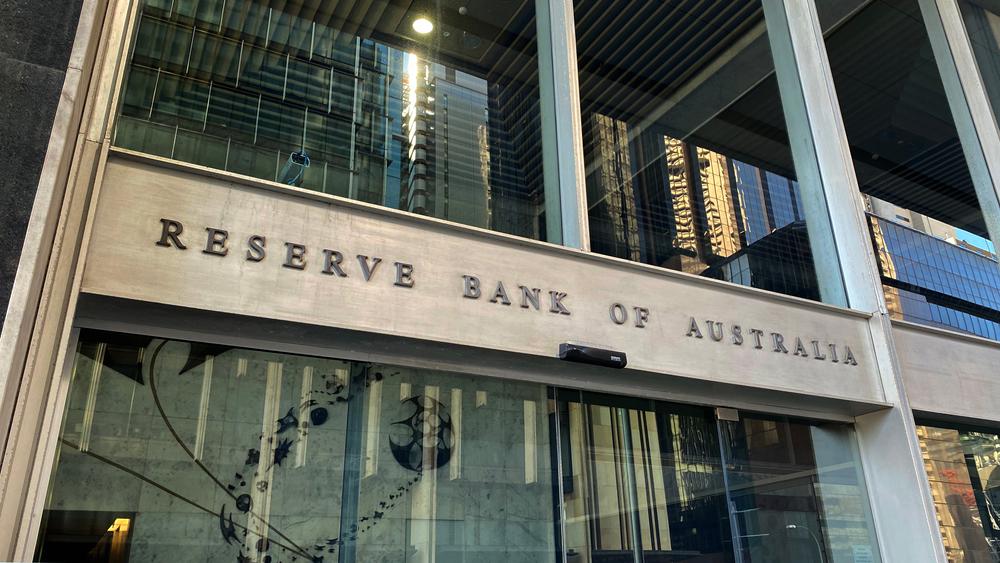
The Reserve Bank of Australia (RBA) has indicated that further interest rate hikes remain possible as policymakers confront persistent inflation pressures and rising global costs, according to minutes from its September monetary policy meeting released Tuesday.
The minutes revealed that all members of the RBA Monetary Policy Board unanimously supported increasing the cash rate by 25 basis points to 4.60% during the September 28-29 meeting.
Officials expressed growing concerns that domestic capacity constraints, higher international costs and resilient economic activity could keep Australian inflation elevated longer than previously anticipated.
The central bank acknowledged that several inflation risks identified in August had either materialized or intensified, complicating its efforts to restore price stability.
Policymakers also questioned earlier forecasts suggesting inflation would return to the midpoint of the RBA's 2%-3% target range by late 2027. Those projections depended on favorable economic developments that now appear increasingly unlikely.
The September meeting minutes highlighted the possibility of additional monetary tightening to prevent inflation expectations from becoming entrenched.
Board members warned that delaying further interest rate increases could make controlling inflation more difficult, particularly after an extended period of elevated consumer prices.
Officials also noted that Australia's current cash rate might not be sufficiently restrictive if global neutral interest rates have increased.
Meanwhile, higher interest rates in other major economies could weaken the Australian dollar if the RBA maintains its existing policy stance, potentially increasing imported inflation.
Despite the hawkish outlook, policymakers considered leaving interest rates unchanged because of potential economic risks.
These included falling housing prices, uncertainty surrounding the Middle East conflict and the delayed impact of previous monetary tightening on employment and consumer spending.
However, the board ultimately determined that controlling inflation remained the priority, even if tighter monetary policy resulted in slower economic growth and weaker labor market conditions.
Australia's economy has demonstrated resilience, with second-quarter GDP growth exceeding expectations. Business investment increased more than 10% year over year, helping offset softer household consumption.
Nevertheless, unemployment climbed to 4.6% in August, while consumer spending remained below its long-term trend.
Leading labor market indicators suggested employment conditions could remain relatively stable in the near term.
The latest RBA minutes reinforce expectations that Australian interest rates could rise further if inflation pressures persist, keeping investors focused on upcoming economic data and future central bank decisions.







