


 Navigating the Crypto Pulse: Weekly Market Resilience and Institutional Inflows
  XRP Price Eyes $1.50 as ETFs Attract $8.17M Inflows
  Canton Network Expands in South Korea With Major Partnerships
  Amazon in Talks to Acquire AI Startup Decart for $7 Billion
  Blockchain.com Seeks CFTC Approval for Prediction Markets and Crypto Derivatives
  FAA Warns US Airlines Over Saudi Arabia Flight Risks
  XRP Ledger Agentic Payments Surge Past 13 Million Transactions
  Bitcoin ETFs Lose $681 Million, Ending Three-Week Inflow Streak
  Dogecoin Price Rises as Bitwise Plans DOGE ETF Closure
  Samsung, SK Hynix Shares Fall as China's CXMT Advances DRAM Technology
  Evernorth Nasdaq Listing Nears as XRP Price Falls
  Morgan Stanley Raises Coinbase Stock Price Target to $258 Ahead of Earnings
  Bitcoin Price Faces Volatility Ahead of US CPI and Fed Speech
  BNB Price Faces Pressure as DOJ Investigates Binance


 Add as a preferred source on Google
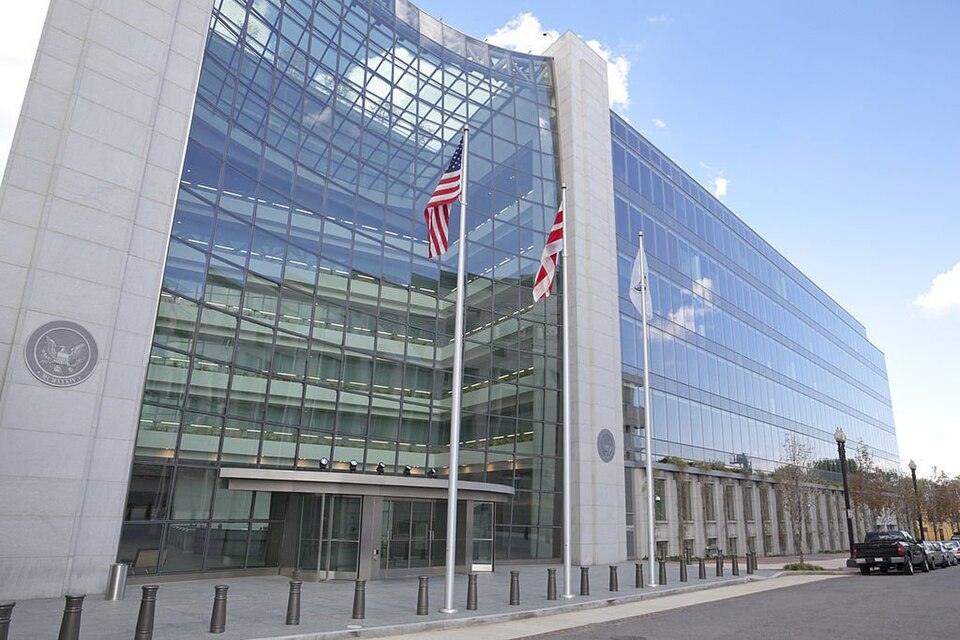
Coinbase CEO Brian Armstrong has endorsed the U.S. Securities and Exchange Commission’s (SEC) proposed accredited investor reforms, supporting efforts to expand retail investor access to private markets and early-stage investment opportunities.
In an October 11 post on X, Armstrong described the initiative as “a huge step forward,” arguing that existing wealth requirements unfairly exclude ordinary investors from potentially lucrative private equity and startup investments.
Under current SEC Regulation D rules, individuals generally must earn at least $200,000 annually or hold a net worth exceeding $1 million, excluding their primary residence, to qualify as accredited investors.
Armstrong has previously criticized these restrictions as a “regressive tax,” arguing that wealthy individuals gain privileged access to investment opportunities while retail participants often wait until companies go public.
On September 30, 2026, the SEC requested public feedback on alternative qualification standards under Rule 501(a)(10). The proposed changes would allow individuals to demonstrate financial knowledge rather than relying exclusively on income or wealth.
One potential pathway involves passing a FINRA-administered examination modeled after the Securities Industry Essentials test. The approximately 75-question assessment would be available to adults aged 18 and older, with qualifications remaining valid for 10 years.
Other proposed pathways include professional credentials such as Certified Public Accountant (CPA), Chartered Financial Analyst (CFA), and Certified Financial Planner (CFP).
SEC Commissioner Hester Peirce supported reconsidering existing requirements, emphasizing that financial wealth does not necessarily reflect investment expertise. However, she questioned whether FINRA should have exclusive responsibility for administering the examination.
The proposals remain under review, with public comments generally accepted for 60 days following Federal Register publication.
Meanwhile, cryptocurrency companies are developing platforms designed to broaden investment accessibility through tokenization.
Ondo has introduced blockchain-based exposure to pre-IPO artificial intelligence companies for non-U.S. investors, while Securitize has launched tokenized stock trading on Solana.
Coinbase has also expanded IPO access for American users, reflecting growing demand for investment opportunities beyond traditional stock markets.
Separately, OKX-ICE has pursued regulatory approval for round-the-clock trading of tokenized NYSE stocks.
Although SEC accredited investor reform could increase participation in private markets, investors would still face significant risks, including limited liquidity, uncertain valuations, and potential fraud.
Armstrong’s support highlights growing pressure on regulators to replace wealth-based investment restrictions with qualification standards focused on financial knowledge and investor sophistication.







