


 Australia Consumer Confidence Plunges as RBA Rate Hike Hits Households
  Philippines Current Account Deficit Seen at $19.1 Billion in 2026
  Visa Wins China Approval to Prepare Domestic Payments Expansion
  Gold Prices Fall Amid Rate Jitters; Copper Steady as China Stimulus Eyed
  Fed's Hammack Urges Faster Rate Hikes to Fight Inflation


 Add as a preferred source on Google
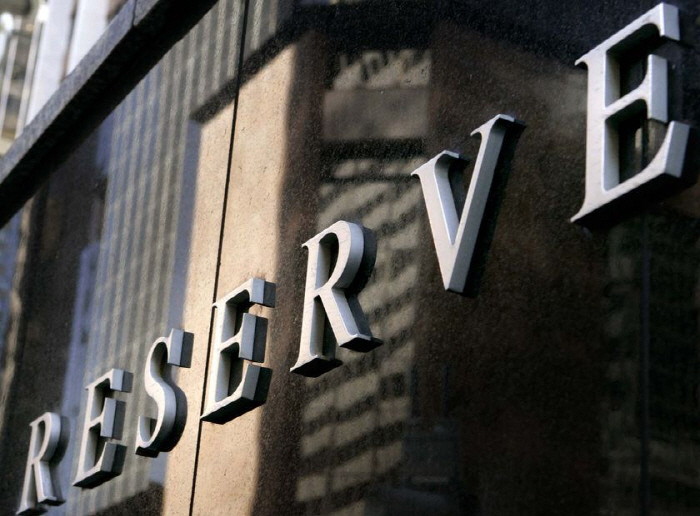
Reserve Bank of Australia (RBA), decided to keep policy unchanged and keep interest rate at 2%. RBA's decision has given support to Aussie, which is now trading at 0.729 against Dollar, up 0.85% so far today. Reserve bank of Australia (RBA) after few sharp reduction in rates has kept policy unchanged from mid of the year as outlook improved and weak Aussie contributed to deterioration of terms of trade.
Let's look at the details policy announcement to assess the bias of RBA.
Key highlights -
- RBA notes that global economy is growing at moderate pace, with marginal softening in Asia, and growth in US and Europe. (Neutral bias)
- Commodity prices are much lower and Australia's terms of trade declining. (Mild dovish)
- Moderate expansion in Australian economy and improvement in non-mining sector leading to stronger unemployment growth. (Hawkish).
- Inflation low and likely to remain so but consistent with target over two years. (Neutral).
- RBA seems to be less worried over the risks from rising house prices and assures of keeping policy accommodative. (Neutral)
- Not much over Australian Dollar just one liner suggesting it is adjusting to lower commodity prices. (Mild bullish for Aussie)
- RBA's board judged that prospects on economic improvement have firmed. (Hawkish)
- Outlook of inflation, may afford further easing if situation demands so. (Neutral)
With most bias pointing to a neutral to hawkish tone, RBA is expected to leave rates unchanged going ahead at least till first quarter next year, unless rapid deterioration of economic outlook.







