


 Nvidia China Chip Sales Report Sends Chinese Semiconductor Stocks Lower
  BlackRock’s Rick Rieder Favors Bonds Over Stocks as Treasury Yields Surge
  Japan Warns Markets Over Yen Weakness
  Europe’s AI Data Centre Boom Strengthens Case for Nuclear Power
  ECB May Stop Rate Hikes After December, Capital Economics Says
  US Dollar Hits Two-Month High as Aussie, Pound Slide
  RBI Uses $10 Billion Currency Swaps to Drain Excess Rupee Liquidity
  BOJ Raises Interest Rate to 31-Year High as Yen Weakens
  Asian Stocks Fall as Oil Surge, Bond Yields and AI Concerns Hit Markets
  Fed Unveils Stablecoin Rules Under GENIUS Act
  Fed Unveils Stablecoin Rules Under GENIUS Act
  UK Housebuilder Stocks Surge on New First-Time Buyer Loan Scheme
  Yen Sinks as BOJ Rate Hike Fails to Impress Markets
  China Industrial Profit Growth Slows as Weak Demand Offsets AI Gains


 Add as a preferred source on Google
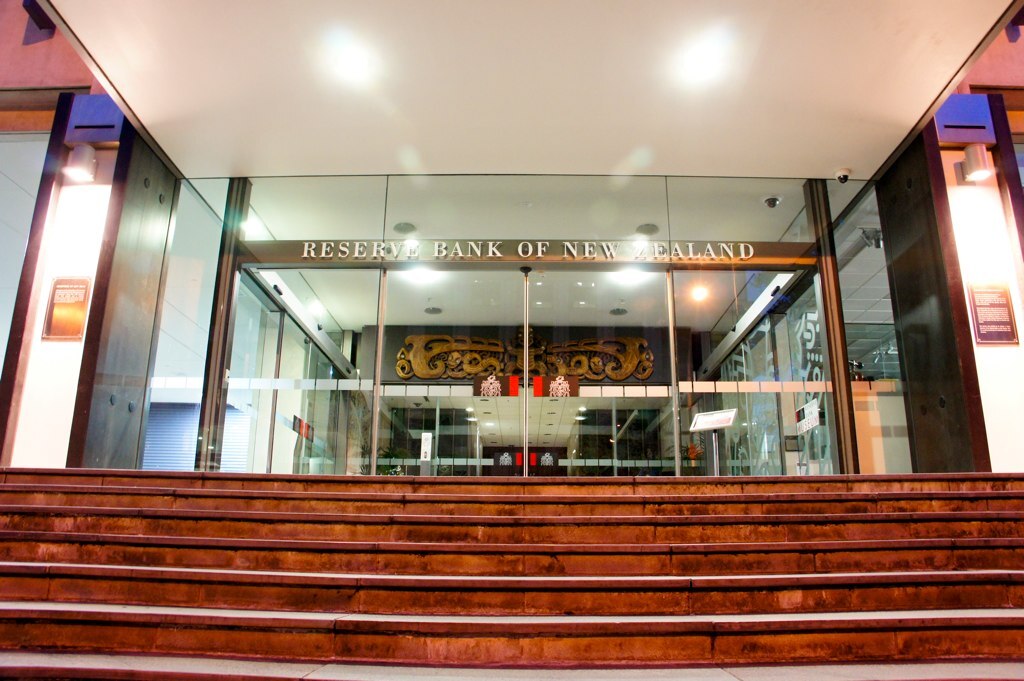
New Zealand’s central bank kept interest rates unchanged on Wednesday but warned that further monetary tightening may be necessary later this year as rising global tensions increase inflation risks and slow economic activity.
The Reserve Bank of New Zealand (RBNZ) maintained the official cash rate at 2.25%, matching market expectations. However, the central bank adopted a more hawkish tone, indicating that borrowing costs could rise sooner and more aggressively than projected in its February outlook.
The latest RBNZ policy decision revealed a split among Monetary Policy Committee members. Three policymakers supported keeping rates on hold, while the other three voted in favor of a 25-basis-point increase. Governor Anna Breman ultimately used her casting vote to leave rates unchanged.
According to the RBNZ, inflation is expected to climb to 4.3% in the third quarter of 2026, up from 3.1% recorded in the March quarter. Officials pointed to higher fuel and petrochemical prices caused by disruptions in the Strait of Hormuz as a major driver of inflationary pressure.
The central bank also warned that supply chain disruptions, elevated energy costs, and declining business confidence are weighing on New Zealand’s economy. Policymakers noted that unemployment remains high while the housing market continues to struggle.
Despite weaker economic conditions, the RBNZ said stronger inflation expectations and persistent price-setting behavior among businesses could force the bank to tighten monetary policy further in order to stop temporary price shocks from becoming long-term inflation problems.
Following the announcement, the New Zealand dollar strengthened sharply. The NZD/USD currency pair jumped 0.7% as investors increased expectations for future rate hikes by the RBNZ.
The latest decision highlights growing concerns among global central banks about inflation risks linked to geopolitical tensions and energy market disruptions in 2026.







