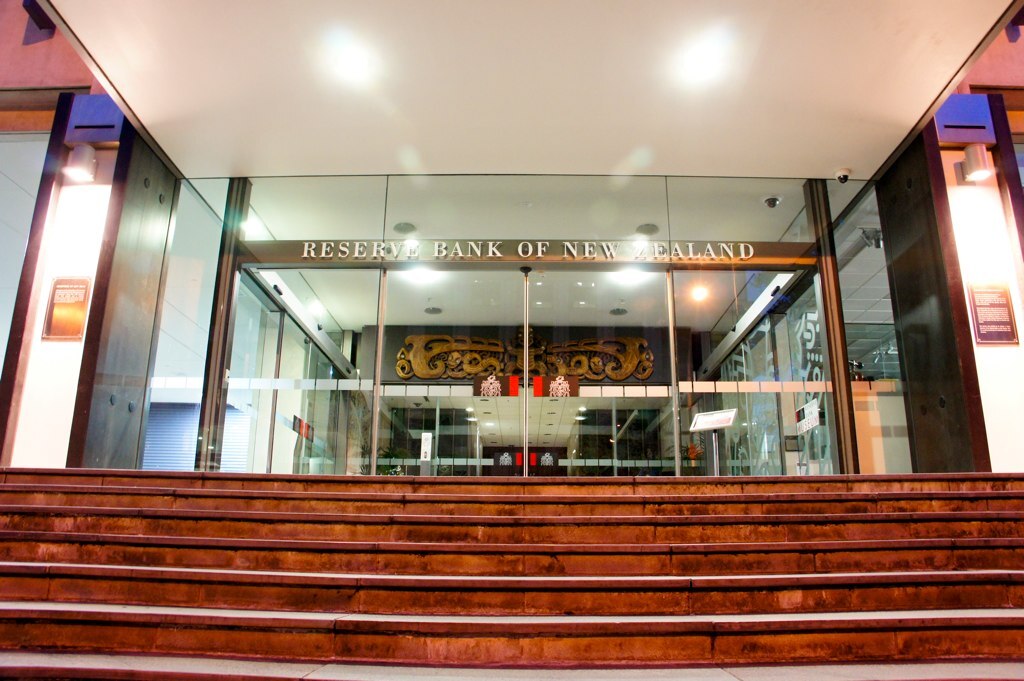
The Reserve Bank of New Zealand (RBNZ) raised its official cash rate by 25 basis points to 2.75% on Wednesday, matching market expectations while signaling a more cautious approach to future interest rate hikes.
The New Zealand dollar fell sharply after the decision, with NZD/USD dropping about 0.6% to 0.586. The NZX 50 was largely unchanged, slipping around 0.1% to 13,778.87.
Wednesday’s move marked the RBNZ’s second consecutive rate hike and its second increase of 2026. The central bank previously lifted the cash rate by 25 basis points in July after holding it at 2.25% during its February, April and May meetings.
Elevated inflation remains the key driver behind tighter monetary policy. New Zealand’s annual consumer price inflation accelerated to 4.1% in the June quarter, largely reflecting higher fuel and related costs following the Middle East conflict.
However, inflation excluding vehicle fuels eased to 2.9%, while most underlying inflation measures remained within the RBNZ’s 1% to 3% target range.
The central bank expects inflation to stay elevated this year before returning to its target range by mid-2027 and reaching the 2% midpoint later next year.
While the RBNZ said the gradual removal of monetary stimulus remained appropriate, it stressed that additional rate hikes were not guaranteed. Future decisions will depend on economic data and the balance of inflation risks.
Capital Economics described the guidance as “a bit less hawkish than before,” contrasting it with July’s stronger indication that further increases were likely. The firm expects another hike in the fourth quarter and forecasts the cash rate will peak at 3.25% in the first half of 2027, below market expectations for a 3.75% terminal rate.
The RBNZ also lowered its projected fourth-quarter average cash rate to 2.81% from 2.84%.
Economic growth remained weak in the second quarter but likely improved in the third, supported by resilient overseas demand and strong export prices. The RBNZ’s next monetary policy decision is scheduled for October 28, putting upcoming inflation and economic data firmly in focus.