


 Australia Consumer Confidence Plunges as RBA Rate Hike Hits Households
  Fed’s Logan Signals 50 Basis Points More in Rate Hikes
  FxWirePro: Daily Commodity Tracker - 21st March, 2022
  Fed’s Hammack Says More Data Needed Before Next Rate Move
  RBA Hikes Interest Rate to 4.60% as Inflation Risks Rise
  BOJ Signals Faster Rate Hikes as Inflation Risks Grow
  RBI Rate Hike Bets Surge as Inflation Rises


 Add as a preferred source on Google
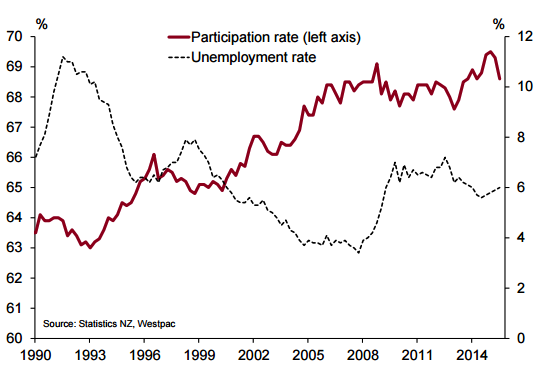
New Zealand's data was a softer than markets expected. After the data was released the NZD is seen dropping from 67.0c to 66.5c, while the 2-year swap rate fell 3 basis points.
The economy has lost momentum, with a slowdown in GDP growth and hiring. At the same time, both wage inflation and consumer price inflation remain low.
Looking ahead to 2016, New Zealand's economy will face significant headwinds from softening demand conditions offshore, drought conditions domestically, and the levelling off of the Canterbury rebuild.
"The New Zealand's economy is going to need a significant shot in the arm to get inflation back to 2% on a sustained basis. The labour market data reinforces the expectations that the RBNZ will continue cutting the OCR", says Westpac.

- News

- Economy

- Central Banks
- Investing
- Research
- Roundups
- Digital Currency
- Insights
- Technical Analysis
- Technology
- Business
- Law
- Health
- Nature
- Fintech
- Science
- Topic
- Opinions
- ©Econometrics LLC . All Rights Reserved.
RBNZ likely to ease further
Wednesday, November 4, 2015 4:12 AM UTC
Editor's Picks



- Market Data
Most Popular




