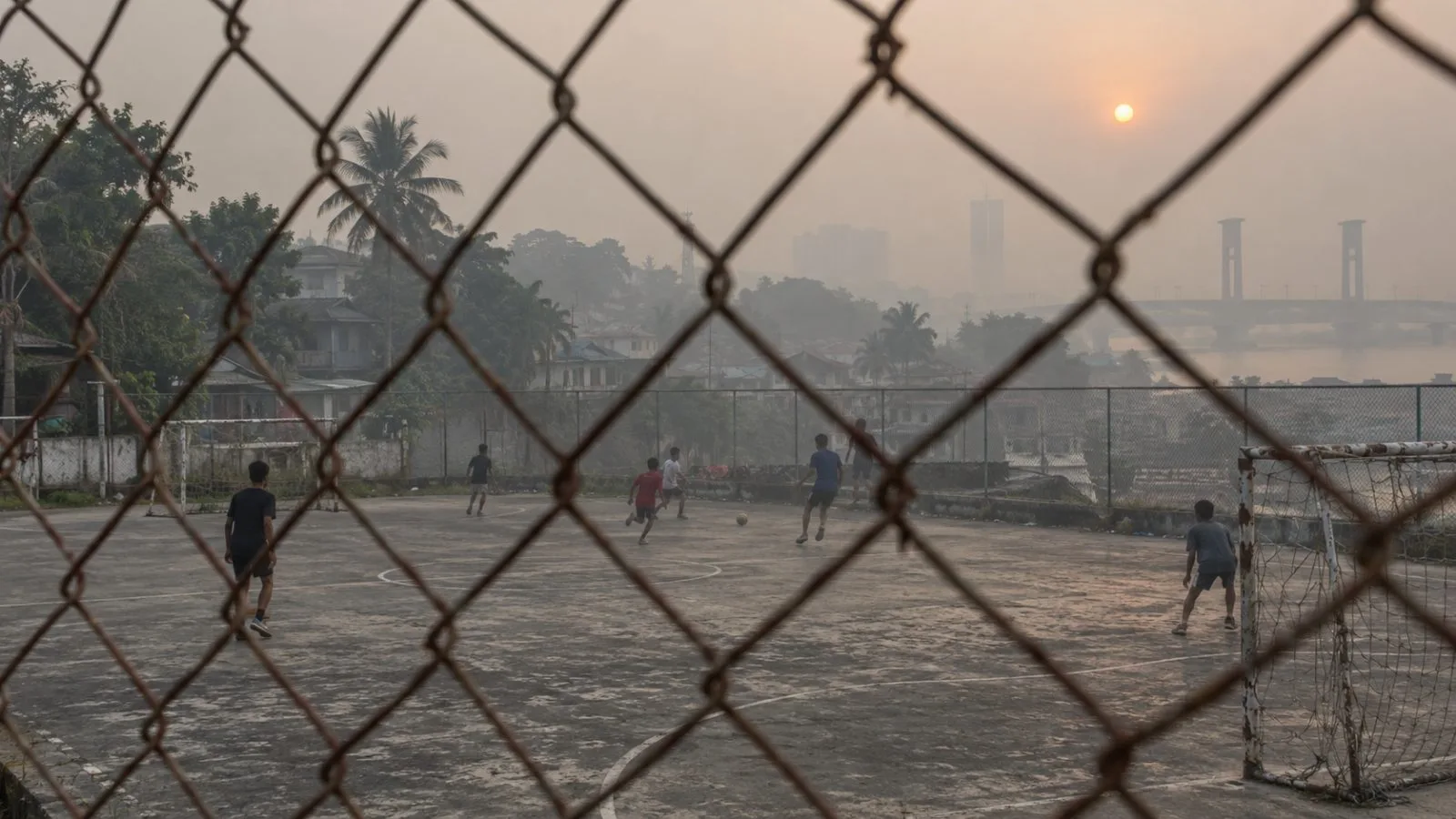
Rain has begun to lower PM2.5 concentrations in Palangkaraya after months of wildfires, easing a haze crisis that affected residents and sent smoke across national borders, AFP reported.
Medical services in the city treated more than 11,000 people for respiratory infections during the crisis, AFP said. Indonesia's environment ministry sets a threshold for hazardous pollution. Palangkaraya's air quality index reached 4,000 this month — a city record and more than 13 times that threshold, AFP reported.
Tri Handoko Seto, a BMKG official, told AFP that PM2.5 readings had started falling but remained unhealthy. A week earlier, readings had mostly been in the very unhealthy or hazardous categories, he said.
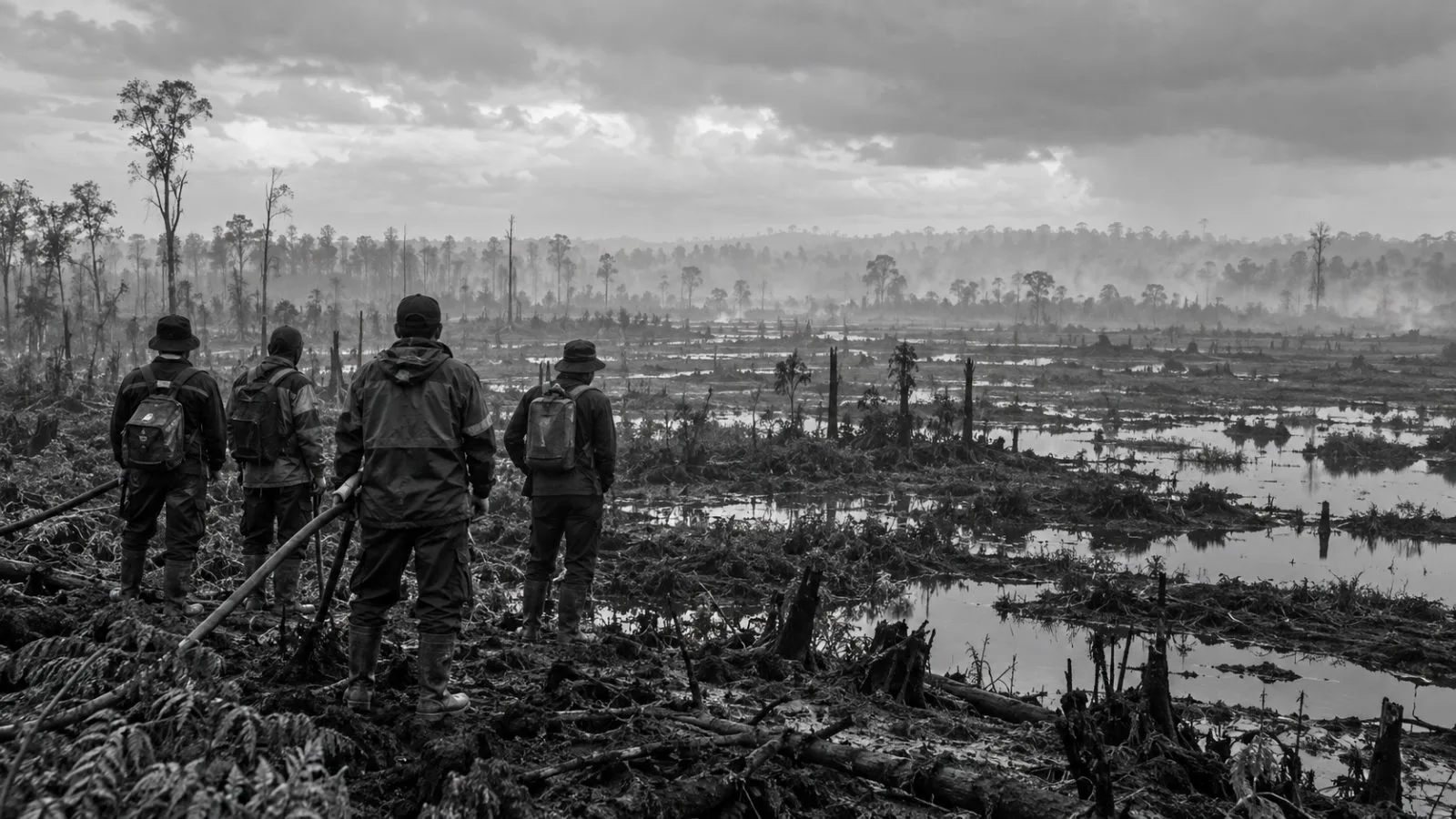
AFP reported that volunteer firefighters celebrated Wednesday night's rain around pools of water. Resident Muhammad Jihan Alwi, 23, told the agency that the clearer air let him return to jogging outdoors after a long break.
At least 11 people have died while fighting the fires, AFP reported. The latest fatality was a 45-year-old forest ranger in North Toraja, South Sulawesi, where a tree fell on him as he fought a blaze Wednesday. Asep Safrudin, the national police's top detective, said authorities had placed 245 individuals and 20 corporations on the suspect list. He said they could face prison terms and heavy fines.
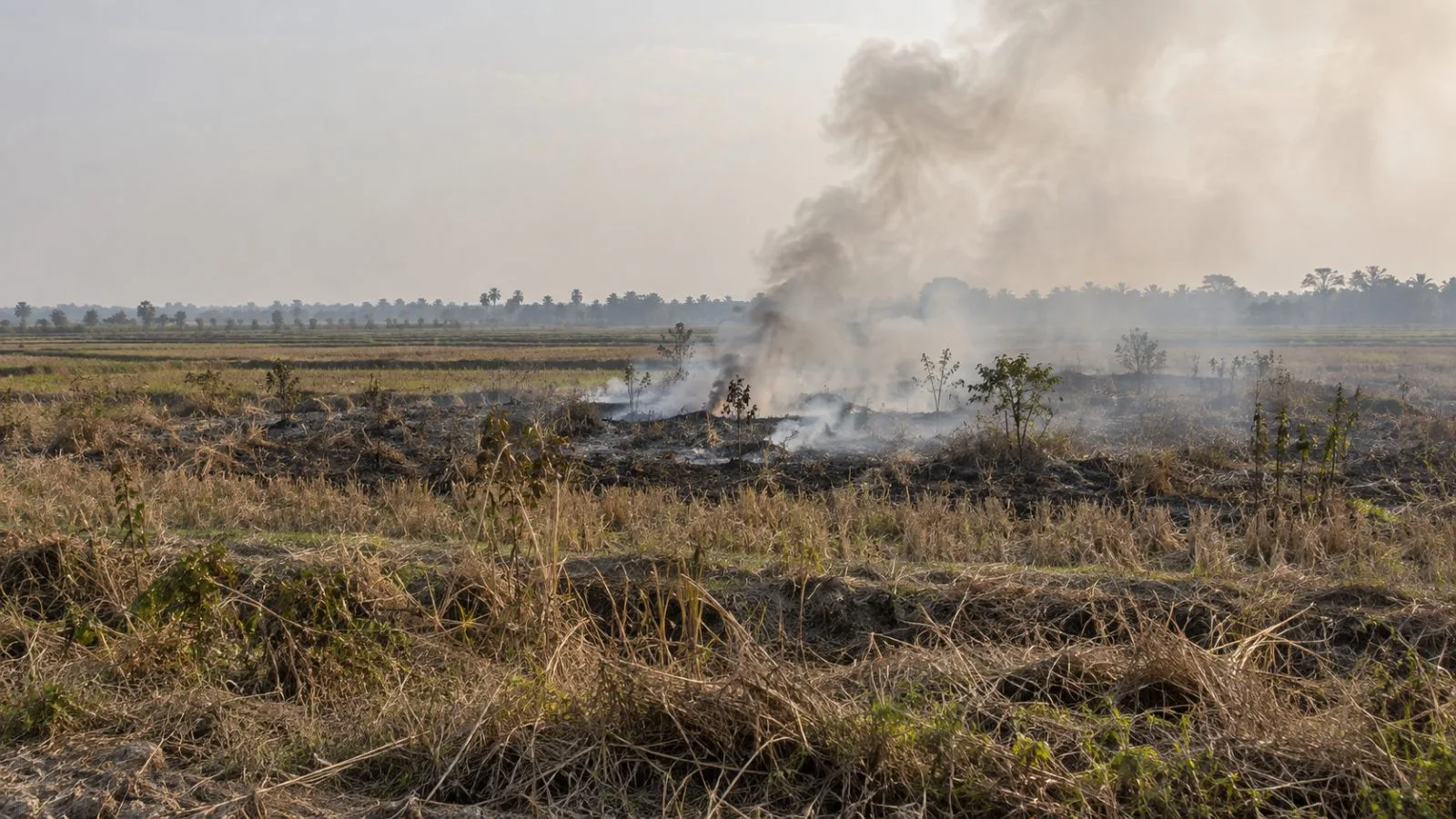
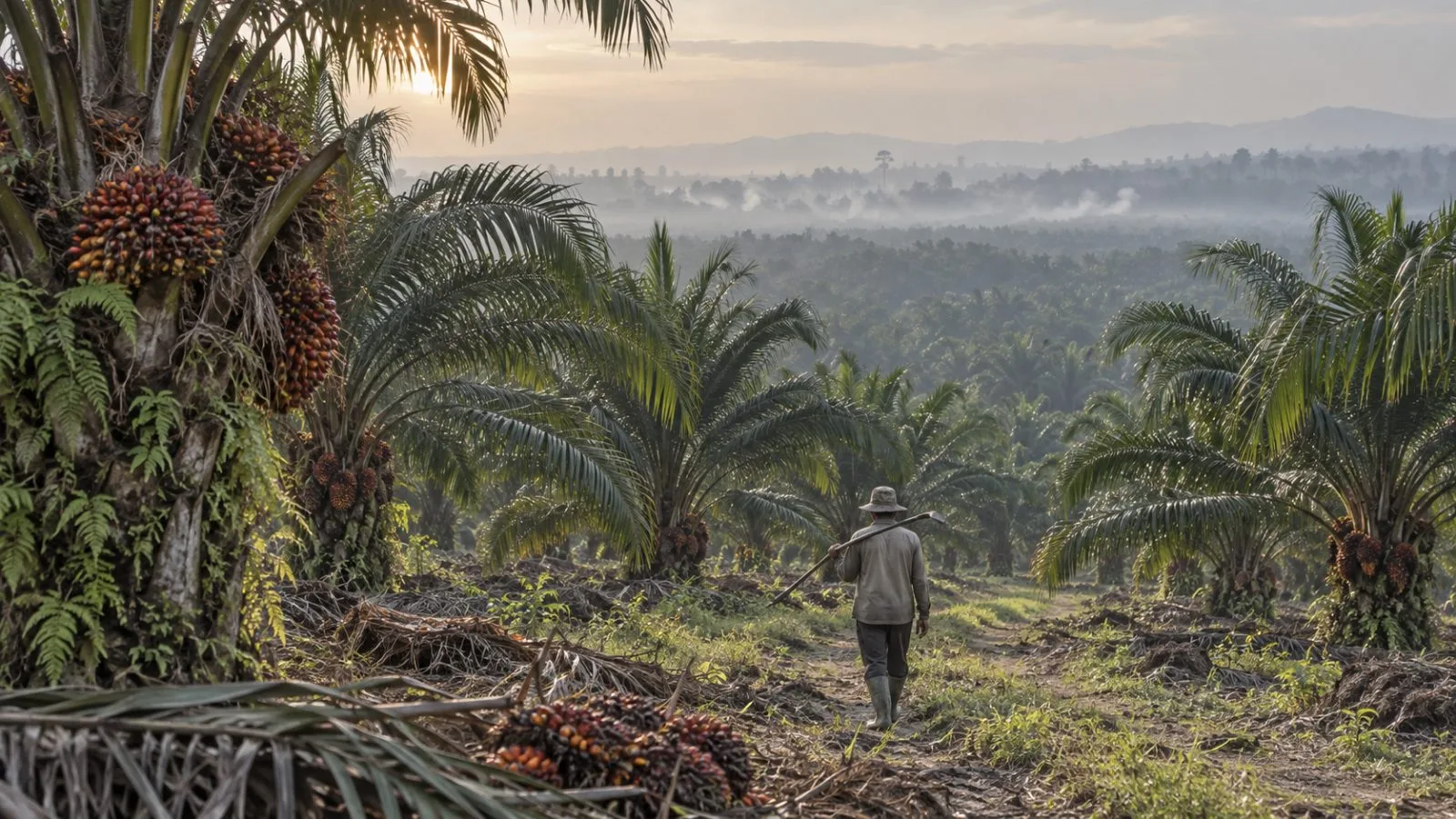
Nusantara Atlas, a deforestation monitor, estimated that more than 1.9 million hectares burned during the year's first nine months. Experts told AFP that using fire to clear land for timber, palm oil and mining operations was a major driver of the blazes. Haze reached Malaysia, Singapore, the Philippines and East Timor, AFP reported. Singapore's Restaurant Association warned that prolonged haze could leave eateries short-staffed, reduce outdoor service and disrupt deliveries, as earlier EconoTimes coverage reported.
Indonesia's disaster agency, BNPB, said cloud seeding had helped encourage recent rain in Central Kalimantan, South Kalimantan and South Sumatra. It said 61 planes and helicopters were involved in cloud-seeding and water-bombing efforts across six provinces. Seto said forecasts pointed to rain clouds over affected provinces and that seeding would continue. He cautioned that dry weather could return before the rainy season reaches its peak.