


 NASA and Roscosmos Chiefs Meet in Florida to Discuss Moon and ISS Cooperation
  GSR Commits $100M to Hare Onchain Credit Vaults
  Tabletop particle accelerator could transform medicine and materials science
  Wall Street Rises as Oil Prices Ease, Nasdaq Hits Record
  Blue Origin’s New Glenn Achieves Breakthrough Success With First NASA Mission
  Cogent Biosciences Soars 120% on Breakthrough Phase 3 Results for Bezuclastinib in GIST Treatment
  Asian Currencies Mixed as Yen Weakens, Dollar Holds Firm
  SpaceX Seeks $40 Billion for Nvidia AI Chips
  Gold Prices Fall as Stronger Dollar Weighs on Bullion
  Iran Tanker Attacks Surge as Hormuz Oil Flows Near Prewar Levels
  Blue Origin New Glenn Explosion Could Delay Launch Operations Until 2028
  Gate Launches Gate Money as Crypto Super App Race Heats Up
  AstraZeneca, Bristol Myers Squibb Explore Mega Merger Worth Nearly $400 Billion
  Is space worth the cost? Accounting experts say its value can’t be found in spreadsheets


 Add as a preferred source on Google
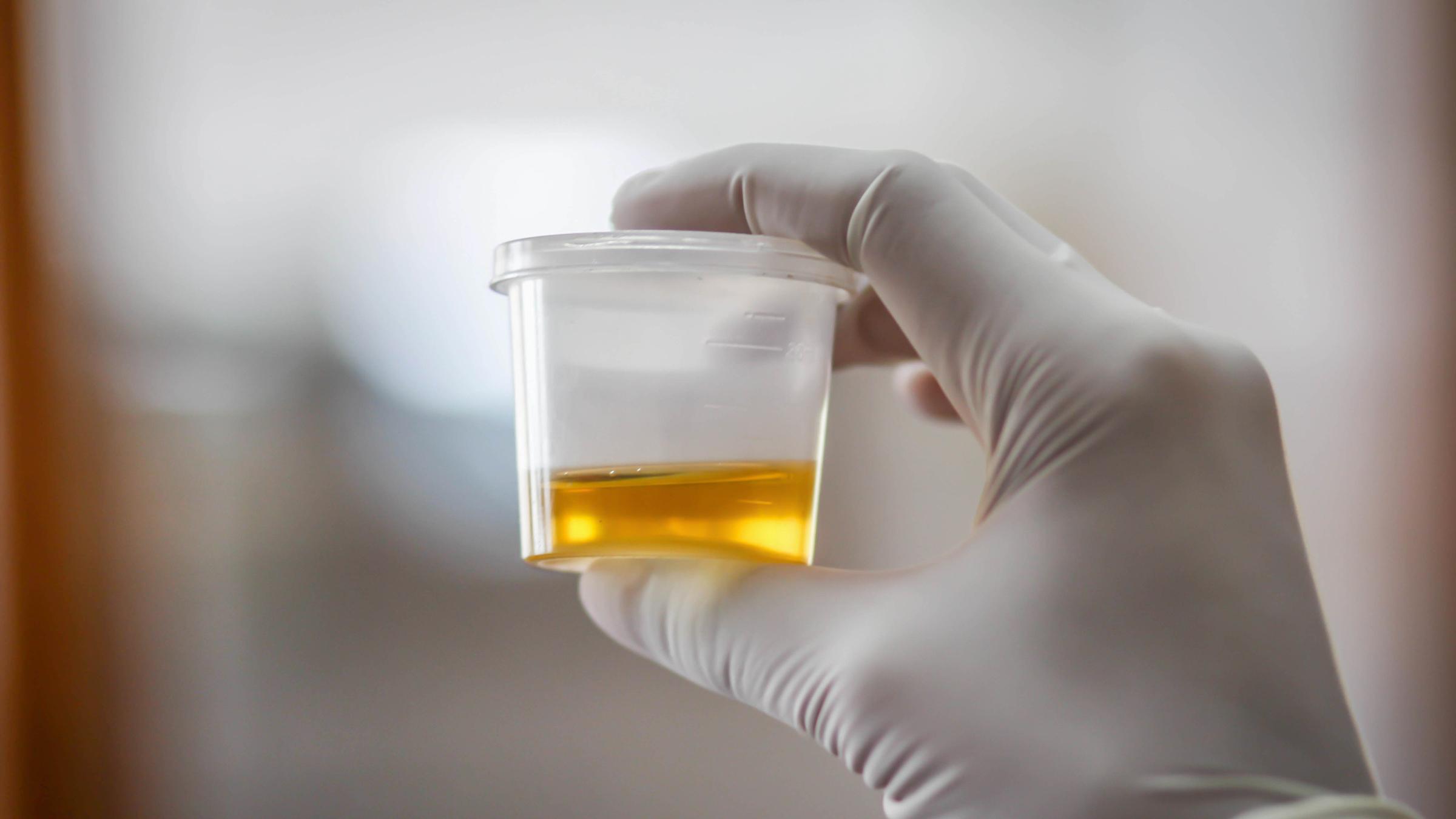
A South Korean research team has developed a strip-type urine test that successfully diagnoses prostate and pancreatic cancer on-site by amplifying the optical signal of the metabolome in urine.
The joint research team is from the Korea Institute of Materials Science, Pohang University of Science and Technology, and Kyung Hee University
The surface-enhanced Raman scattering sensor that they developed can amplify the optical signal of the metabolome in urine by more than 1 billion times by forming a coral reef-shaped plasmonic nanomaterial on top of porous paper material.
A light irradiation after a 10-microliter urine droplet amplified signal of cancer metabolome on the sensor’s surface without the need to go through a separate analysis process,.
The application of an artificial intelligence-based analytical method for the spectrum signal generated through the irradiation of light into the urine can identify people with prostate cancer and pancreatic cancer with an accuracy of up to 99 percent.







