A recent Reuters/Ipsos poll reveals deep divisions among Americans following a U.S. military strike in Venezuela that resulted in the capture and removal of President Nicolás Maduro. According to the survey, only one in three Americans approves of the military operation, while a significant 72% are concerned that the United States could become too deeply involved in the South American nation.
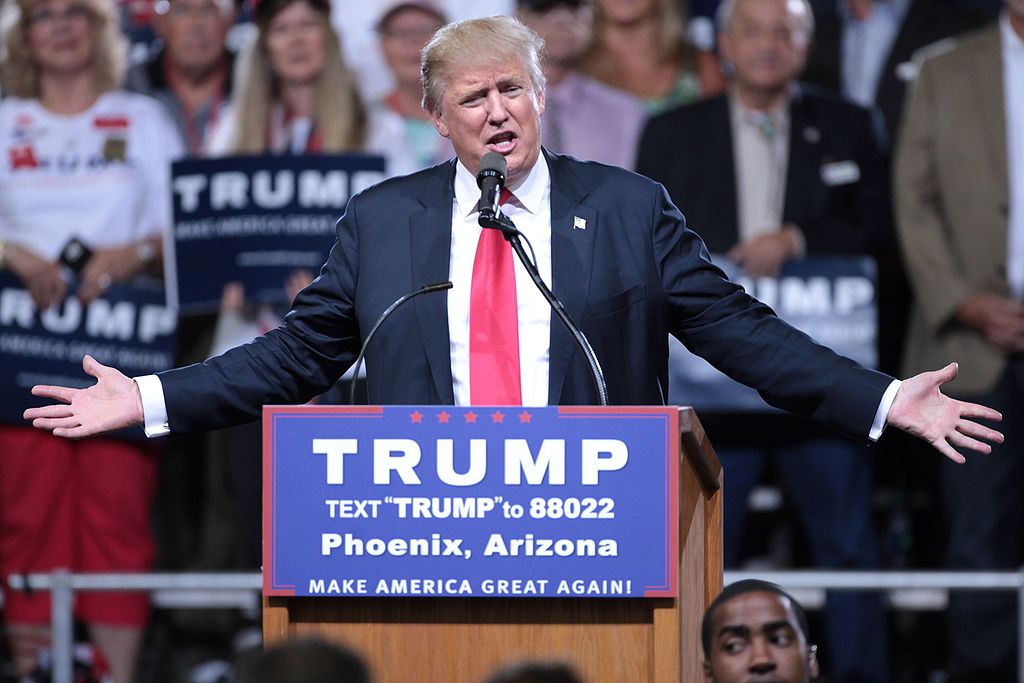
The two-day poll highlights a sharp partisan split. About 65% of Republicans expressed support for the military action ordered by President Donald Trump, compared with just 11% of Democrats and 23% of independents. U.S. forces carried out the raid in Caracas before dawn on Saturday, capturing Maduro and transferring him to U.S. federal authorities for prosecution on alleged drug trafficking charges. Following the operation, Trump stated that the United States would “run” Venezuela for an unspecified period, signaling a dramatic shift from his earlier criticism of prolonged foreign interventions.
The move surprised many voters, particularly as Trump had recently emphasized a focus on domestic economic issues ahead of the midterm elections that would decide control of Congress. Despite these concerns, the poll shows that many Republicans favor a more assertive foreign policy in the Western Hemisphere. Around 43% agreed that the U.S. should dominate regional affairs, and majorities supported sending troops to Venezuela and taking control of its oil fields.
However, support is tempered by concern. More than half of Republicans said they worry the U.S. could become too involved, while many also expressed fears about financial costs and risks to American military personnel. Overall, 64% of Republicans said they were concerned about potential dangers to U.S. troops.
The poll surveyed 1,248 adults nationwide and had a margin of error of approximately three percentage points. It also showed Trump’s approval rating rising to 42%, his highest since October. The findings underscore the complexity of public opinion on U.S. foreign policy, military intervention in Venezuela, and America’s role in regional geopolitics.