Lebanon has been pulled further into the growing Middle East conflict after Iran-backed Hezbollah launched missiles and drones toward Israel for the second consecutive day, prompting retaliatory Israeli airstrikes and military movements in southern Lebanon. The escalation follows broader tensions involving Israel, Iran, and the United States, raising fears of a wider regional war.
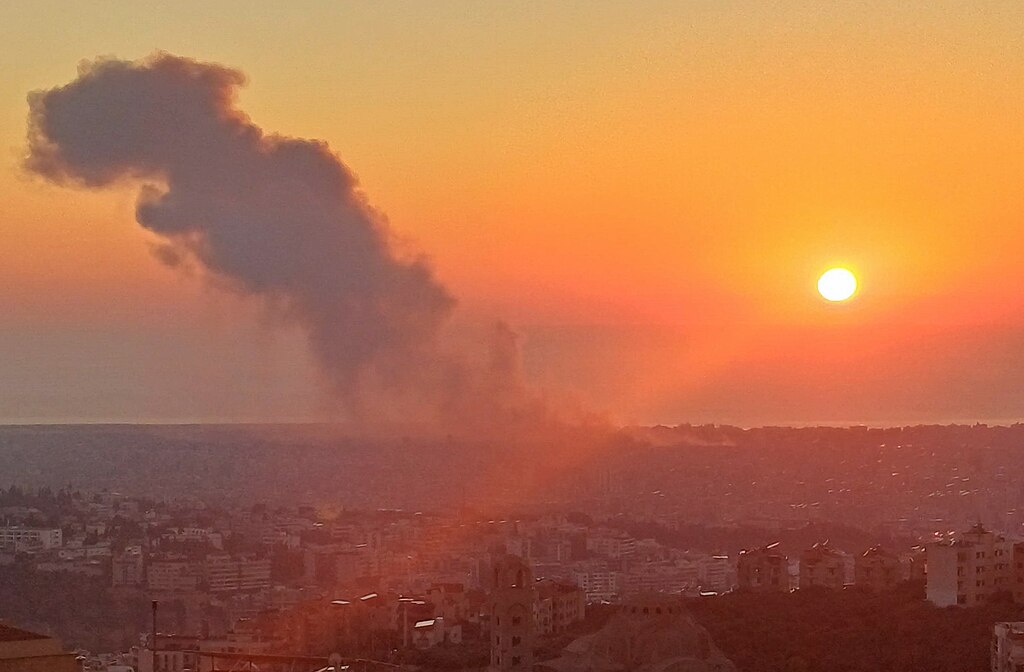
Hezbollah’s attacks triggered air raid sirens across northern Israel and as far south as Tel Aviv, the country’s main commercial hub. Israeli officials confirmed the projectiles were launched from Lebanon, although Hezbollah did not immediately claim responsibility for all of the attacks. In response, Israel intensified airstrikes on Hezbollah-linked positions, including command centers and weapons storage facilities in Beirut’s southern suburbs.
Israeli Defense Minister Israel Katz authorized the military to expand operations and secure additional strategic positions in southern Lebanon. Israeli troops have already maintained control over several hilltops in the region since the 2024 war with Hezbollah. Israeli military chief Eyal Zamir said operations would continue until Hezbollah disarms.
The escalation has caused widespread displacement along the Lebanon-Israel border. Thousands of Lebanese civilians have fled their homes as Israeli airstrikes targeted Hezbollah strongholds in southern Lebanon and Hezbollah-controlled districts of Beirut. According to the United Nations, more than 30,000 people, including around 9,000 children, have taken shelter in emergency facilities, with more civilians expected to follow.
Lebanon’s government has taken the unprecedented step of outlawing Hezbollah’s military activities, intensifying political divisions inside the country. The pro-Hezbollah newspaper Al-Akhbar criticized the decision, warning it could spark internal conflict or even a new civil war.
The Lebanese health ministry reported at least 40 deaths and more than 240 injuries from Israeli airstrikes since the latest escalation began. Meanwhile, Israel reported only one injury after a missile struck a house in northern Israel.
The Israeli military confirmed additional deployments along the Lebanese border, saying troops entered several areas temporarily to secure defensive positions. The United Nations Interim Force in Lebanon (UNIFIL) also reported dozens of rockets launched toward Israel during the two-day exchange.
Hezbollah stated that its attacks were carried out in response to continued Israeli strikes since the 2024 ceasefire and to avenge the killing of Iran’s supreme leader. The group also claimed responsibility for targeting military facilities in northern Israel with drones and missiles and said it had shot down an Israeli drone in southern Lebanon.
The situation remains volatile as Israel vows to intensify its operations against Hezbollah, while the Lebanese population faces growing humanitarian pressure from displacement and ongoing airstrikes. The conflict highlights the fragile security environment along the Israel-Lebanon border and the risk that localized clashes could evolve into a broader Middle East confrontation.