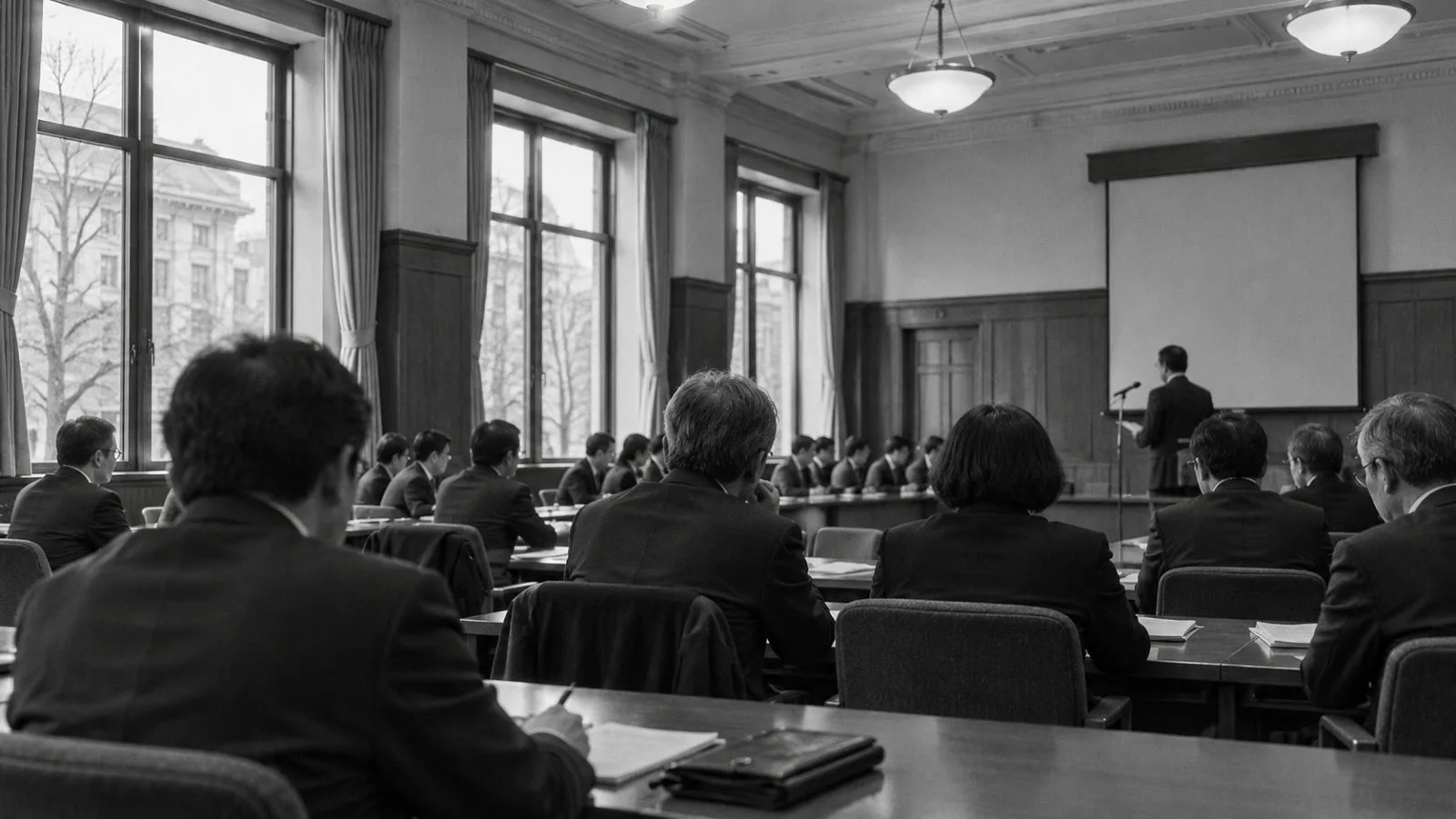
Bank of Japan (BOJ) Gov. Kazuo Ueda said artificial intelligence (AI) could help Japan cope with labor shortages, Reuters reported, connecting the technology to a major pressure on the country’s economy. Separately, Ueda cited survey results showing that over seven in 10 Japanese companies said their domestic investment activity was greater in 2023 and 2024 than in preceding years.
Ueda delivered the address at the International Monetary Fund’s (IMF) 2026 Michel Camdessus Central Banking Lecture on Nov. 6. The BOJ published the text the following day; EconoTimes covered the full lecture address when it was posted.
Reuters also reported that Ueda viewed rapid AI advances as a potential source of stronger demand in Japan. The report said he called for further study of the technology’s effects on supply.
In the BOJ speech, addressing labor shortages was the most common reason firms gave for increasing investment at home. Ueda said worker scarcity can encourage domestic investment and labor-saving automation. “It is only in recent years that acute labor scarcity has become a reality,” he said.
Ueda’s August 2025 remarks put the peak for Japan’s working-age population in 1995 and the peak for its overall population in 2008. He added that more women and older adults participating in the workforce had softened the effects of a shrinking working-age population.