


 Gold Prices Fall Amid Rate Jitters; Copper Steady as China Stimulus Eyed


 Add as a preferred source on Google
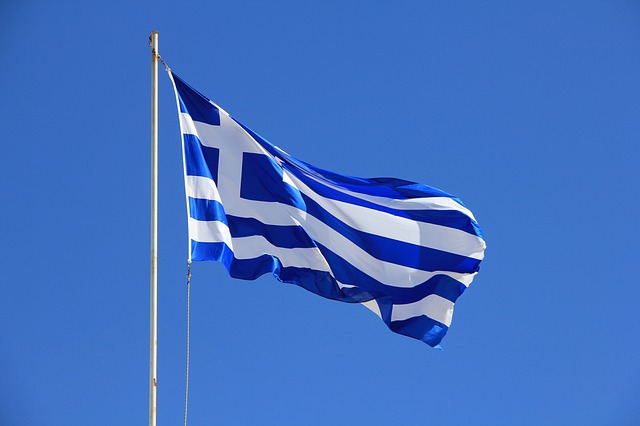
The situation in Greece remains very fluid. After 61% of the Greek population voted against accepting the institutions' latest proposal, Greek authorities have surprisingly submitted a set of new 'prior actions' very similar to those on the table before the referendum was unilaterally called. This week, Greek authorities have also submitted a three-year third bailout request to the ESM (estimated at c. €60bn).
While a short-term bridging solution may be found to avoid a default on the ECB, which would precipitate the country moving toward an exit, the recent U-turn made by key European policy makers (on OSI) and Greek authorities will have to extend beyond the very short term to avoid a Grexit, a scenario openly envisaged by euro leaders as recently as last Tuesday.
Furthermore, for a number of reasons, negotiations for the third bailout are likely to be tougher than before the referendum:
- 1) trust between the two parties was further eroded by the unilateral announcement of the referendum, where the Greek government explicitly supported the "No" campaign;
- 2) Greece's third bailout scope is much larger than the programme extension discussed at the time;
- 3) capital controls in place for the past two weeks (and likely to stay in place for some time) have likely further affected economic activity, implying further fiscal effort required to close the fiscal gap.
Furthermore, the discussion about the macroeconomic projections is likely to be heated, albeit crucial to setting and calibrating fiscal targets. Finally, program execution will be no cakewalk; hence, the risk of Grexit remains elevated beyond the short term.







