


 Robinhood Chain Eyes Priority Gas Auctions for Faster Trades
  US Suspends Microsoft, Adobe From Green Card Program
  OpenAI Revenue Hits $50 Billion, Below Earlier $70 Billion Estimate
  Tencent Shares Fall as $5 Billion AI Bond Sale Weighed
  Samsung, SK Hynix Shares Fall as China's CXMT Advances DRAM Technology
  TSMC Q3 Revenue Beats Estimates as AI Chip Demand Surges
  Samsung, SK Hynix Shares Plunge as China Chip Competition Grows
  Amazon Cuts More Jobs as AI Investment Expands
  Epic Games Delays Disney Shooter, Shifts to AI-First Development
  Zcash Plans Quantum-Resistant Security Upgrade for January
  Apple Names Steve Smith M&A Chief in Leadership Shakeup
  Apple Supplier Luxshare Faces US Patent Probe, Sees Limited Impact
  Anthropic Launches Claude Dashboards and Motion AI Tools
  Nvidia’s China AI Chip Market Share Falls to 34% as Huawei Gains Ground
  Oracle Uses Trucked Natural Gas to Power AI Data Centers Amid Pipeline Delays
  Elon Musk Eyes Semiconductor Manufacturing Expansion With $15 Billion Terrafab Project


 Add as a preferred source on Google
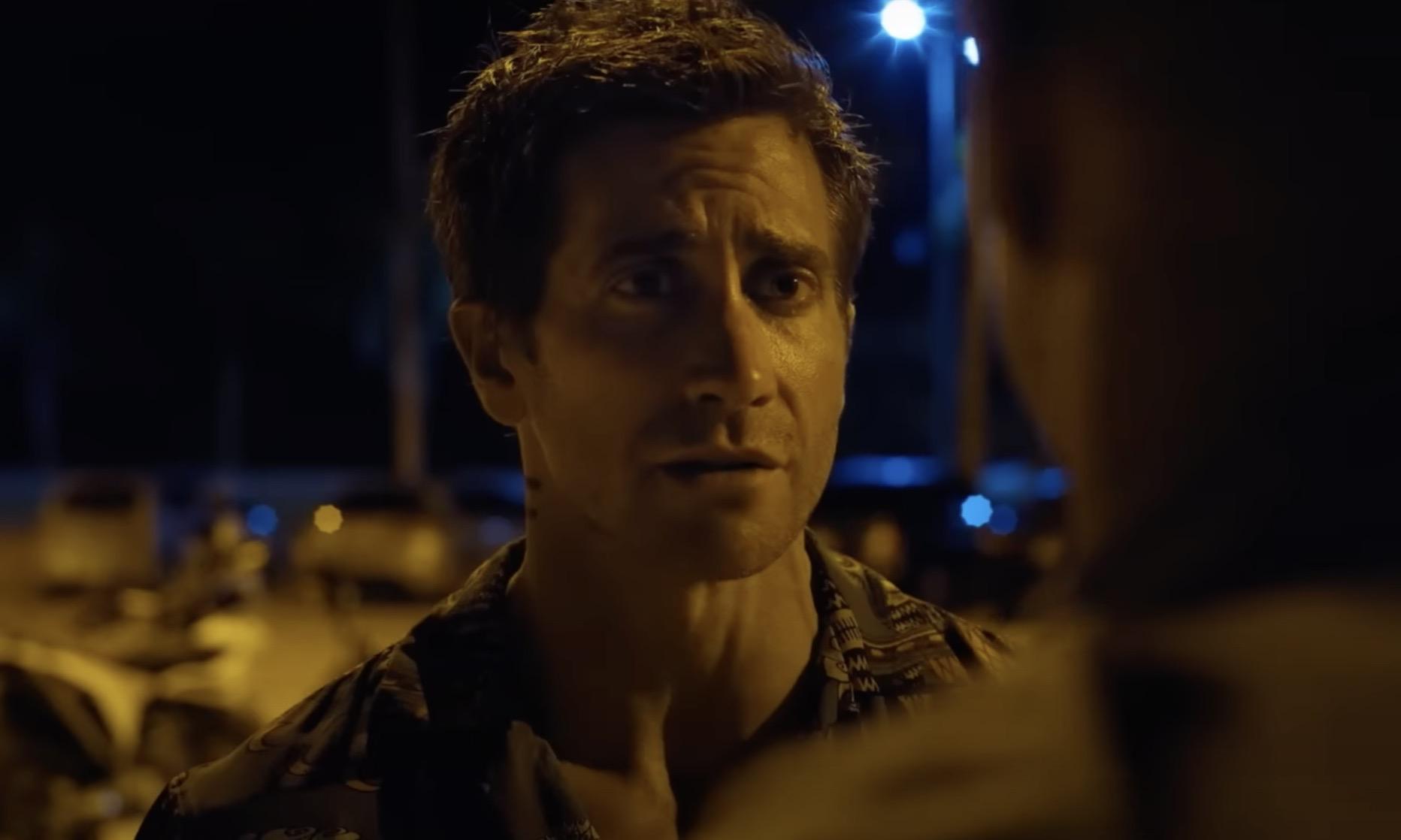
The 1989 action film "Road House" screenwriter sues MGM Studios and its owner, Amazon Studios, alleging copyright infringement regarding the forthcoming remake.
According to the Los Angeles Times and The Hollywood Reporter, the lawsuit, which was filed in the U.S. Central District Court in Los Angeles on Tuesday, additionally asserts that Amazon Studios utilized generative AI to duplicate the voices of actors for the "Road House" remake during the Hollywood strikes of the previous year, which substantially halted film production.
Copyright Clash: The Battle Over 'Road House' Rights and AI Technology Use
Screenwriter R. Lance Hill allegedly claims to have petitioned the US Copyright Office in November 2021 to reclaim the rights to the screenplay--on which the original "Road House" and Amazon Studios reboots are based--in the complaint. Due to the tech giant's acquisition of MGM's film library, Amazon would have owned the rights to "Road House." However, the tech giant's claim on the work was scheduled to expire in November 2023.
However, THR reports that Hill's initial agreement with United Artists, which acquired the screenwriting rights for the 1986 film before its acquisition by MGM Studios, is classified as a "work-made-for-hire." As per the U.S Copyright Office, the phrase signifies that the entity that engaged the services of an individual to produce a work also retains ownership and copyright protection over said work.
According to Hill, the work-for-hire clause was excessive, and Amazon disregarded his copyright assertions while hastening the remake's production, employing "extreme measures," including generative AI. The lawsuit requests a court order prohibiting the film's distribution, which is scheduled to premiere on March 21st on Prime Video and debut on the opening night of SXSW.
Amazon Counters Lawsuit Claims, Denies AI Voice Duplication in 'Road House' Remake
In statements to The Verge, Amazon MGM Studios unequivocally denied using artificial intelligence to replicate or substitute actors' voices. A spokesperson for the company, Jenna Klein, informed that "the studio expressly instructed the filmmakers to NOT use AI in this movie."
"If at any time AI was utilized, it would have been by the filmmakers (while editing early cuts of the film) and not the studio as they controlled the editorial," Klein wrote. Additionally, the filmmakers were directed to eliminate any "AI or non-SAG AFTRA actors" before filming.
In addition, Amazon stated that "many allegations" in the litigation are "completely unfounded" and that the company does not believe the "Road House" copyright has expired.







