Group of 20 (G20) foreign ministers ended talks in Atlanta on Saturday, Oct. 31, sharing concern over food-security risks but lacking an agreed response as attacks on sea lanes impeded key supplies.
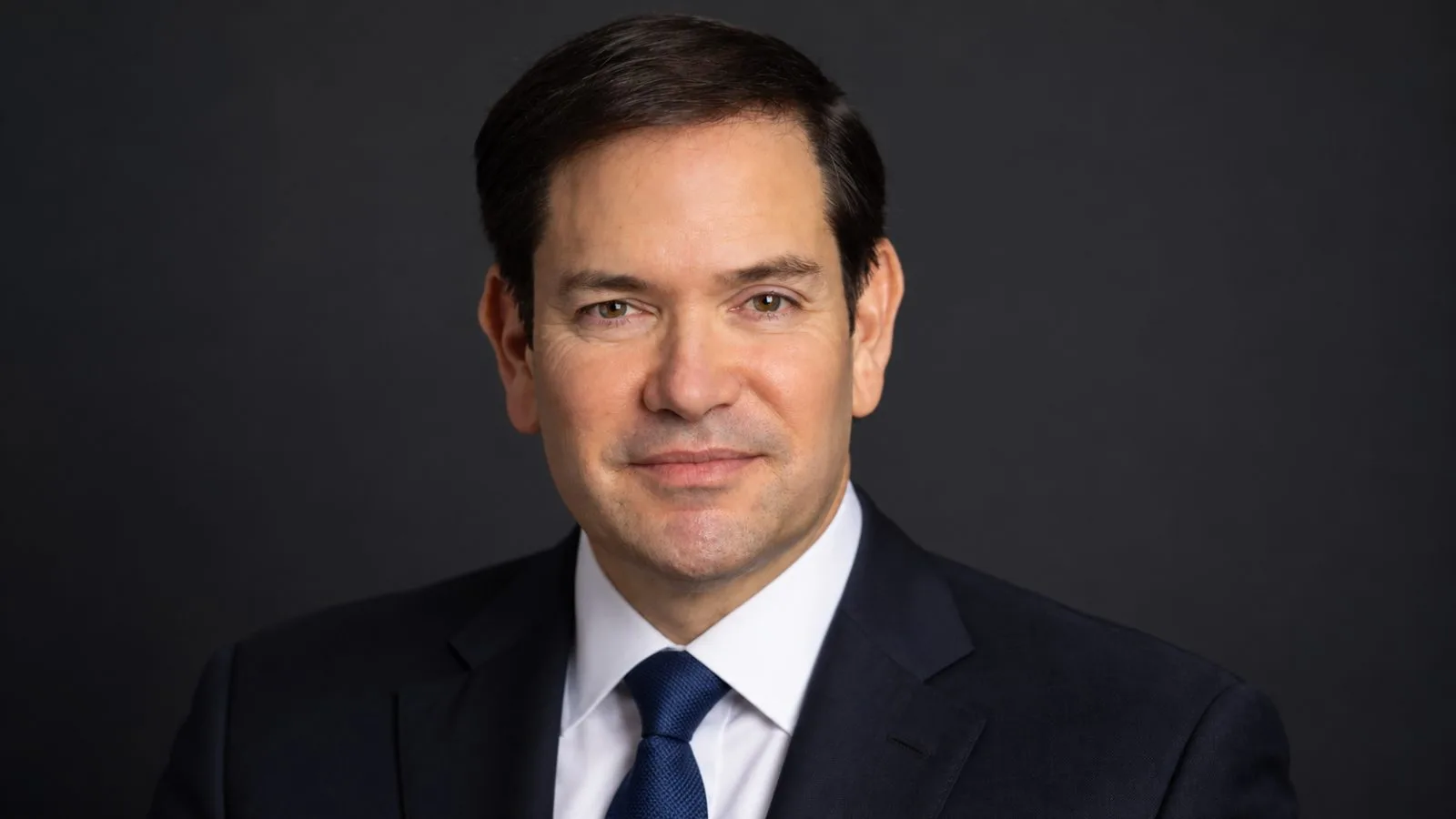
Secretary of State Marco Rubio said members recognized the seriousness of the problem but had not agreed on remedies. He linked food-security risks to maritime attacks that have left energy, fertilizer and agricultural products unable to reach their destinations. “I cannot say we are aligned on how to solve it,” Rubio told reporters.
The U.S. G20 presidency’s chair statement urged countries to keep food and agricultural trade from becoming a means of “economic or political coercion.” It also called for “secure, resilient and uninterrupted energy flows,” along with safe navigation through waterways.
The talks were complicated by the wars in Iran and Ukraine, AFP reported. The agency tied rising global energy prices to Tehran’s blockade of the Strait of Hormuz, imposed in retaliation for U.S. and Israeli strikes earlier this year. High energy prices were a key voter concern ahead of U.S. midterm elections, AFP reported.
European officials sought to press Moscow toward a ceasefire in the Black Sea, which serves as an agricultural export route, AFP reported. Rubio told reporters that international interest in a deal was growing, but said it would address only one part of the war.
The Associated Press reported that several security issues remained unresolved as the meeting ended. EconoTimes covered the lack of agreement in its earlier account of the talks.
The Group of 20 includes China, France, Germany, India, Japan and Russia among its members. The Atlanta gathering was the final high-level meeting before leaders meet in Miami in mid-December at President Donald Trump’s Doral resort, AFP reported.