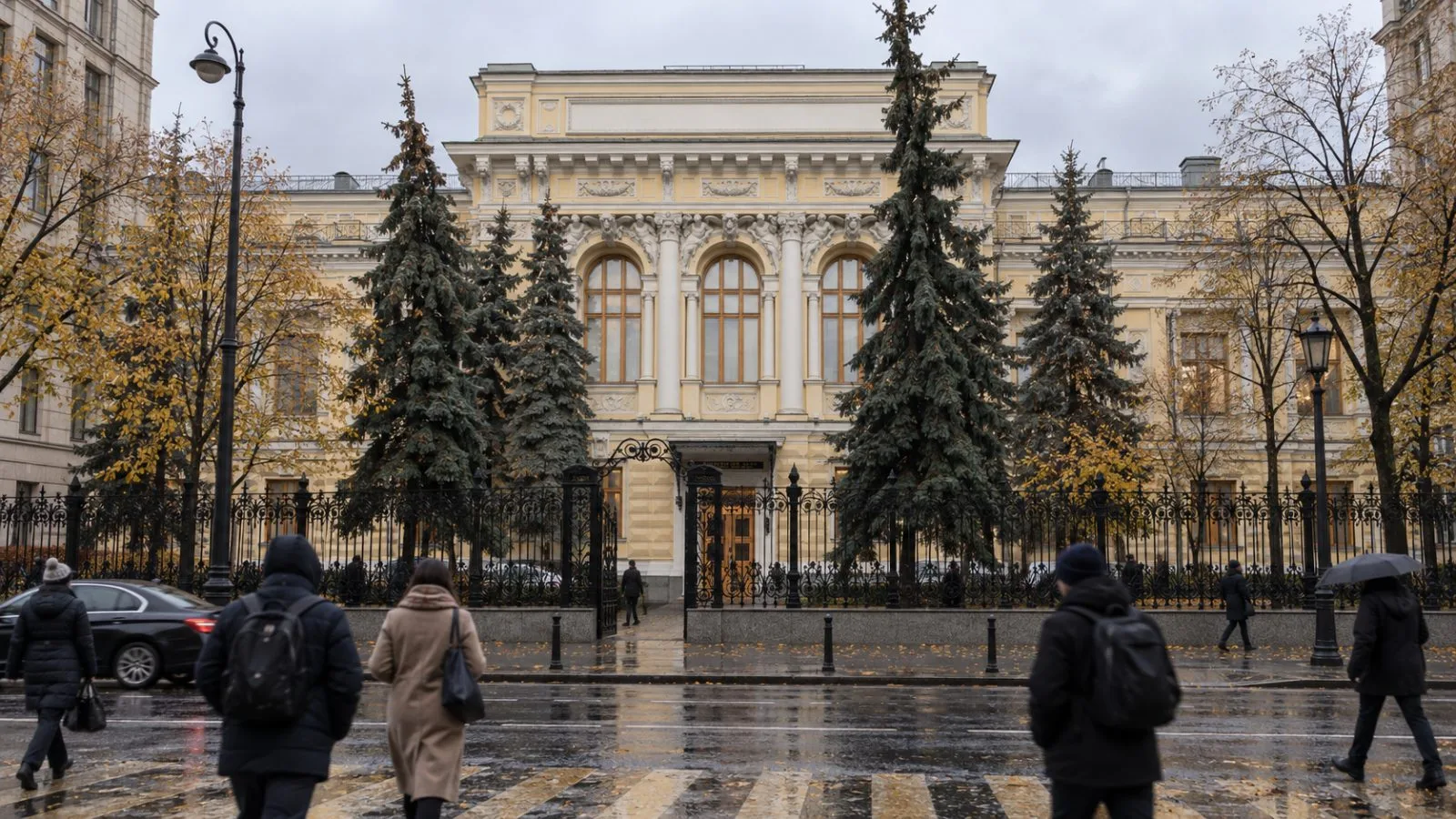
Starting July 1, 2027, residents who do not organize digital-currency circulation must conduct covered transactions through or with market organizers, the Bank of Russia says.
Federal Law No. 282-FZ generally took effect Sept. 1, 2026, but Article 30’s intermediary rule starts July 1, 2027. The Bank’s guidance identifies licensed brokers and registered crypto exchange companies as market organizers; direct trades between individuals are not among the permitted exceptions.
Some wallet restrictions are already in force. The Bank says individuals cannot move digital currency from a digital account to their own noncustodial wallet. It also bars transfers between individuals through addresses managed by a digital depository.
Russia prohibits cryptocurrency payments for goods and services inside the country. The Bank says exporters and importers may use cryptocurrency for cross-border payments.
In an Aug. 11, 2026, explanation, the Bank said all investors must pass a test; its draft instruction would limit non-qualified investors to a list of the most liquid cryptocurrencies and cap annual purchases at 300,000 rubles per intermediary. Qualified investors would face no purchase amount cap under the proposal. The Bank said it would restrict the eligible list to reduce non-qualified investors’ exposure to abrupt crypto price movements. Its market page lists Instruction No. 7441-U as under Ministry of Justice registration.
The Bank of Russia’s register lists Sberbank as authorized to operate a crypto exchange. Sberbank has said it plans to offer trading through its app in December, as detailed in EconoTimes’ earlier coverage of the plan.
Organizations admitted under transition provisions have a separate deadline. The Bank’s Oct. 6 announcement gives them until Sept. 1, 2027, to bring their operations into compliance.