The Ukrainian ambassador to Israel said that an Israeli-designed missile detection system is being tested in Kyiv and is set to be activated in two months. The missile alert system would give Ukrainians some time to take cover from Russian missiles that have been bombarding Ukraine and reducing its towns and cities to rubble.
On Thursday, the Ukrainian ambassador to Israel, Yevgen Korniychiuk, said the Israeli-designed system is being tested in Kyiv and is being supplied with data from Ukrainian radars. Korniychiuk added that when complete, the system will inform residents of areas that would be struck by Russian missiles or drones by either sirens or mobile phone alerts.
“It allows for identifying the different objects including ballistic missiles and calculates where they will go and basically that allows us to close certain parts of the country rather than the whole country,” Korniychiuk told Reuters, referring to the air-shelter orders that would be issued when under a missile or drone attack.
“Some residents will be told on their phones how much time they have to jump into their shelter while in other parts of Kyiv people will be able to sit and have coffee,” said Korniychiuk.
Korniychiuk added that the system would also provide more precise alerts that would sound alarms in individual neighborhoods that are under threat. The Ukrainian envoy to Israel said the system would allow Kyiv to close in parts rather than as a whole.
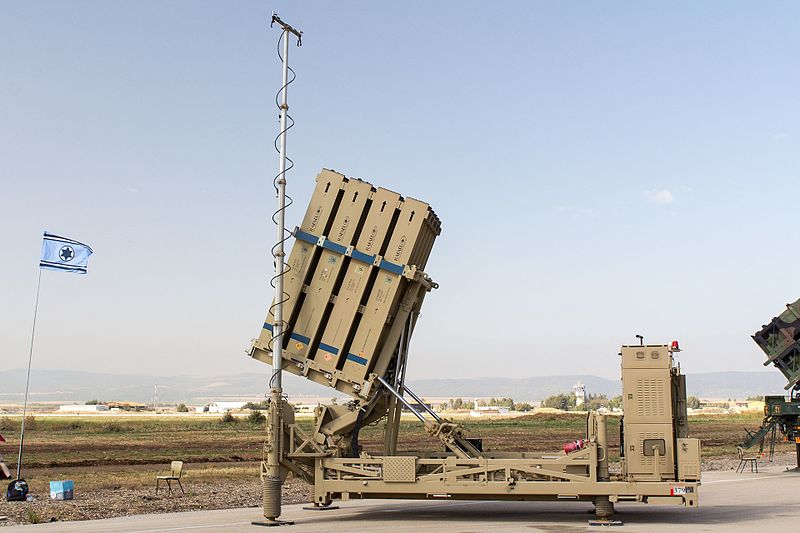
Last year, Israel agreed to share technologies with Ukraine despite putting off Kyiv’s requests for military assistance. One such request was the Iron Dome, which Israel uses to intercept rockets fired from Gaza by Palestinian militants.
Meanwhile, the British defense ministry, in its intelligence bulletin on Friday, said that an increase in Russian rail accidents in the border regions was likely the work of unknown saboteurs and has also likely resulted in short-term “localized disruption to Russian military rail movements.”
The ministry added that while Moscow’s Railway Troop Brigades are able to restore lines immediately, the recent incidents would only put more pressure on Russia’s internal security forces, which may be unable to fully protect Russia’s rail networks from a potential attack.