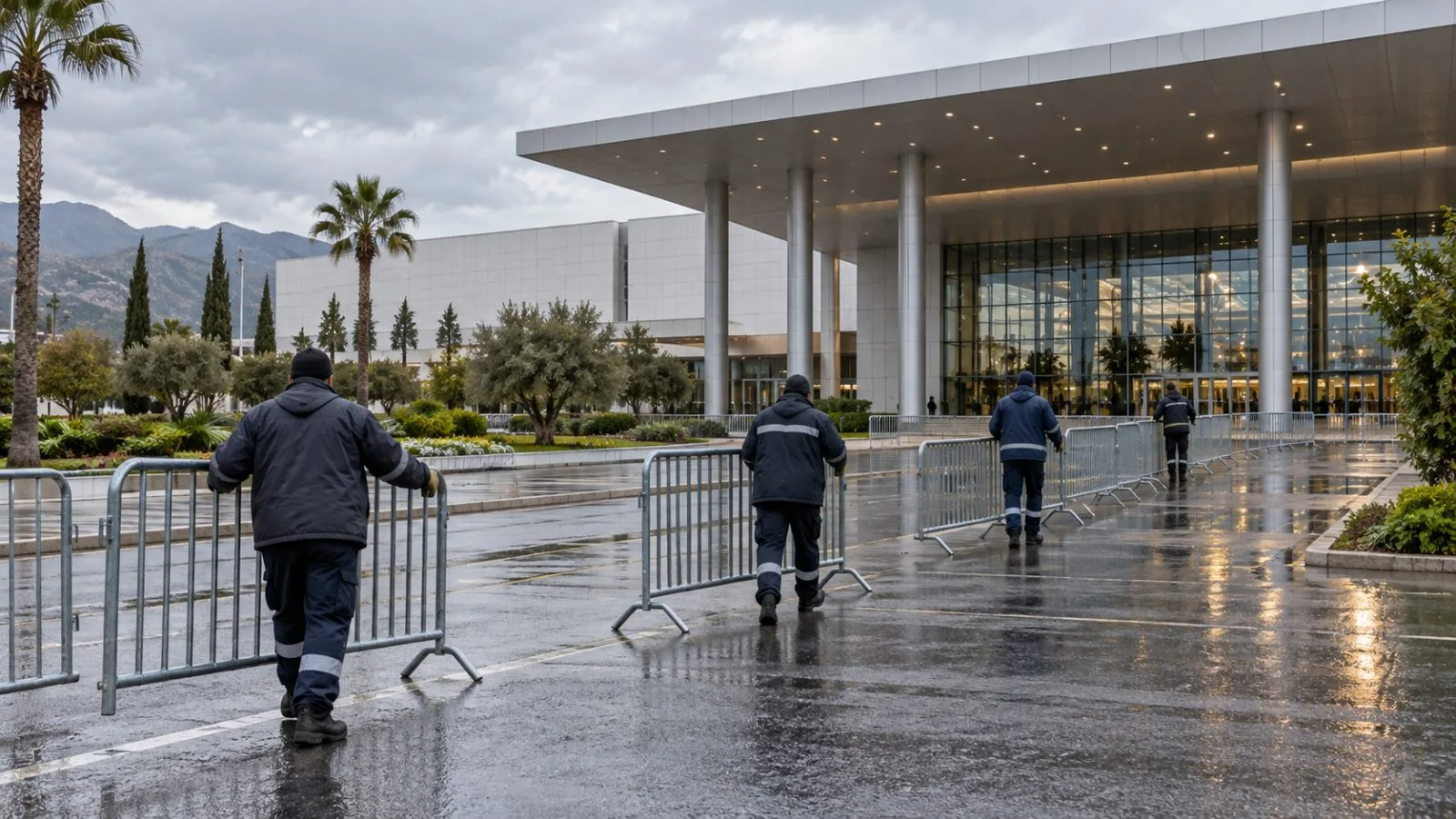
A revised COP31 draft published Nov. 19 removes fossil-fuel language found in an earlier version, leaving the issue open as countries work toward a consensus agreement before the summit’s scheduled Nov. 20 close in Antalya, Türkiye.
The United Nations Framework Convention on Climate Change (UNFCCC) issued the document as an unedited draft. Its Nov. 16 version included proposals to phase out fossil fuels and transition away from them; the Nov. 19 text does not state why that language was omitted.
The new draft proposes that electricity account for 35% of global total final energy consumption by 2035. It also proposes tripling renewable-energy capacity and doubling the worldwide average annual rate of energy-efficiency gains by 2030. The electricity target does not specify that the power must come from renewable sources.
The proposals are still under negotiation, and any final outcome requires agreement among the parties. The draft says 167 parties had submitted new nationally determined contributions as of Nov. 18.
At a Nov. 16 press conference, Australia’s Minister for Climate Change and Energy Chris Bowen said the earlier draft reflected proposals from parties rather than the presidency’s preferred result. “If elements in here don't get consensus support, they won't be in the final,” Bowen said. He also pointed to the 2023 COP28 agreement to transition away from fossil fuels in energy systems.
Outside the negotiations, Finland’s government said it published a national roadmap Nov. 11 as a contribution to the Santa Marta Process, which involves 57 countries. COP31 is scheduled to conclude Nov. 20, with the final text and the status of fossil-fuel language still to be decided.