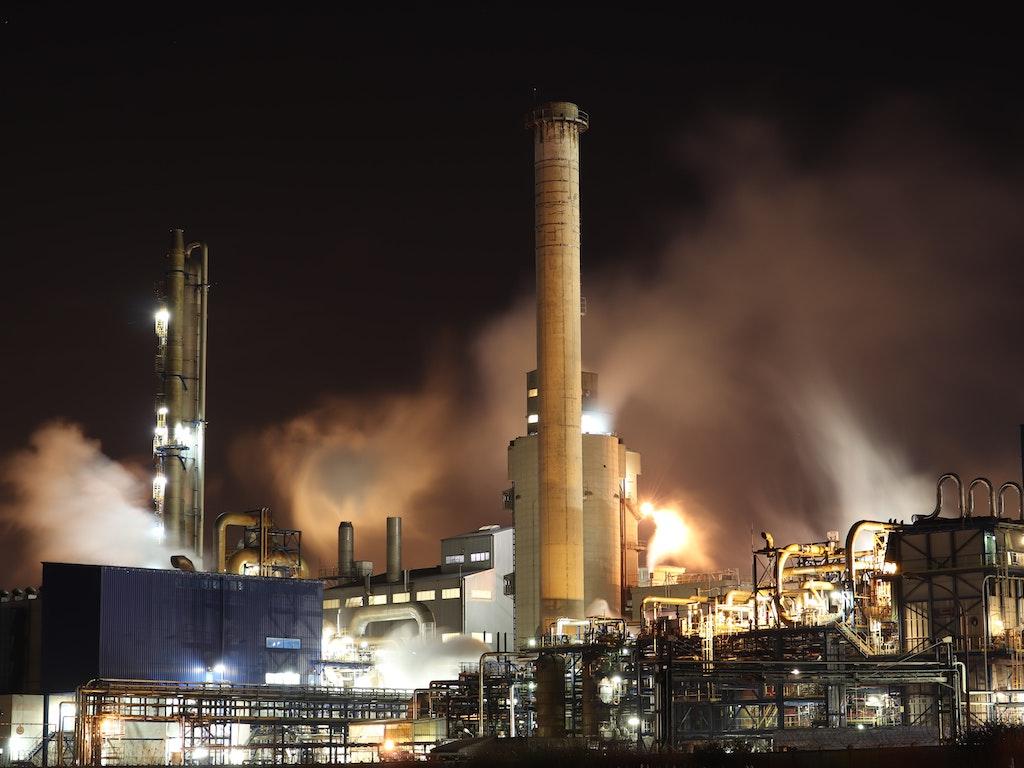
South Korea will refrain from investing in overseas coal projects using public funds beginning October, in line with the global initiatives to go carbon neutral by 2050.
According to the Ministry of Trade, Industry, and Energy, the public funds include all types of tax-backed support, including official development assistance, export finances, and investment.
A guideline to be implemented next month mandates all public organizations to withhold disbursing funds to overseas coal power plants, while government-funded private businesses will also be persuaded to follow the measure.
However, South Korea will maintain the continuity of existing projects with partner countries in observance of economic and diplomatic ties.
South Korea said it will also actively participate in the global discussions to cut the use of fossil fuels, including those from the Organization for Economic Cooperation and Development, aiming to apply stricter measures to local coal plants.


How is Antarctica melting, exactly? Crucial details are beginning to come into focus
Thousands of satellites are due to burn up in the atmosphere every year – damaging the ozone layer and changing the climate
Gold Prices Rise Amid Geopolitical Tensions and Safe Haven Demand
Bank of Japan Unveils New Inflation Gauge to Support Case for Future Rate Hikes
How the war in Iran is already affecting UK farmers and food production
U.S. Stock Futures Steady as Iran Reviews U.S. Ceasefire Proposal
Google's TurboQuant Sends South Korean Chip Stocks Tumbling Amid AI Memory Demand Fears
Oil Prices Surge Past $100 as U.S.-Iran Peace Hopes Collapse
Ukraine minerals deal: the idea that natural resource extraction can build peace has been around for decades
Japan Eyes Oil Futures Intervention to Stabilize Yen Amid Middle East Crisis
Wildfires ignite infection risks, by weakening the body’s immune defences and spreading bugs in smoke
The UK is surprisingly short of water – but more reservoirs aren’t the answer
Gold Prices Drop Amid Iran Peace Talk Uncertainty and Stronger Dollar
We combed through old botanical surveys to track how plants on Australia’s islands are changing 


