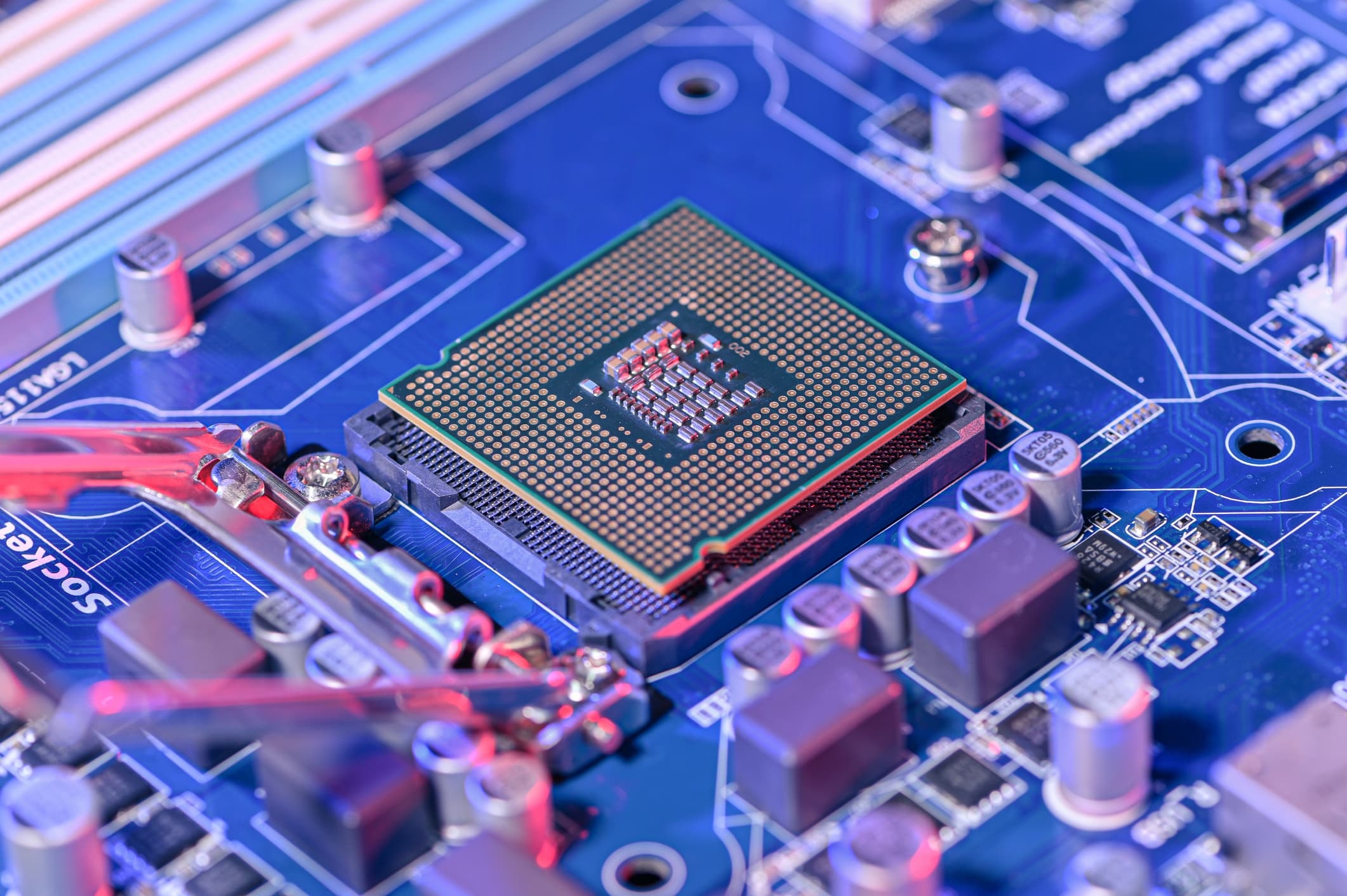
South Korea plans to invest over 200 billion won in developing automotive chip-making technology by 2022 and cooperate with local automakers to ease a current supply shortage of automotive chips.
The country may allow state-run banks to offer loans with lower rates if companies seek to expand automotive chips-related foundry business.
Finance Minister Hong Nam-ki said it is urgent to ease a short-term supply shortage of such chips that may last until the third quarter, enhance supply channels and preempt the market.
According to Hong, the focus of investment would be in developing automotive application processors and other key auto chip-making technologies.
Non-memory chip, bio-health, and next-generation vehicle sectors are the three industries that South Korea seeks to nurture for job creation and innovation-driven growth.
South Korea is simplifying customs procedures for automotive chips to address the global shortage and plans to exempt from the mandatory two-week quarantine of those who travel abroad to secure the chips.
While South Korea is the world’s leading memory chip exporter, 98 percent of automotive chips are from overseas.
The country vowed to expand cooperation with overseas partners, such as those from Taiwan.


Taiwan Issues Arrest Warrant for OnePlus CEO Over Alleged Illegal Recruitment Activities
California Attorney General Orders xAI to Halt Illegal Grok Deepfake Imagery
Federal Judge Clears Way for Jury Trial in Elon Musk’s Fraud Lawsuit Against OpenAI and Microsoft
BYD Shares Rise in Hong Kong on Reports of Battery Supply Talks With Ford
Jamie Dimon Signals Possible Five More Years as JPMorgan CEO Amid Ongoing Succession Speculation
Boeing Reaches Tentative Settlement With Canadian Victim’s Family in 737 MAX Crash Lawsuits
One Percent Rule Checklist For Safer Forex Trading Risk
Google Seeks Delay on Data-Sharing Order as It Appeals Landmark Antitrust Ruling
Sanofi Gains China Approval for Myqorzo and Redemplo, Strengthening Rare Disease Portfolio
Walmart International CEO Kathryn McLay to Step Down After Two and a Half Years
White House Pressures PJM to Act as Data Center Energy Demand Threatens Grid Reliability
China Halts Shipments of Nvidia H200 AI Chips, Forcing Suppliers to Pause Production
U.S. Transportation Board Sends Union Pacific–Norfolk Southern Merger Back for Revision
China’s AI Models Narrow the Gap With the West, Says Google DeepMind CEO
TikTok Expands AI Age-Detection Technology Across Europe Amid Rising Regulatory Pressure
U.S. Lawmakers Raise Alarm Over Trump Approval of Nvidia AI Chip Sales to China 


