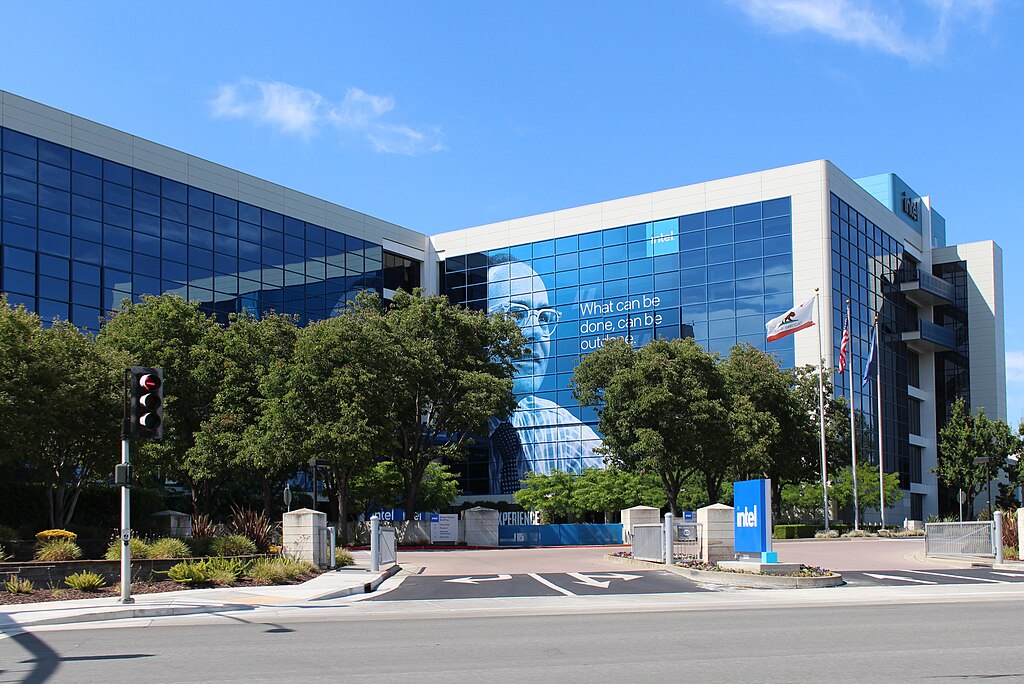
SK Hynix is reportedly in discussions with Intel over a potential agreement to manufacture memory chips in the United States, a move that would mark the South Korean semiconductor giant’s first U.S.-based memory production.
According to Reuters, citing people familiar with the talks, one proposal involves SK Hynix leasing part of Intel’s planned semiconductor manufacturing facility in Ohio. Another option could establish a joint venture involving SK Hynix, Intel and major cloud computing companies seeking more reliable memory-chip supplies.
SK Hynix confirmed it is evaluating ways to expand production capacity but stressed that no final decision has been reached. Intel has not publicly commented on the reported negotiations.
SK Hynix shares climbed 2.7% to 1,735,000 won following the report, outperforming the KOSPI’s 1% gain.
The companies have yet to determine which memory products could be manufactured at the Ohio facility. SK Hynix is a major producer of DRAM and NAND flash memory and a leading supplier of high-bandwidth memory, or HBM, which is increasingly important for artificial intelligence processors and data centers.
Producing advanced DRAM or HBM technology in the United States could face regulatory scrutiny in South Korea because some semiconductor technologies are considered strategically sensitive. South Korea’s trade ministry said investment decisions remain SK Hynix’s responsibility, although projects involving nationally important technologies may require review under the Industrial Technology Protection Act.
The discussions come as Washington pushes semiconductor manufacturers to increase domestic production while booming AI and data-center demand strains global memory supplies. Although manufacturing costs in the United States are higher than in South Korea, SK Hynix is facing growing pressure from customers and governments to expand its American operations.
SK Hynix is already building a semiconductor packaging facility in Indiana. Chairman Chey Tae-won said in July that establishing a U.S. factory was desirable if conditions allowed.
Intel, meanwhile, remains committed to its Ohio semiconductor complex despite delays that have pushed planned production starts to 2030 and 2031. An agreement with SK Hynix could potentially bring another major chipmaker into the project while reducing some of Intel’s financial burden.