


 Deutsche Bank CEO Urges Faster German Economic Reforms
  Asian Currencies Steady as Dollar Nears 18-Month High Ahead of US CPI
  Samsung, SK Hynix Shares Plunge as China Chip Competition Grows
  Elon Musk Donates $366 Million to 2026 US Midterms
  Binance to Shut Down Crypto Mining Pool Services on November 10
  European Auto Stocks Rise as EU-China Trade Deal Targets Hybrid Imports
  Oil Prices Fall as Trump Ceasefire Claim Shifts Market Focus to U.S. CPI
  TSMC Profit Set to Surge 65% as AI Chip Demand Drives Record Earnings
  Syndax Stock Drops 15% After Axatilimab Trial Failure
  Gold Prices Hit One-Week High as Oil Falls, Fed Rate Outlook Weighed
  Visa Wins China Approval to Prepare Domestic Payments Expansion
  Nvidia’s China AI Chip Market Share Falls to 34% as Huawei Gains Ground
  Russia Approves Sberbank for Crypto Exchange Services
  Ethereum Foundation-Linked Wallets Move $11.13M in ETH to Kraken
  South Korea Blocks 27 Crypto Exchange Websites in Regulatory Crackdown
  European Stocks Rise as Oil Prices Fall Ahead of US CPI
  Trump Defends Russian Diesel Deal Amid US Sanctions Backlash


 Add as a preferred source on Google
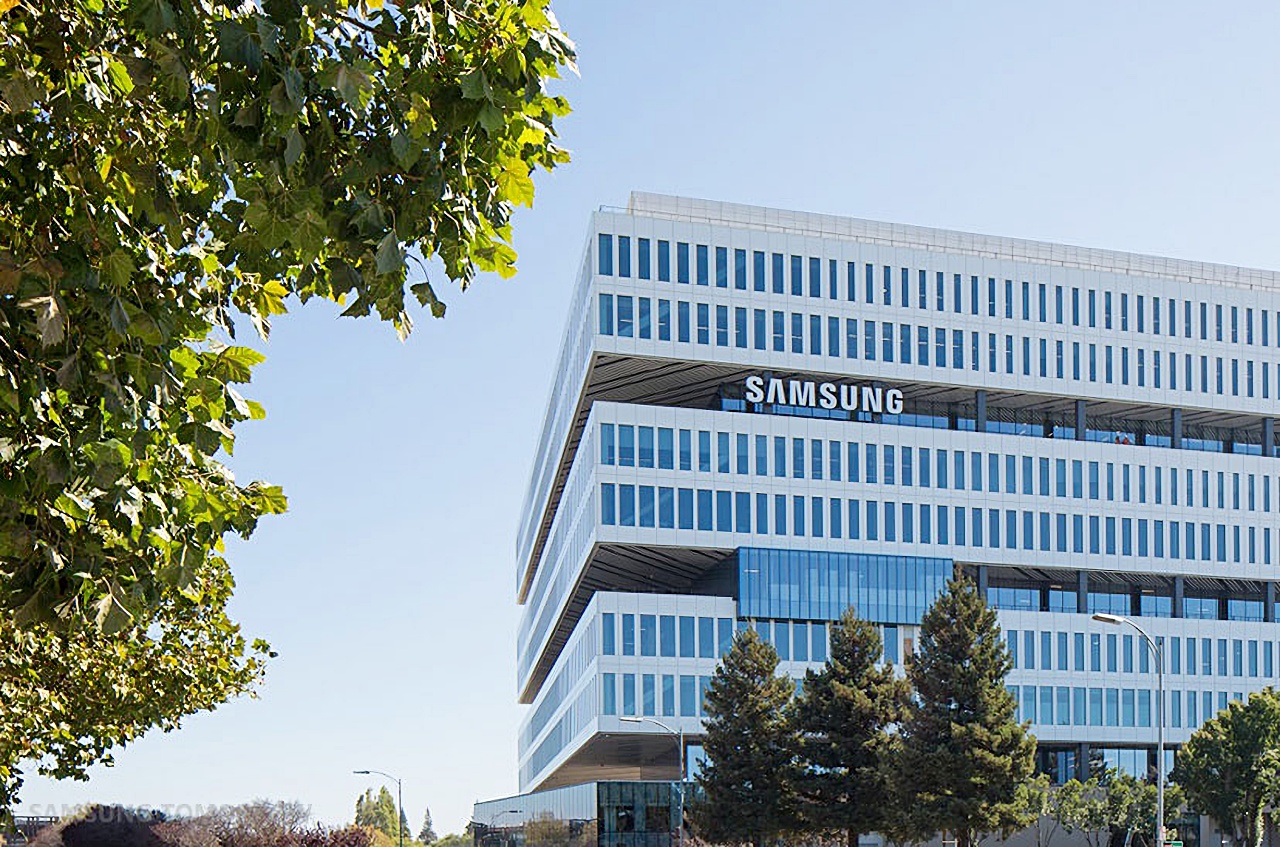
Samsung Electronics is joining some other companies in pushing for a healthy work and life balance by implementing a new four-day workweek schedule. The Seoul-based electronics company said it will now allow employees to work just four days once every month.
As per Korea Joongang Daily, as long as the employees fulfill or complete their monthly required working hours, they can have one day off in their chosen week each month. This is the only condition that Samsung Electronics has put in place to get the extra time off.
Business insiders said that starting June 23, the company will start the trial for the new work schedule scheme, which will come on the Friday of the payday week. Typically, the Samsung Galaxy devices manufacturer distributes paychecks on the 21st of each month.
Then again, those working in the production units and on eight-hour work shifts will continue to work on their usual schedules. The rest of the Samsung Electronics employees, including staff in the company’s semiconductor Device Solutions (DS) unit and the Device eXperience division that handles smartphones and consumer electronics, will also be allowed to avail of the optional work flexibility as long as they can meet the minimum 160 to 168-hour demand.
“It is our job to bring in good people and form a flexible culture that allows the organization to adapt to changes,” Lee Jae Yong, Samsung Electronics executive chairman, told executives during a leadership seminar last year.
It was further revealed that the flexible four-day work schedule was approved by the labor and management in April as well. They agreed to this during salary negotiations after the management made the proposal stating it is to boost the workers' morale.
At any rate, it should be noted that the 4-day workweek system is only partial as Samsung Electronics is implementing it only once a month rather than every week. The Korea Economic Daily also mentioned that this is mostly applicable to non-factory workers as well.
Photo by: Samsung Media Library







