


 Zcash Plans Quantum-Resistant Security Upgrade for January
  Amazon in Talks to Acquire AI Startup Decart for $7 Billion
  Broadcom, Oracle and SpaceX Seek Billions in Private Debt for AI Expansion
  Trump Buys Up to $25M in Meta Stock, Invests in SpaceX Debt
  Tencent Shares Fall as $5 Billion AI Bond Sale Weighed
  Apple Names Steve Smith M&A Chief in Leadership Shakeup
  Anthropic Launches Claude Dashboards and Motion AI Tools
  Robinhood Chain Eyes Priority Gas Auctions for Faster Trades
  Meta Launches Muse Wonder AI Models, Shares Rise 3.7%
  Yandex Data Center Hit by Drone Strike as Russia-Ukraine Cyber Infrastructure Attacks Escalate
  Jameson Lopp Downplays AI Threat to Bitcoin Cryptography
  Solidigm Taps Goldman, Morgan Stanley for $10 Billion US IPO
  Arthur Hayes Announces FLOP Testnet Launch Within Weeks
  OpenAI Revenue Hits $50 Billion, Below Earlier $70 Billion Estimate
  Elon Musk Accuses Indian Telecom Giants of Blocking Starlink Launch


 Add as a preferred source on Google
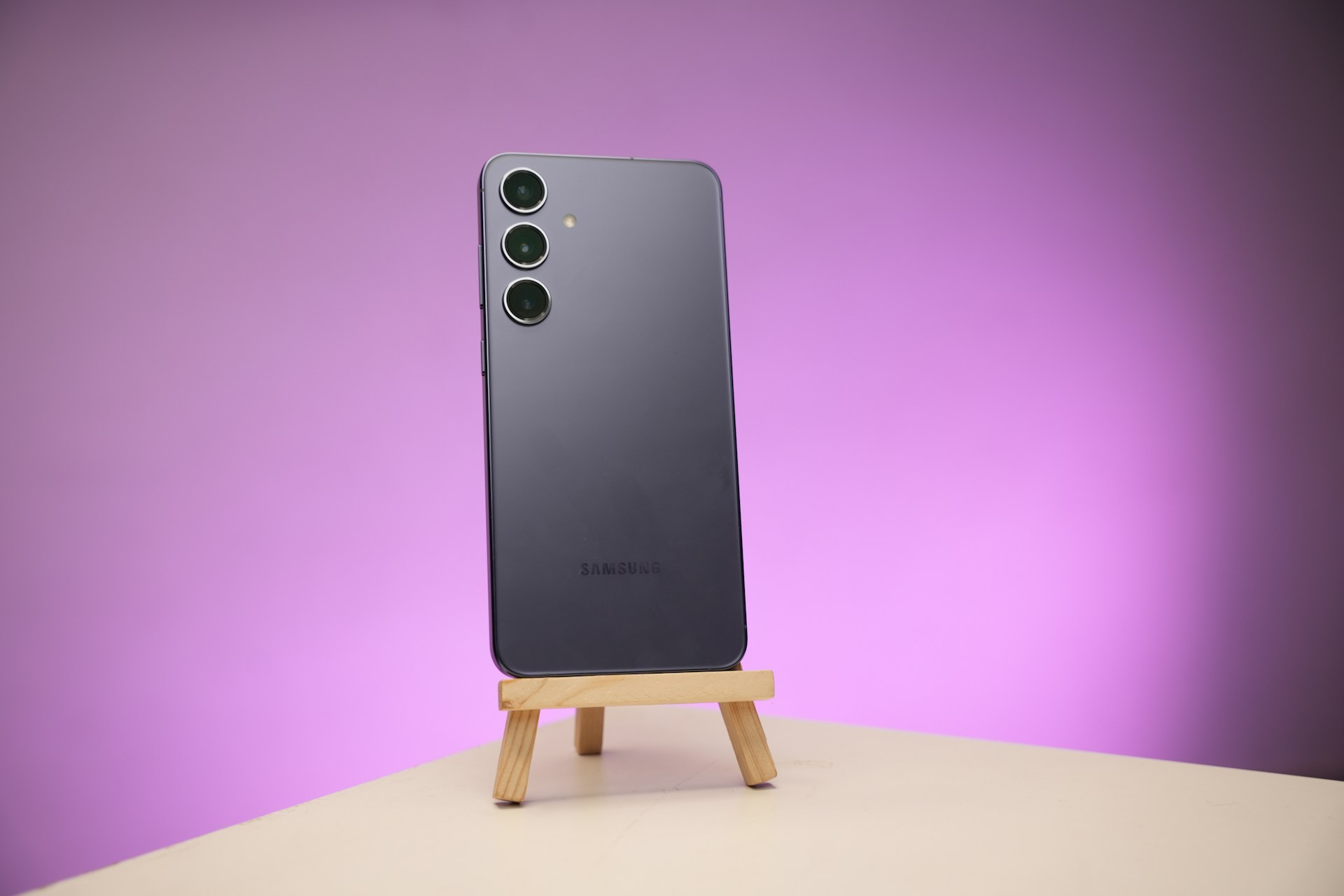
In an unexpected twist, Samsung is set to continue its dual-chip approach for the upcoming Galaxy S25 series despite rumors of a switch to an all-Exynos lineup.
A recent report counters speculation, suggesting that the tech giant will incorporate its in-house Exynos and Qualcomm's Snapdragon processors across different markets. This decision comes as Samsung further develops its Exynos chips, aiming for superior performance to rival Snapdragon’s offerings in future devices.
Samsung's Strategic Shift: Balancing Exynos and Snapdragon for Galaxy Flagships
In a recent report by Android Headlines, Samsung has long used Exynos and Snapdragon processors in its flagship phones. It ships the phones with the former in most global markets, but the US, China, and a few other regions have always received the latter. The trend shifted for the better in 2023 when the Galaxy S23 series was released globally with the Snapdragon 8 Gen 2. Everyone welcomed this move because Exynos versions have historically underperformed.
However, Exynos has returned to the Galaxy S24 this year, albeit only in the smaller two models. Globally, the Galaxy S24 Ultra is powered by the Snapdragon 8 Generation 3. Despite Samsung's improvements, the Galaxy S24's Exynos 2400 still struggles to compete with the latest Snapdragon. Ideally, fans want the company to return to an all-Snapdragon strategy for the Galaxy S25 series next year. But it has different plans.
The Korean behemoth is not just developing specialized Exynos chips for its flagships; it's crafting a potential game-changer. These chips could match but potentially outperform competing Snapdragon solutions in terms of performance. A dedicated team is optimizing the chips for Samsung's phones from the ground up, with the first-generation solution set to debut in 2025. This has sparked rumors that the Galaxy S25 phones could be shipped worldwide with this custom Exynos chip, heralding a new era of Samsung's chip strategy.
Samsung's Dual Chip Strategy: A Delicate Balance Between Exynos and Snapdragon
According to DigiTimes, this may not occur. Samsung still intends to use Snapdragon processors in its 2025 flagship models. Details are scarce, but the Galaxy S25 Ultra will likely use the Snapdragon 8 Gen 4 in all markets. In some regions, the other two models will be powered by the Exynos 2500. You'll find out in time whether it's the rumored "special" Exynos chip from Samsung or the standard one.
Contrary to your expectations, Samsung is not stepping back from Exynos chips in its flagship phones. It's making a strategic shift. The company aims to increase the share of its in-house processors in Galaxy devices, potentially including the Galaxy Z Flip 6 equipped with an Exynos chip this year. This move, hinted at by a few tipsters, could mark a significant departure for Samsung, as it would be the first Samsung foldable without a Snapdragon processor. Watch for the Galaxy Z Flip 6 and Galaxy Z Fold 6, set to be released in July, to see this strategy in action.
Photo: Dhruv vishwakarma/Unsplash







