
The Korea Atomic Energy Research Institute had developed a method for purifying radioactively contaminated soil by using magnets to separate radioactive cesium from the soil.
Cesium is most frequently found in radioactively polluted soil. Cesium is firmly coupled with microscopic soil particles (clay) with diameters less than 0.002mm, resulting in a negative charge on the clay's surface.
The researchers were able to separate the cesium-contaminated clay by creating a positive charge nanoparticle.
This technique has a high economic value since it can remove contaminated soil using just magnetic force and no additional energy sources.
Blue Origin’s New Glenn Achieves Breakthrough Success With First NASA Mission
BOJ Faces Pressure for Clarity, but Neutral Rate Estimates Likely to Stay Vague
Neuralink Expands Brain Implant Trials with 12 Global Patients
NASA Cuts Boeing Starliner Missions as SpaceX Pulls Ahead
Oil Prices Hold Steady as Ukraine Tensions and Fed Cut Expectations Support Market
Is space worth the cost? Accounting experts say its value can’t be found in spreadsheets
RBI Cuts Repo Rate to 5.25% as Inflation Cools and Growth Outlook Strengthens
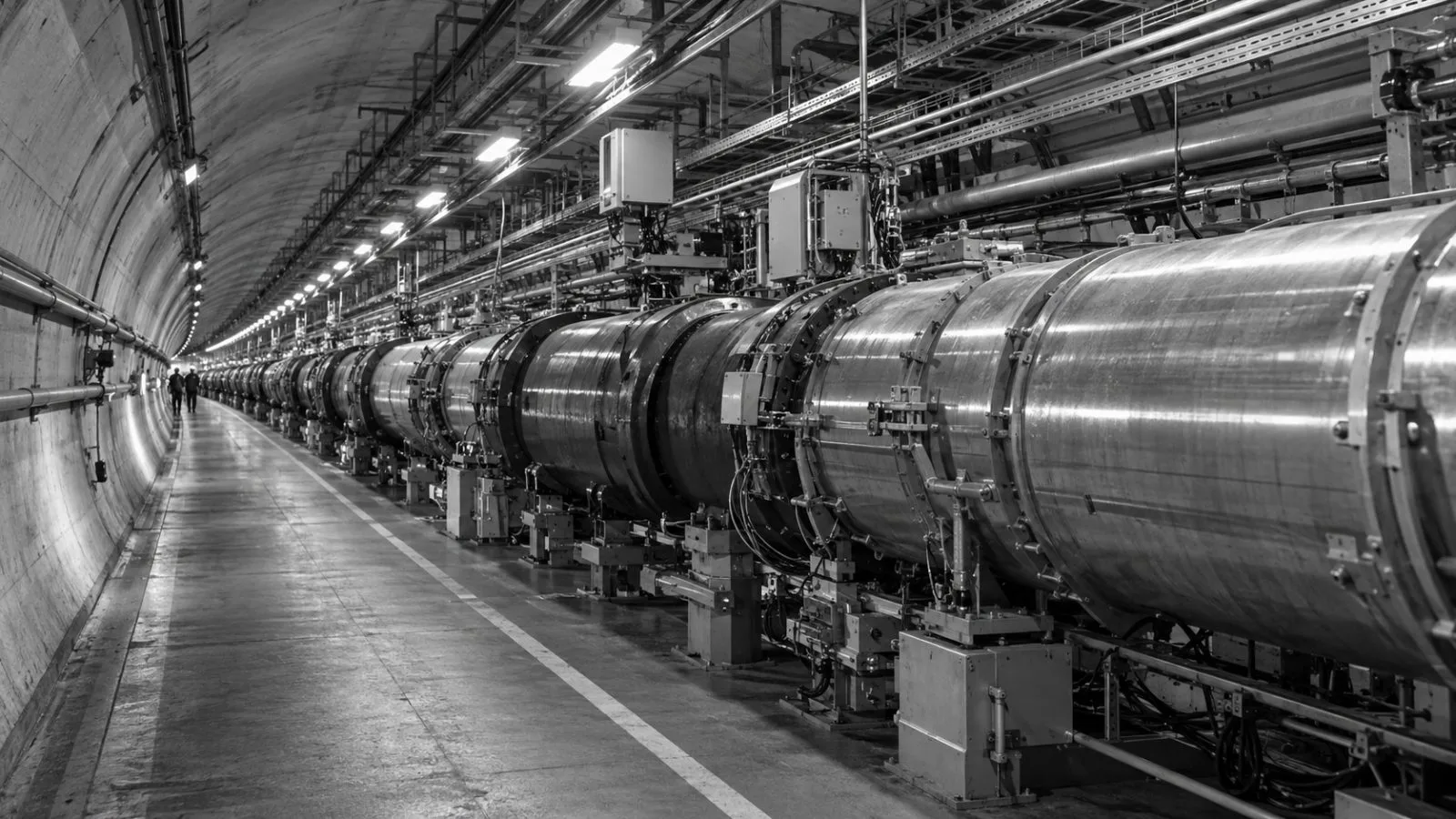
Tabletop particle accelerator could transform medicine and materials science
YouTube Agrees to Follow Australia’s New Under-16 Social Media Ban
Anthropic Reportedly Taps Wilson Sonsini as It Prepares for a Potential 2026 IPO
Dollar Holds Steady as Markets Shift Focus to 2026 Rate Cut Expectations
FDA Lifts REMS Requirement for CAR-T Cell Cancer Therapies
SpaceX Starship Test Flight Reaches New Heights but Ends in Setback
Gold Prices Steady as Markets Await Key U.S. Data and Expected Fed Rate Cut
Asia’s IPO Market Set for Strong Growth as China and India Drive Investor Diversification 


