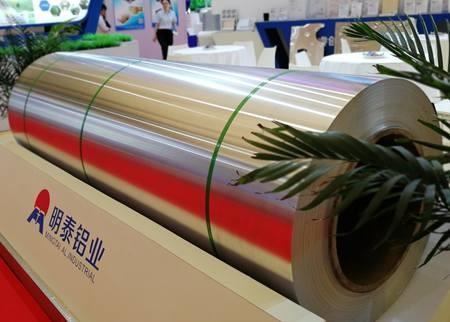
South Korea's trade ministry is seeking talks with the European Union (EU) over a new carbon-neutral policy that may cause the country's steel and aluminum exports to lose price competitiveness in the European market.
Under the EU's Carbon Border Adjustment Mechanism (CBAM), European importers of steel, aluminum, cement, electricity, and fertilizer must purchase "carbon certificates" corresponding to the carbon created during production.
The CBAM, according to the EU, will help reduce carbon leakage risks by encouraging producers in non-EU countries to green their production processes.
The measure is set for full implementation in 2026, following a 3-year transition period.
Trade Minister Yeo Han-Koo said that South Korea's stance is for the CBAM to follow the World Trade Organization rules.
South Korea expects its steel and aluminum industries to be among the CBAM's victims.
Yeo said the country would negotiate to keep environmental regulations, including the CBAM, from excessively burdening its firms.
Local firms have been asking the government to offer tax cuts to ease potential financial burdens due to the CBAM.


Asian Stocks Rebound as Trump Delays Iran Strike Deadline
Oil Prices Surge Past $100 as U.S.-Iran Peace Hopes Collapse
Oil Prices Slip as Middle East Tensions Ease, Heading for Weekly Loss
LA fires: Fast wildfires are more destructive and harder to contain
Time to buy local: war fuel price shocks reveal the folly of a long food supply chain
Lake beds are rich environmental records — studying them reveals much about a place’s history
What’s so special about Ukraine’s minerals? A geologist explains
Asian Currencies Hold Steady as Dollar Stays Firm Amid Middle East Uncertainty
Oil Prices Slip as Trump Extends Iran Ceasefire Deadline Amid Ongoing War Fears
Swimming in the sweet spot: how marine animals save energy on long journeys
Bank of Japan Unveils New Inflation Gauge to Support Case for Future Rate Hikes
Dollar Strengthens as U.S.-Iran Peace Talks Send Mixed Signals
ECB Eyes Rate Hike Amid Iran Conflict-Driven Energy Price Surge
Fertile land for growing vegetables is at risk — but a scientific discovery could turn the tide
Fungi are among the planet’s most important organisms — yet they continue to be overlooked in conservation strategies
How to create a thriving forest, not box-checking ‘tree cover’ 


