


 Europe can’t achieve space sovereignty alone. Here’s why
  Bill Gates Warns Governments Are Unprepared for AI Disruption
  US Judge Dismisses Imran Ahmed Deportation Lawsuit
  Trump Administration Removes Confederate Memorial Criticism From Arlington Website
  U.S. Issues Cuba Health Alert as Illnesses Rise
  Ukraine Races to Counter Russia’s Faster Jet-Powered Drones
  China’s Global Times Slams Anthropic CEO’s AI Slowdown Plan as ‘Cold War’ Strategy
  Trump Grants Clemency to Jay-Z Associate Emory Jones
  Judge Blocks Trump Rule Limiting Foreign Student Visas
  Texas Republicans Turn Against AI Data Centers as Election Backlash Grows
  Philippines Holds Historic Bangsamoro Election Amid Tight Security
  Australia Plans New Rules Giving Users Control Over Social Media Feeds
  Ukraine Tests New Anti-Drone Weapon After Successful Shahed Intercept
  Trump Rejects Calls for Tougher AI Regulation
  Takaichi-Backed Koja Wins Okinawa Governor Race
  Houthis Escalate Saudi Attacks as Red Sea Oil Risks Grow
  Google Changes EU Spam Policy Amid Antitrust Scrutiny


 Add as a preferred source on Google
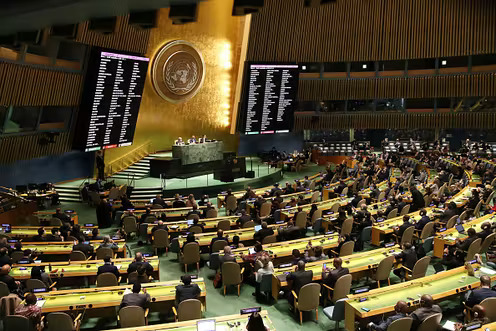
The United Nations has added Israel and Russia to its official blacklist of parties suspected of committing conflict-related sexual violence, a decision that has sparked strong international reactions and intensified diplomatic tensions. The designation appeared in the latest annual report submitted by U.N. Secretary-General António Guterres to the U.N. Security Council, highlighting allegations linked to ongoing conflicts in Gaza, the West Bank, and Ukraine.
Israel strongly rejected the decision, calling it politically motivated and disconnected from the facts. Israeli officials argued that the country has investigated allegations thoroughly and cooperated with international bodies. Following the announcement, Israel’s Foreign Ministry stated that it would suspend ties with the Secretary-General’s office until new leadership is appointed at the United Nations.
The report details multiple verified cases of sexual violence allegedly committed by Israeli armed and security forces. According to the findings, victims included men, women, and children from Gaza and the West Bank. Reported abuses ranged from rape and attempted rape to forced nudity, invasive searches, threats of sexual assault, and violence targeting victims’ genital areas. Several incidents reportedly occurred during detention, interrogation, military operations, and at checkpoints.
The U.N. also documented a significant number of cases involving Russian armed and security forces in Ukraine. Investigators verified hundreds of incidents, including rape, gang rape, genital mutilation, electric shocks, and other forms of sexual abuse. The victims included men, women, and girls affected by the ongoing conflict.
Hamas remains on the same U.N. blacklist, and Israeli officials criticized the decision to place Israel alongside the militant group. Meanwhile, Ukrainian authorities welcomed the inclusion of Russia, describing it as an important step toward accountability.
Pramila Patten, the U.N. Special Representative on Sexual Violence in Conflict, noted a dramatic global rise in verified conflict-related sexual violence cases during 2025. She warned that the documented incidents likely represent only a fraction of the actual number of abuses occurring in conflict zones worldwide.
Although inclusion on the blacklist does not automatically trigger sanctions, it can result in serious reputational consequences and may restrict participation in future U.N. peacekeeping operations. The latest report underscores growing international concern over sexual violence in armed conflicts and the need for greater accountability and protection for victims.







