A rare high-level military meeting between the United States and Cuba took place at the perimeter of the U.S. Naval Station at Guantanamo Bay, marking a significant development in U.S.-Cuba relations amid growing geopolitical tensions.
U.S. Southern Command chief General Francis Donovan met with senior Cuban military officials on Friday, including General Roberto Legra Sotolongo, the first deputy minister and chief of Cuba’s General Staff. According to the U.S. military, the discussions focused on operational security, perimeter safety, force protection, and military readiness at the Guantanamo Bay naval base.
The meeting is considered unusual because it is believed to be the first visit by a Southern Command commander to engage directly with Cuban military leadership in recent memory. Both sides described the talks as constructive and confirmed their intention to maintain communication channels regarding security matters surrounding the military installation.
Cuba’s armed forces stated that the meeting occurred by mutual agreement and resulted in positive evaluations from both delegations. Officials emphasized cooperation on issues related to security along the dividing perimeter of the U.S. military enclave.
The discussions come at a sensitive moment in U.S.-Cuba relations. Concerns have been growing in Havana over the possibility of increased U.S. pressure or military action against the communist-run island. Earlier in May, CIA Director John Ratcliffe made a rare visit to Cuba, further fueling speculation about Washington’s intentions.
President Donald Trump has repeatedly highlighted Cuba as a key foreign policy priority during his second term. His administration has intensified pressure on the island through sanctions and economic measures, including policies that have disrupted fuel supplies and contributed to ongoing power shortages across Cuba.
The Trump administration has also taken legal action against former Cuban leader Raul Castro, charging him in connection with the 1996 downing of civilian aircraft operated by Cuban exile groups. Meanwhile, Washington has expanded efforts to strengthen its influence across Latin America, including actions targeting allied governments such as Venezuela.
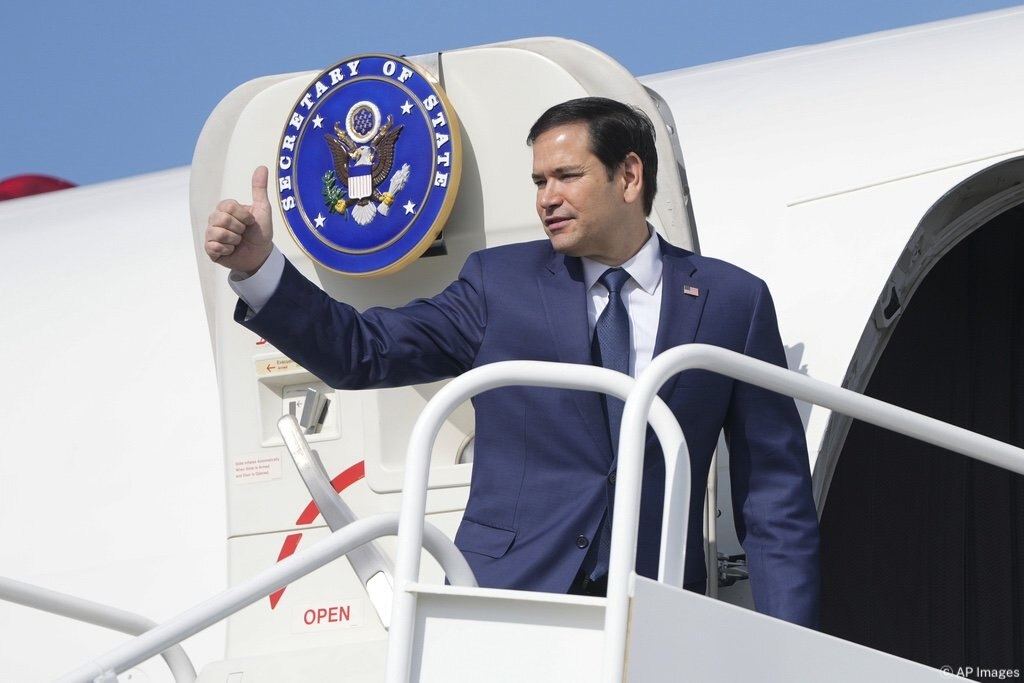
Secretary of State Marco Rubio has frequently warned about the national security risks posed by instability in Cuba, located just 90 miles from Florida. Cuban Foreign Minister Bruno Rodriguez has responded by cautioning that any military confrontation could have devastating consequences for both nations.
Analysts continue to warn that worsening economic conditions and political instability in Cuba could trigger a new migration crisis, making developments in U.S.-Cuba relations a closely watched issue throughout the Western Hemisphere in 2026.