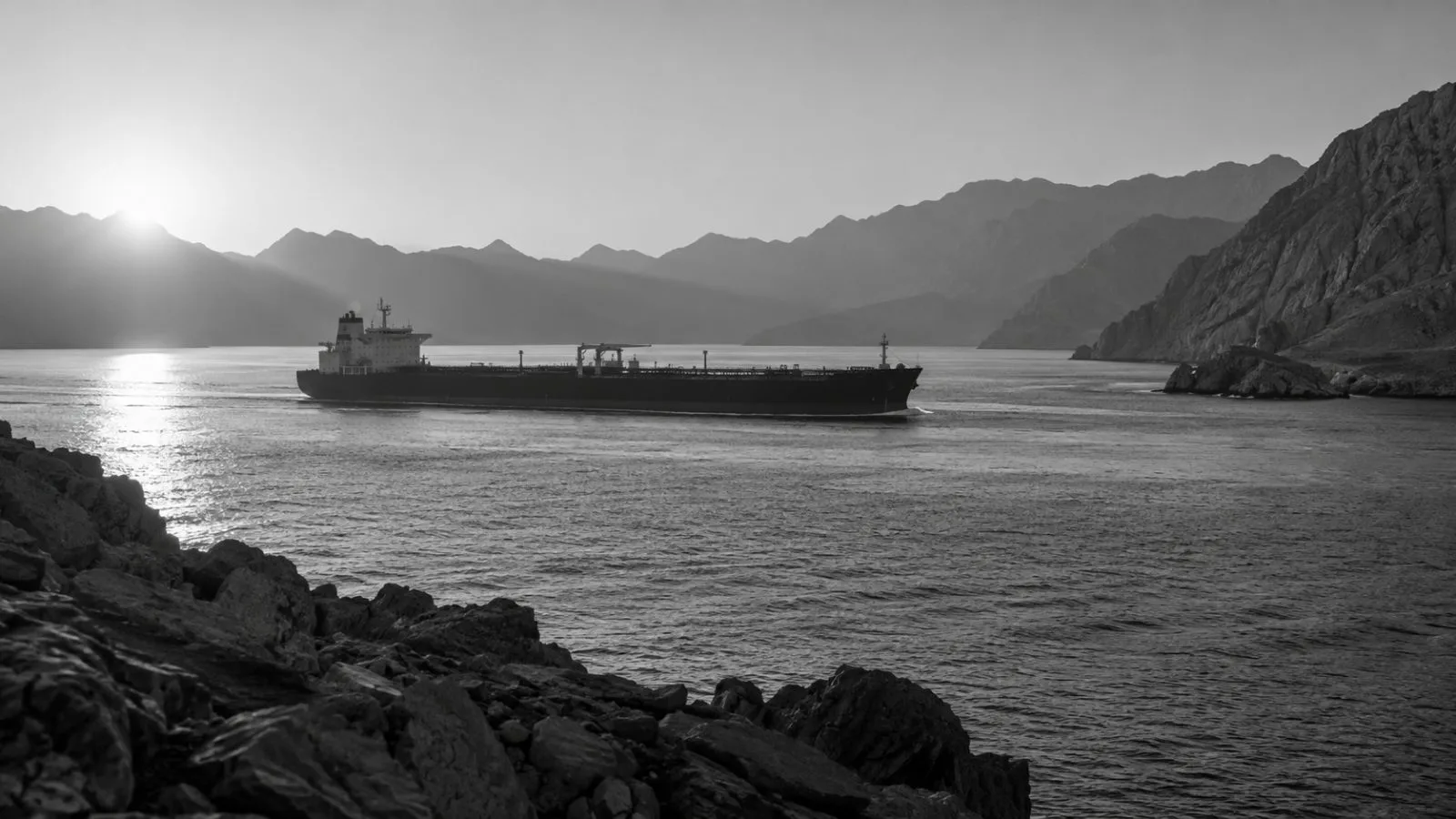
A severe threat to shipping through the Strait of Hormuz is testing a rebound in Gulf oil exports, while high freight and diesel costs spread the economic strain beyond crude markets.
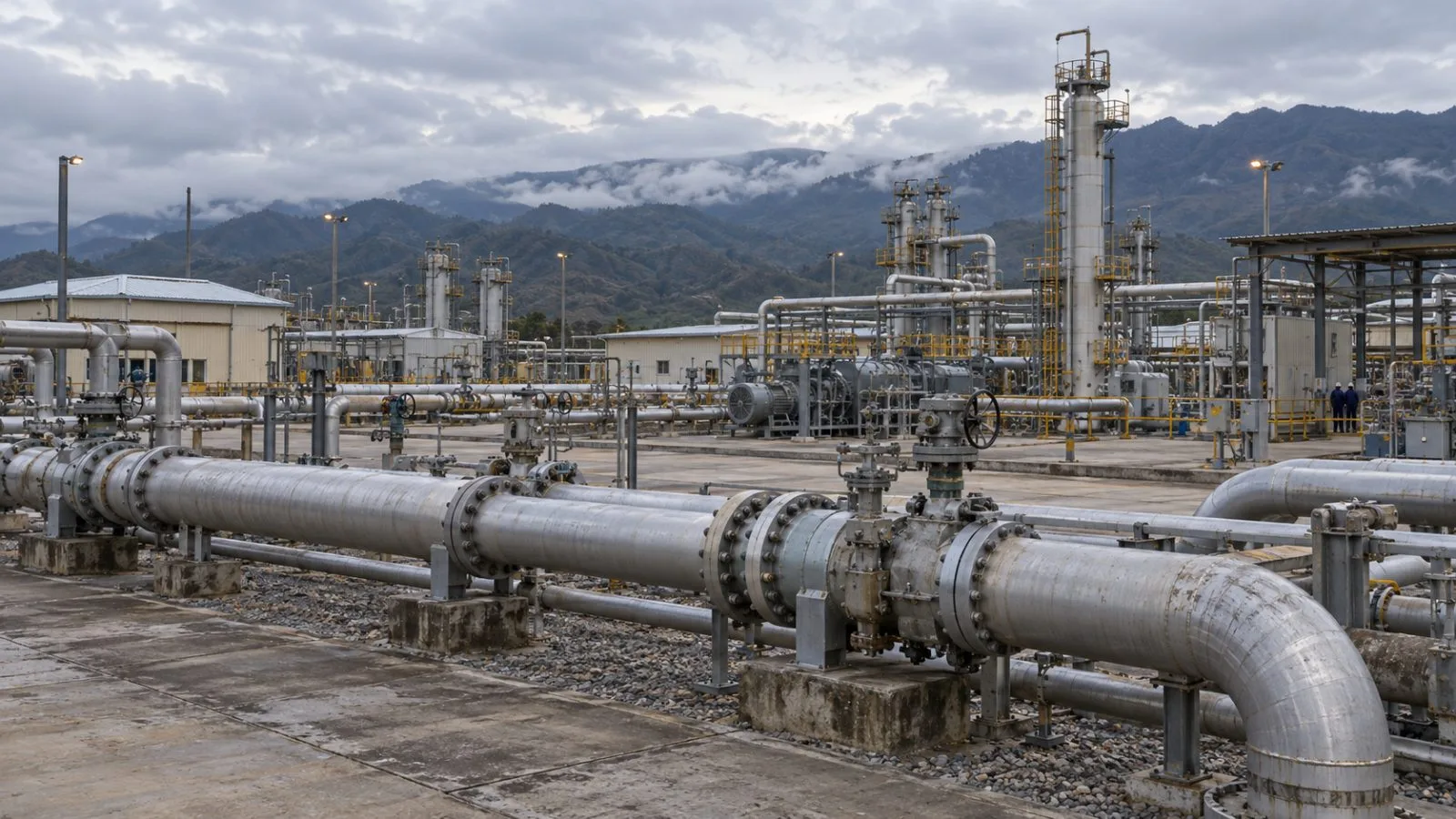
The International Energy Agency (IEA) said Gulf producers exported 13.9 million barrels of crude a day in September 2026, up 4.4 million from August. The volume exceeded three-quarters of its prewar level. Transfers between ships in the Gulf of Oman and greater use of bypass pipelines helped support the rebound, the agency said.
The Joint Maritime Information Center (JMIC) rated the threat in Hormuz severe in an Oct. 18 advisory. A weekly overview by U.K. Maritime Trade Operations (UKMTO), cited by JMIC, counted 254 transits through the strait in the week through Oct. 14. That was roughly 70% below traffic before the conflict. JMIC rated the threat in the southern Red Sea and Bab el-Mandeb substantial.
Reuters reported that Brent futures were at $109.64 a barrel, up $0.85, and U.S. West Texas Intermediate was at $98.58, up $0.76, at 8:22 p.m. ET on Oct. 20 (00:22 UTC on Oct. 21). Those prices were an early Oct. 21 trading snapshot.
The IEA warned that attacks on regional energy infrastructure and risks to tanker traffic could impede further export gains. Separately, Saudi coalition spokesperson Major General Turki Al-Malki said a Houthi ballistic missile aimed at Riyadh was intercepted on Oct. 20.
Transport costs are also affecting refiners. The IEA said record tanker rates raised the cost of delivering crude, squeezing refinery margins in Europe and Asia. Discounted feedstocks lifted U.S. refinery margins, the agency said.
Global diesel and gasoil availability in the third quarter of 2026 was 1.7 million barrels a day lower than a year earlier, the IEA estimated. It said high diesel prices were raising the cost of goods and weighing on incomes.
The IEA’s Governing Board said on Oct. 15 that members had released about 330 million barrels from emergency stocks and agreed to accelerate the release of roughly 100 million barrels still due, including more than 20 million barrels of diesel. The agency said its secretariat would monitor the releases and update the board after another assessment focused on diesel.