Precious metals prices declined through Oct. 30, with silver and platinum falling more than gold in two separate series, while U.S. inflation data and the Federal Reserve's rate decision provided market context.
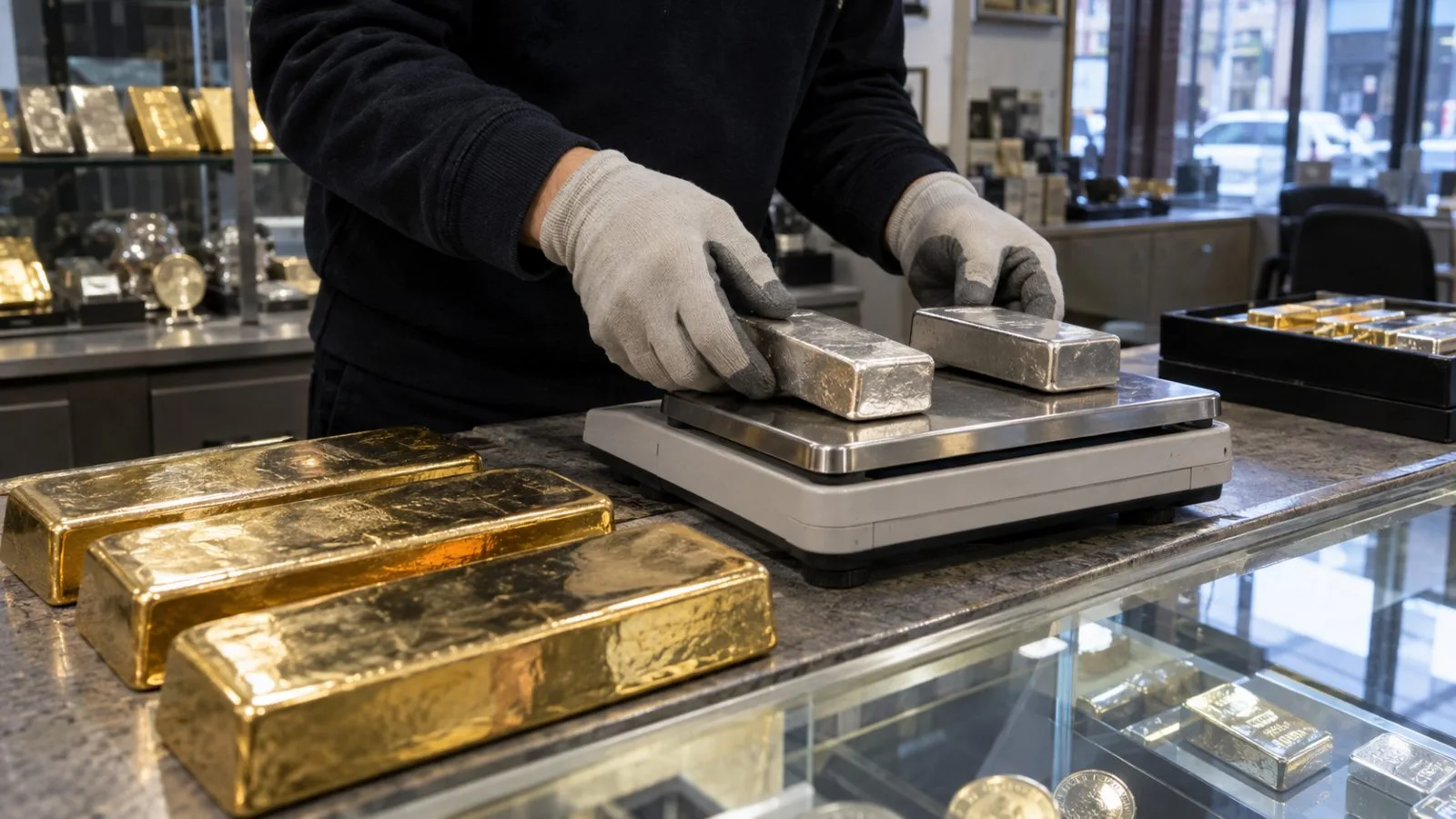
Trading Economics' rolling one-month measure showed silver down 19.17%, platinum down 16.65% and gold down 7.23% through Oct. 30. The provider listed prices that day at $48.903 per troy ounce for silver, $1,436 for platinum and $3,875.84 for gold.
A separate measure from Precious Metals International tracked New York month-end closes between Sept. 30 and Oct. 30. It showed silver down 18.46%, platinum 16.22% and gold 6.47%.
The percentages reflect different price series. Trading Economics says it uses over-the-counter (OTC) and contract-for-difference (CFD) prices rather than official benchmarks, and that it does not verify the third-party data it receives. Its year-over-year figures through Oct. 30 showed silver up 0.21%, while platinum was down 8% and gold 3.21%.
The metals' declines came amid U.S. inflation and interest-rate developments. The Bureau of Labor Statistics (BLS) reported that the consumer price index rose 0.6% in September from August and 3.7% from a year earlier. Gasoline prices increased 9.1% during September, while the energy index rose 5.2%.
The Federal Reserve kept its target rate range at 3.75% to 4% on Oct. 28 in a 10-2 vote. Two members dissented in favor of a quarter-point increase. The Federal Open Market Committee (FOMC) said inflation remained elevated.
Trading Economics linked the metals' weakness to higher energy costs, inflation concerns and expectations of elevated U.S. rates. Those market explanations do not establish how much each factor contributed to the declines.
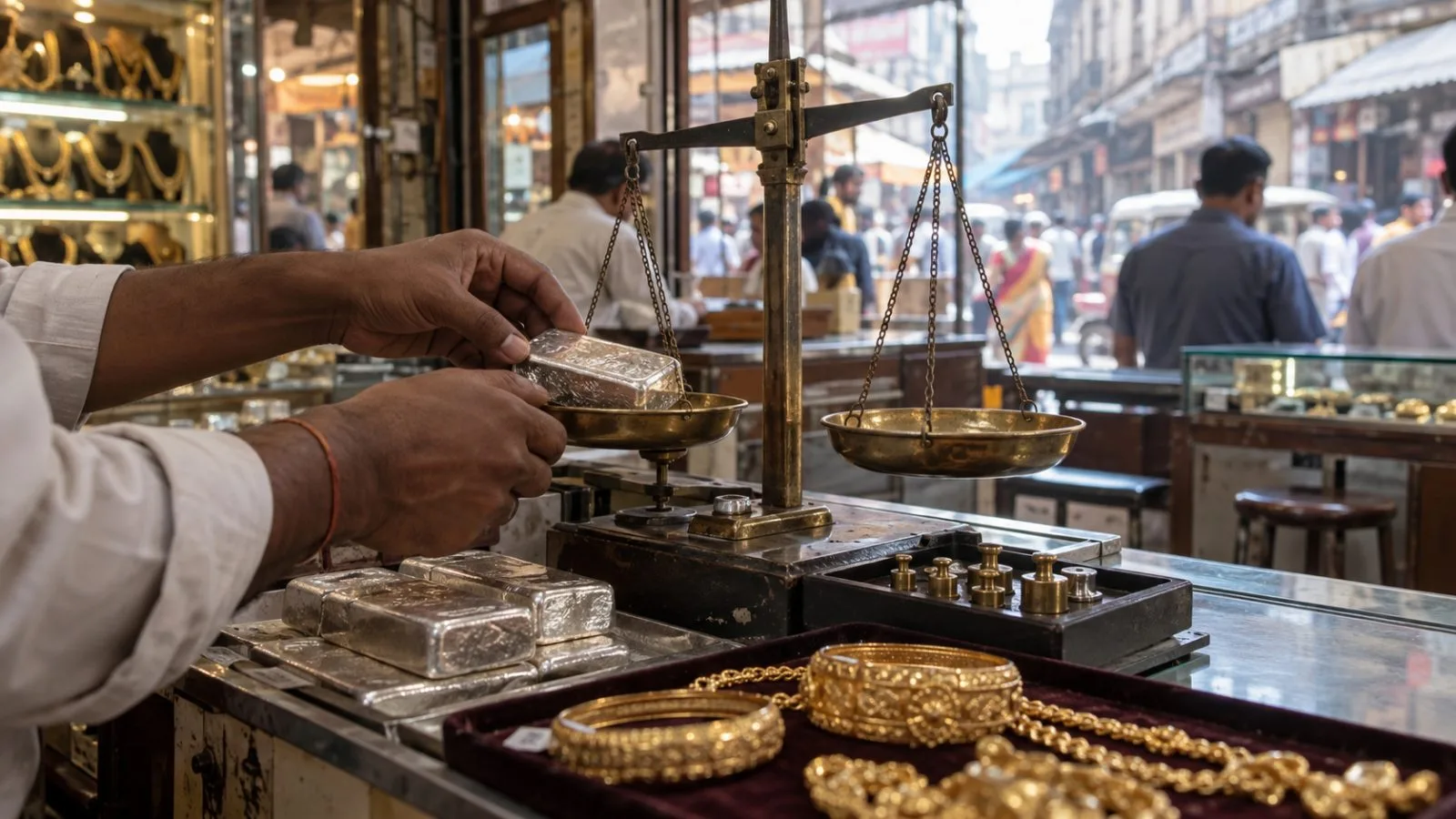
EconoTimes previously examined how the fall in gold prices changed Indian buyers' purchasing power ahead of Dhanteras.
The next U.S. inflation release, covering October, is scheduled for Nov. 10 at 8:30 a.m. ET. The Fed's next scheduled policy meeting is Dec. 8-9.