Singapore Airlines (SIA) has launched its blockchain-based wallet which will allow the members of its KrisFlyer frequent-flyer programme to convert their air miles into digital currency, TechInAsia reported.
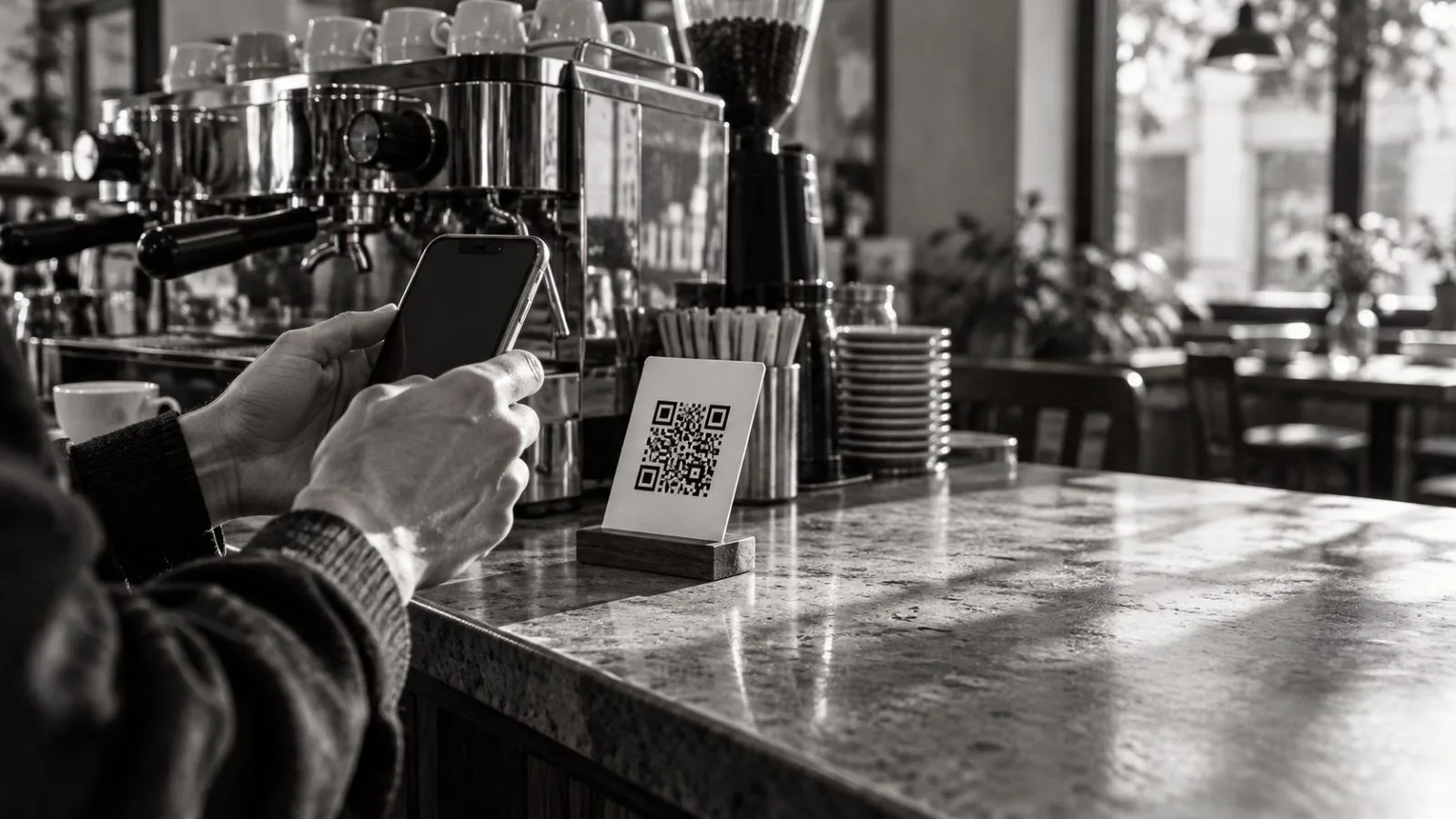
Called “KrisPay,” the digital wallet will convert KrisFlyer miles into instant purchases, starting from as low as 15 miles. It would enable KrisFlyer members to pay for items at SIA’s 18 partner merchants, including gas stations, beauty product retailers, food and beverage outlets, and others.
“You can now use KrisPay for everyday spend such as your petrol purchases at selected Esso service stations, M1, Challenger and many more participating merchants,” the website states.
The underlying blockchain technology is privately-owned by SIA and only its network partners would be able to take part in the transactions that are executed on the blockchain.
The announcement on the digital wallet was first made in February 2018.
The launch follows a successful proof-of-concept (POC) conducted in collaboration with KPMG Digital Village and Microsoft. The POC involved testing the blockchain product and conducting trial runs with merchants, KPMG said.