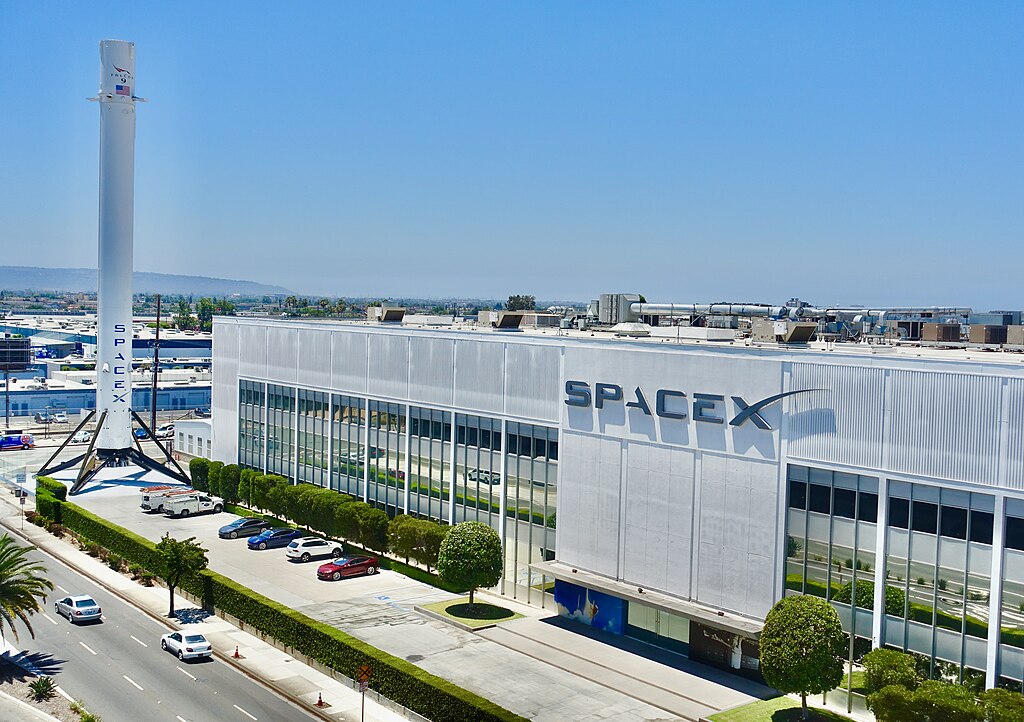
SpaceX has secured $1.6 billion in new contracts from the U.S. Space Force to carry out 18 Falcon 9 rocket launches through 2027, further strengthening its position as the Pentagon’s leading commercial launch provider. The missions will deploy military satellites designed to detect, track, and target airborne threats, supporting the United States’ expanding national security and missile defense capabilities.
The contracts were awarded through two task orders under the Space Force’s primary National Security Space Launch procurement program, where SpaceX competes with major aerospace companies including United Launch Alliance (ULA), Blue Origin, and other U.S. launch providers for government missions.
According to the U.S. Space Force, all 18 Falcon 9 launches will take place from Vandenberg Space Force Base in California and are scheduled for completion by the end of 2027. The launches will place advanced defense satellites into orbit to enhance the military’s ability to monitor and respond to potential airborne and missile threats.
The latest awards add to a growing list of Pentagon contracts won by Elon Musk’s aerospace company. SpaceX has now received at least $7 billion in U.S. Department of Defense contracts this year, underscoring its increasingly important role in national security space operations.
The new agreements also align with the Trump administration’s broader defense strategy, particularly the proposed Golden Dome missile defense initiative. The multi-year program, estimated to cost approximately $185 billion, aims to build a comprehensive missile shield using advanced launch systems, satellites, and space-based infrastructure. SpaceX is widely expected to play a significant role in the project due to its proven launch capabilities and expanding satellite network.
As demand for reliable and cost-effective launch services continues to grow, the Falcon 9 remains a key asset for U.S. military space missions. The latest Space Force contracts reinforce SpaceX’s leadership in the commercial space industry while highlighting the government's increasing reliance on private aerospace companies to support critical national defense objectives.