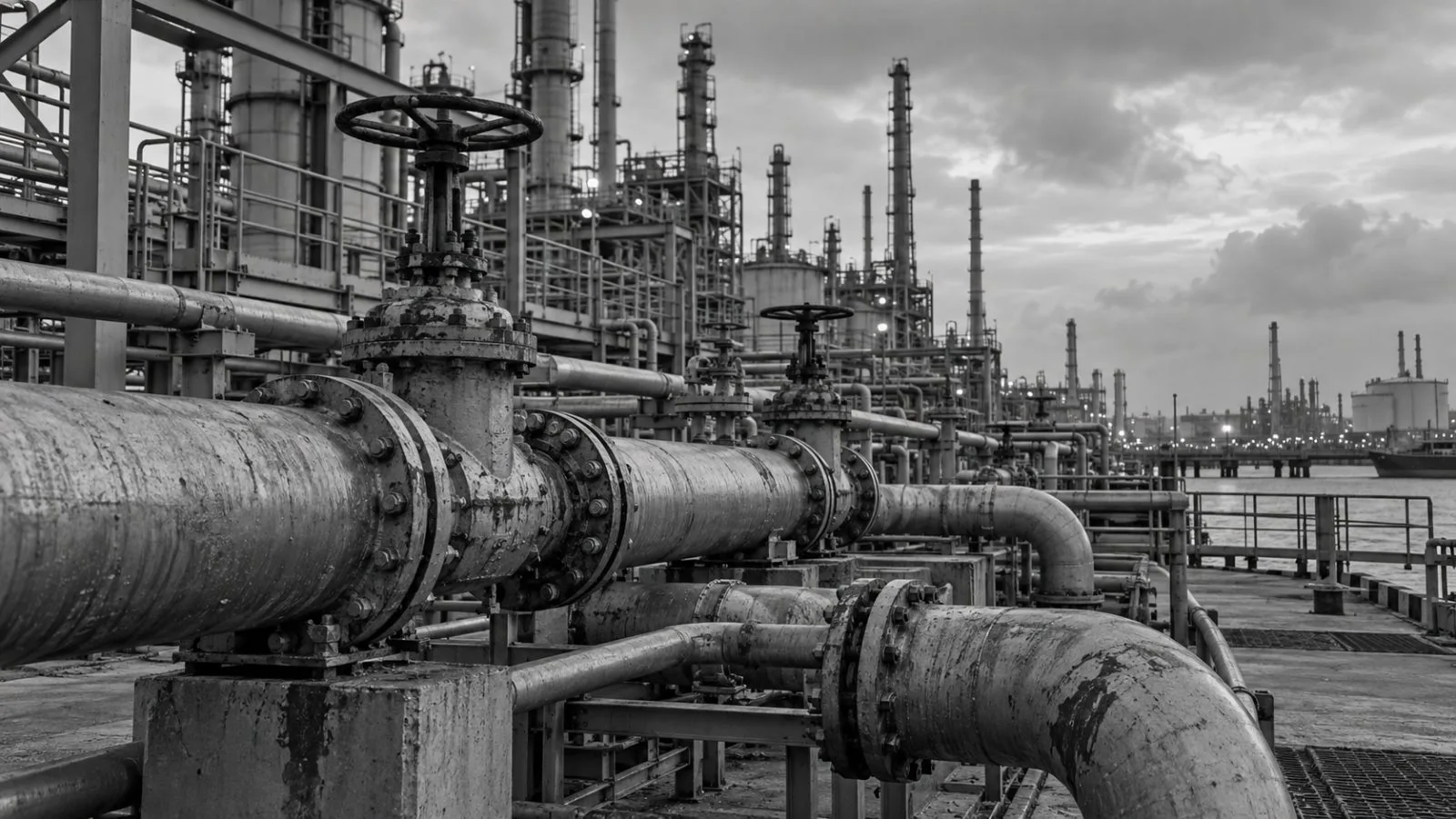
Singapore's energy minister expects a recent Indonesian gas diversion to have little immediate effect on power bills, while the episode highlights the city-state's reliance on imported fuel and exposure to regional supply decisions.
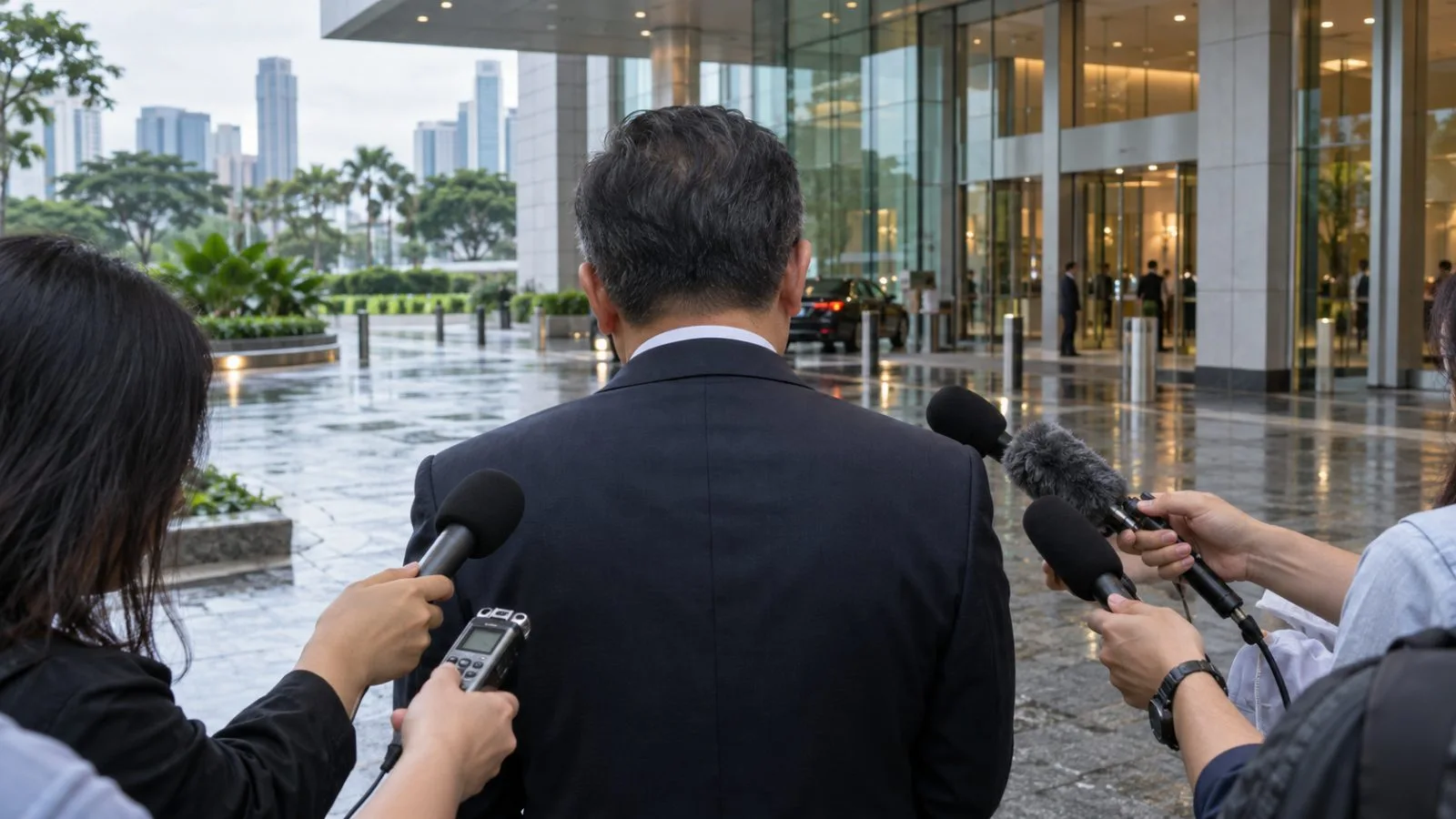
Speaking to reporters after the People's Action Party conference, Tan See Leng, Singapore's energy minister, said movements in international gas markets matter more for electricity costs than the Indonesian diversion, CNA reported. “In the short term, the prices would not really affect that much,” he said, according to Channel NewsAsia (CNA), which reported his assessment.
Indonesia began redirecting gas for domestic electricity needs on Oct. 24, SKK Migas chief Djoko Siswanto said, according to the government portal InfoPublik. Djoko put the reduction at 31 billion British thermal units per day (BBTUD), including 15 BBTUD from Natuna and 16 BBTUD from Sumatra. InfoPublik described the shift as part of a policy to prioritize domestic gas use, including power generation and downstream industries.
CNA and Reuters reported the physical flow reduction at 31 million standard cubic feet per day (MMSCFD), split between Natuna and Sumatra. Their coverage also cited the Energy Market Authority's (EMA) estimate of 17 BBTUD per day over 18 days, less than 2% of Singapore's daily demand of more than 1,000 BBTUD. The 31 BBTUD figure attributed to Djoko differs from EMA's reported 17 BBTUD estimate. Reuters estimated the reduction represented about 9% of Singapore's piped gas supply.
Imported natural gas produces about 95% of Singapore's electricity, EMA says. Fuel costs from the first 2.5 months of the previous quarter feed into the authority's regulated tariff calculation each quarter. CNA reported EMA's statement that Singapore had covered earlier planned or urgent maintenance reductions of 20 to 100 BBTUD by using other gas sources without incident.
Gas Supply told CNA the temporary upstream cut affected deliveries to some customers, but did not say how many customers were affected or for how long. In a Sept. 23, 2025, parliamentary reply, Deputy Prime Minister Gan Kim Yong, then trade and industry minister, said existing gas import contracts with Indonesia expire at the end of 2028 and rising Indonesian domestic demand may affect future exports. CNA reported that SKK Migas said it would monitor the situation daily.