Singapore is removing or modifying Electronic Road Pricing (ERP) gantries before moving to satellite-based charging in 2027, putting in-vehicle units at the center of how motorists will be billed.
The Land Transport Authority (LTA) lists 95 gantries in its transition plan. It classifies 62 as nonoperational and slated for the first removal phase. The remaining 33 are scheduled to keep charging through Dec. 31, 2026, with work on them starting after gantry charging ends. LTA expects removal or modification of all 95 to be complete by June 2027.
Channel NewsAsia and The Straits Times reported that 12 gantries had been removed or modified by Nov. 18.
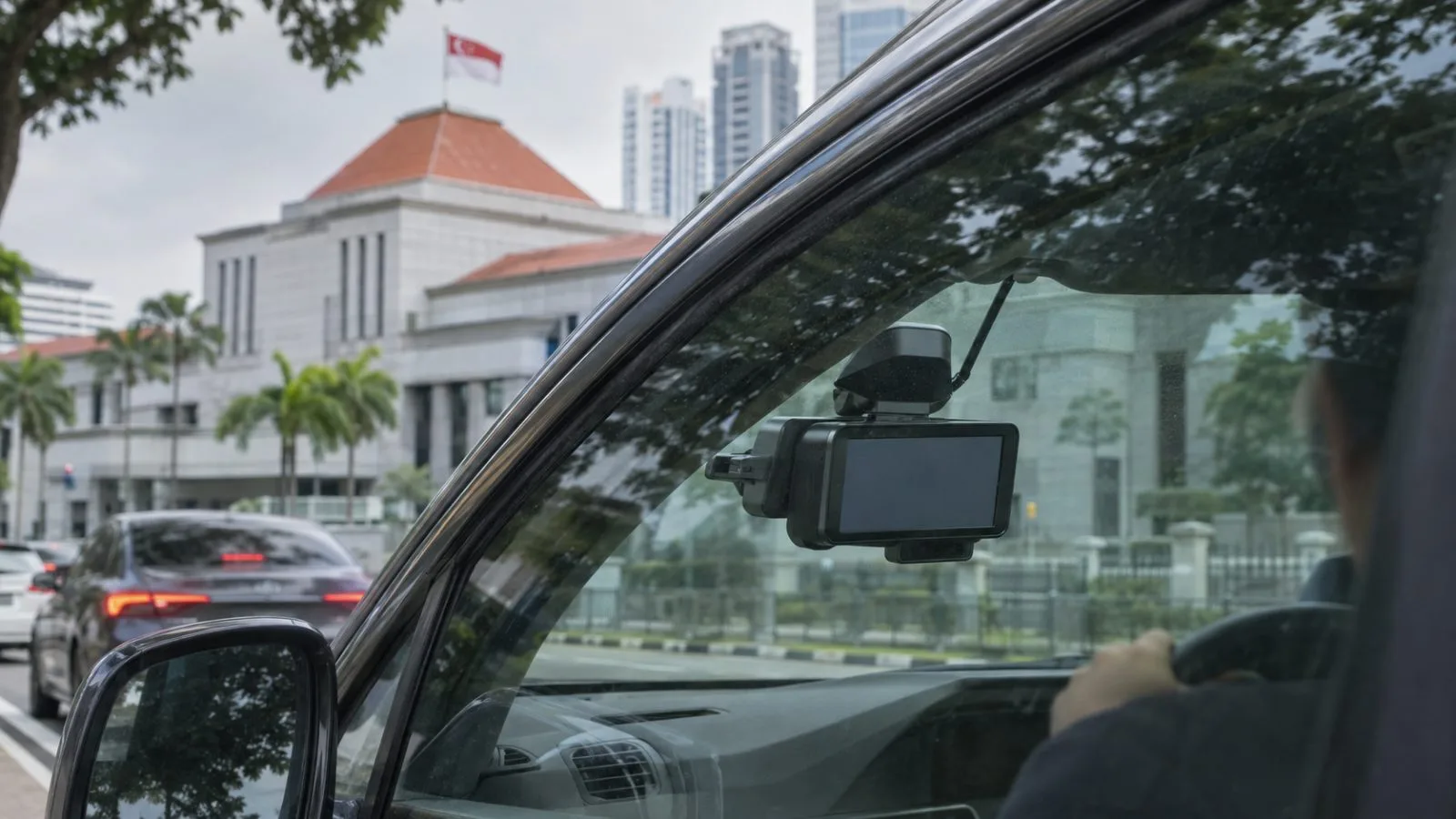
ERP 2 will use Global Navigation Satellite System (GNSS) positioning. LTA says an on-board unit (OBU) will register a vehicle’s passage at a priced location and work out the applicable charge. From Jan. 1, 2027, all Singapore-registered vehicles on public roads must carry an ERP 2 OBU. As of Sept. 28, more than 98% of eligible Singapore-registered vehicles had one, LTA reported.
The authority plans to identify charging points with blue oval ERP symbols and “ERP Charge Zone” signs. Arterial and slip roads are set to have two symbols in each lane, while expressways will have three. The OBU is intended to alert drivers as they approach a charging location, display the applicable rate and report the amount charged after they pass. Some gantry frames may remain fitted with roadside units to support satellite connectivity, LTA said.
Singapore introduced ERP in 1998 to manage traffic. The Ministry of Transport says the current equipment is approaching the end of its useful service. The ministry says ERP 2 should be more responsive to traffic conditions and less costly to build and maintain. LTA says the congestion-pricing framework will continue, with rates reviewed quarterly.
The changeover is scheduled for Jan. 1, 2027, with gantry removal or modification expected to continue through June.