Singapore’s Consumer Protection Review Panel proposed a mandatory cooling-off period for prepaid packages in high-risk sectors, giving customers time to reconsider purchases, CNA reported on Nov. 27.
The proposal was among seven recommendations submitted to the government in the first review of Singapore’s consumer protection framework since 2018. A response was expected in the first quarter of 2027.
The proposed cooling-off period would apply to sectors such as beauty and wellness. Customers could approach the Consumers Association of Singapore, known as CASE, if a supplier refused to honor the period and the dispute qualified for its help.
The recommendations followed cases of pressure selling. One customer said four employees at a facial shop had pressed her for at least an hour to buy a package, with one holding on to her identity card.
The panel also proposed safeguards for people buying resale concert tickets. Digital tickets would use two-factor authentication, an extra identity check, and regularly refreshed entry codes to prevent duplicate sales.
Authorized resale platforms would let buyers see the original ticket price, the resale price and any extra fees. The panel did not say when such platforms would be established.
More than 8,000 consumers and nearly 250 businesses gave feedback for the review. The panel also sought clearer disclosures when influencers receive payment or gifts for content.
Brands, advertisers and agencies also have a role because they often engage influencers for those arrangements. The panel did not specify how the disclosures would be enforced.
The panel proposed raising the limit for claims at the Small Claims Tribunals to S$30,000 from S$20,000. It also wanted the tribunals to hear more types of disputes, including those involving vehicle rental deposits.
CASE received nearly 13,800 complaints in 2025, down from more than 14,200 in 2024. It received about 6,700 complaints in the first half of 2026, nearly 7% more than a year earlier.
In 2024, the association resolved eight in 10 cases in which consumers authorized it to negotiate with businesses. Its complaint handling also helped consumers recover more than S$1.8 million that year.
Consumers reported losing about S$1.9 million in advance payments in 2024 and S$2.7 million in 2025. Reported losses reached nearly S$6.7 million in the first nine months of 2026, almost two and a half times the total for 2025.
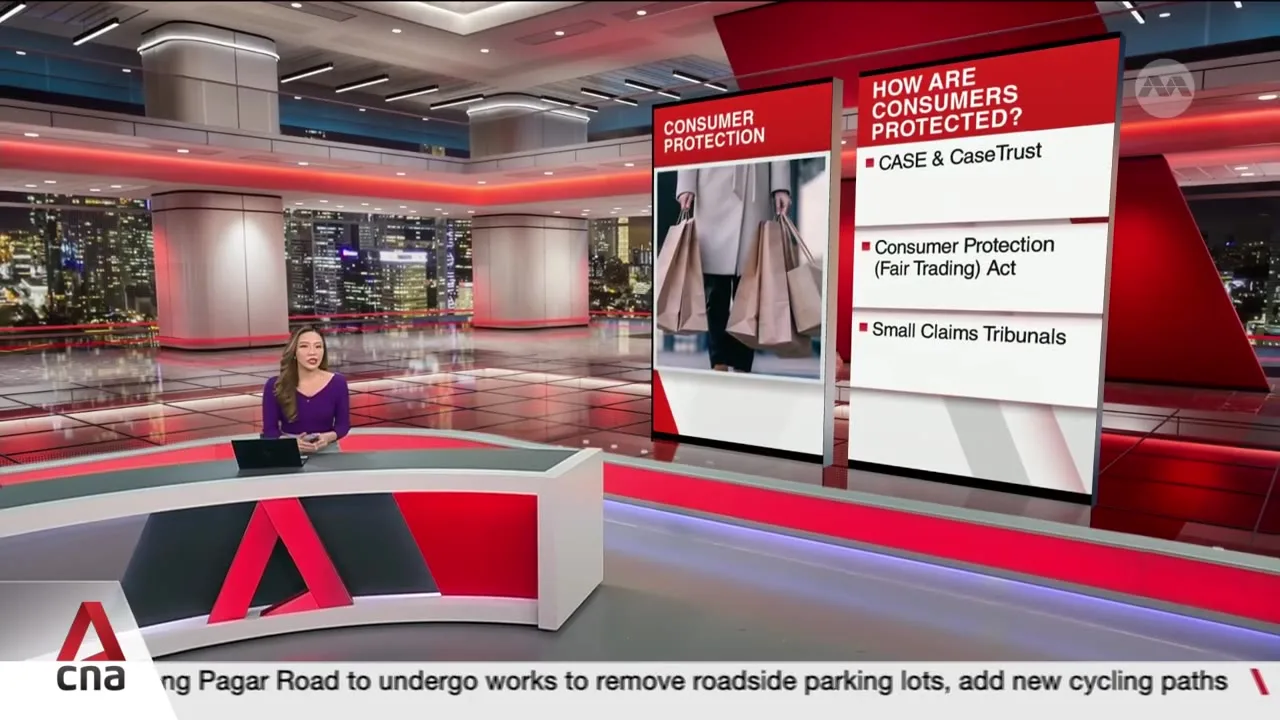
Singapore’s Consumer Protection Fair Trading Act protects consumers against unfair practices, and eligible claims can go to the Small Claims Tribunals. CaseTrust, a voluntary business accreditation scheme, offers advance-payment protection under some of its programs.
Such protection is not compulsory across all sectors. A successful legal claim may not guarantee repayment if a business closes.