Singapore Prime Minister Lawrence Wong urged leaders to confront politically difficult choices at a party conference Sunday as Indonesia redirected pipeline gas, sharpening questions over the city-state’s energy security.
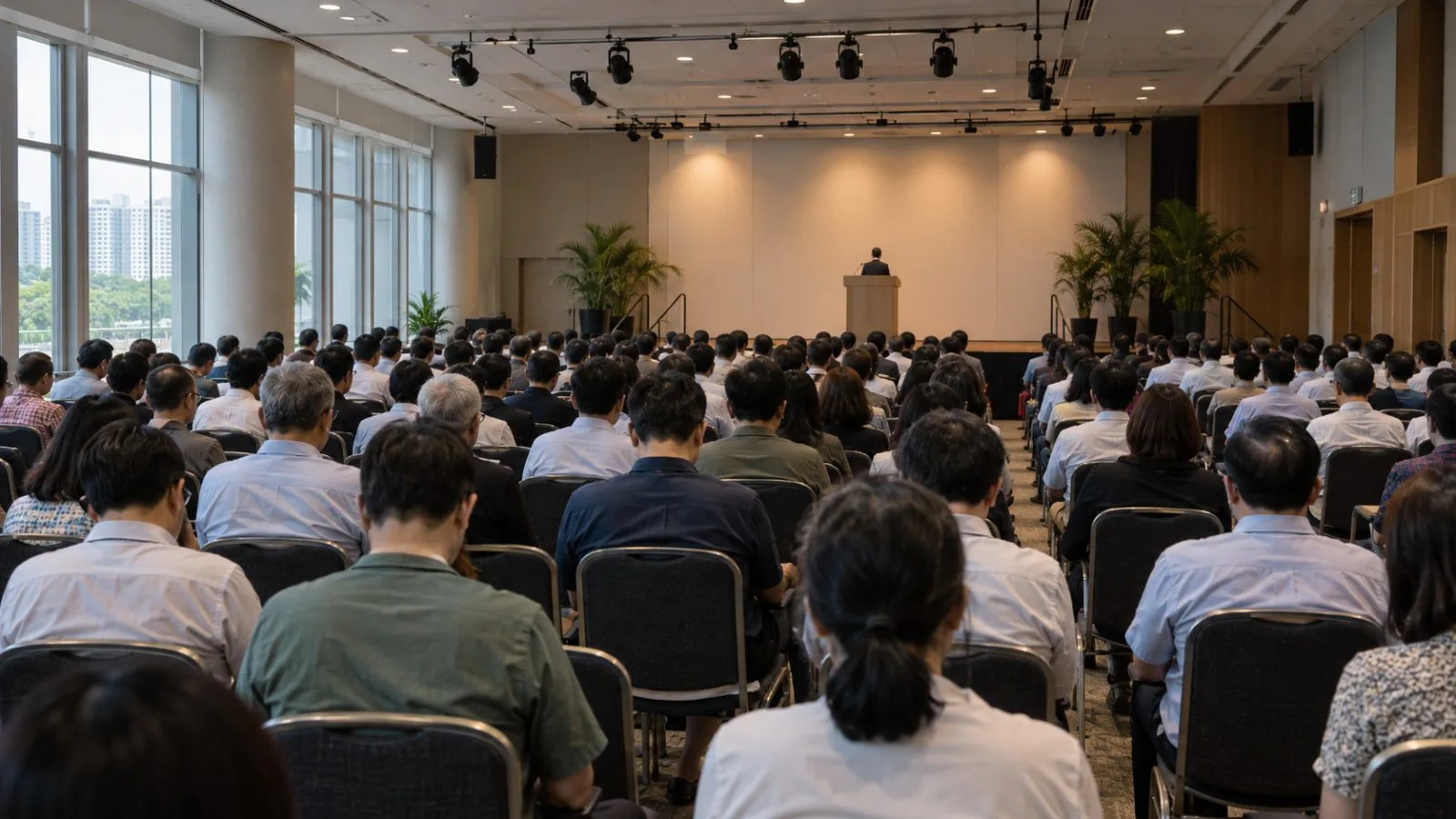
Channel NewsAsia reported that Wong warned against populism and “simplistic solutions.” He cited housing, manpower and political salaries as issues his government had addressed by weighing trade-offs and taking responsibility.
The Straits Times separately reported that Wong raised energy security and nuclear power as long-term questions for Singapore. On nuclear power, he said, “We should not rule out an option simply because it is difficult or controversial.”
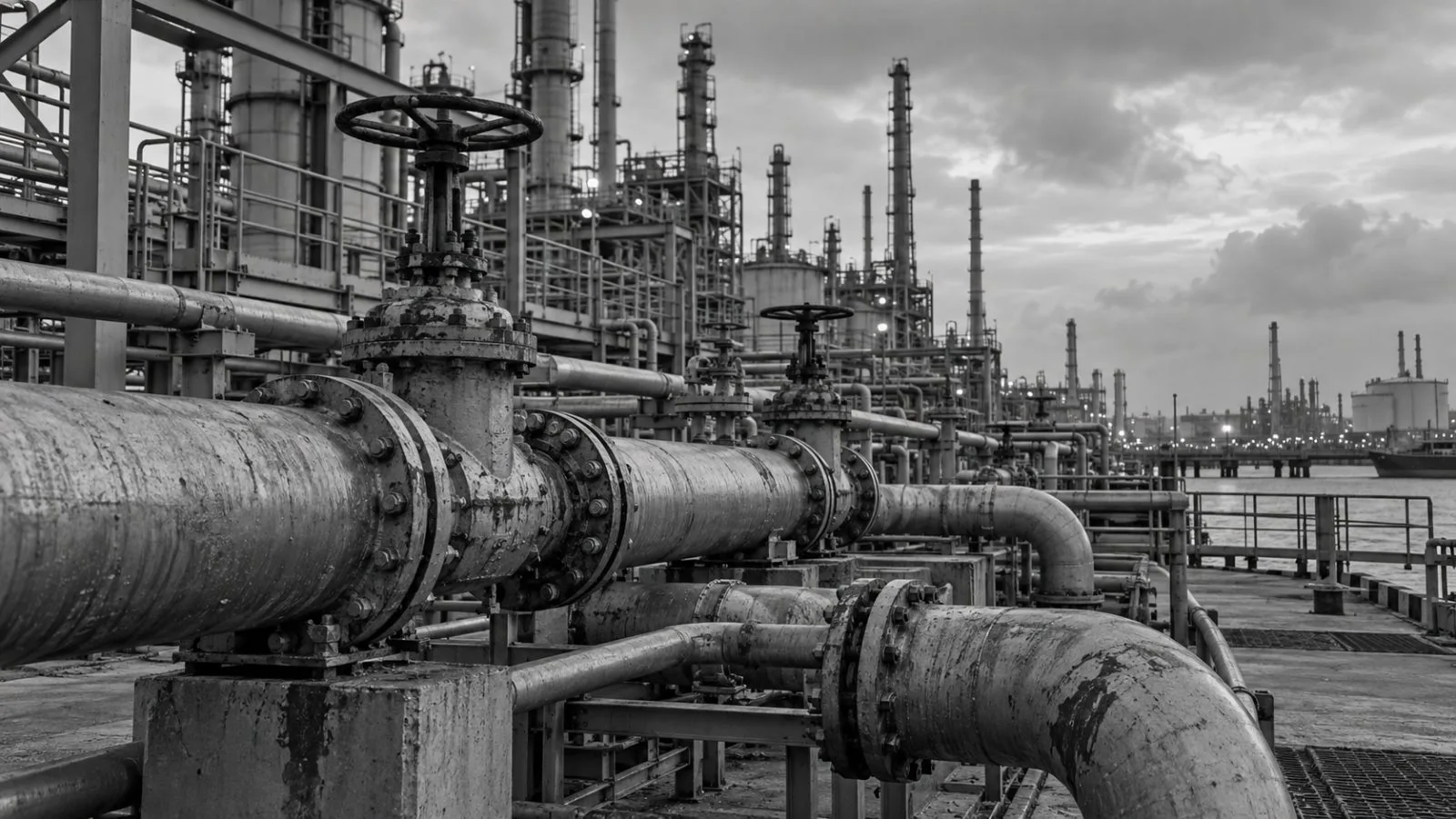
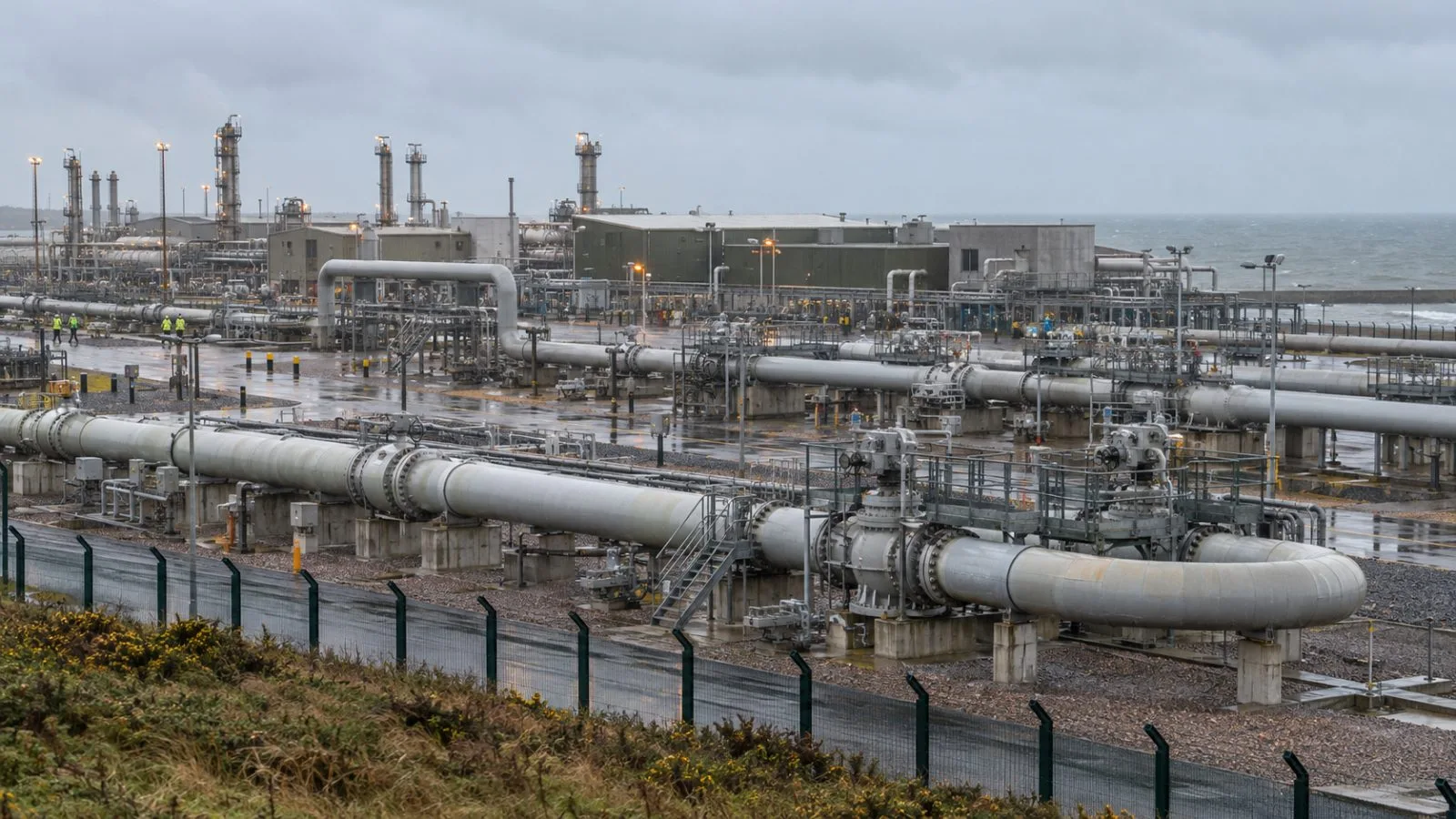
Indonesia began redirecting gas from pipelines bound for Singapore on Oct. 24 to meet domestic electricity needs, according to the country’s upstream oil and gas regulator, SKK Migas. In response to Channel NewsAsia’s queries, the regulator put the diversion at 31 million standard cubic feet per day: 15 million from Natuna and 16 million from Sumatra.
Singapore’s Energy Market Authority (EMA) said the reduction represents less than 2% of daily gas demand, which exceeds 1,000 billion British thermal units per day (BBTUD). EMA also relayed importer information indicating a 17 BBTUD reduction over 18 days; that estimate was not reconciled with SKK Migas’ daily figure.
Imported natural gas generates about 95% of Singapore’s electricity, EMA says. Singapore added liquefied natural gas (LNG) imports in May 2013 as another source of gas. Indonesia had planned lower exports amid rising domestic demand, The Straits Times reported, and Jakarta extended supply arrangements through 2028 in 2022 at lower volumes than the previous contract.
The Straits Times reported that replacing pipeline gas with LNG could increase procurement costs. Economist David Broadstock told the paper he expected the overall effect to be limited.
Political salaries were another difficult issue Wong addressed. He told Parliament on Sept. 8 that the government would not avoid the question. The Prime Minister’s Office said the revised framework provides one-time adjustments of up to 9% for existing political appointment holders from Oct. 15, 2026, depending on individual circumstances.
EMA said Singapore will undergo the International Atomic Energy Agency’s (IAEA) Phase 1 review in 2027. International experts will examine the country’s capabilities across 19 areas to inform its consideration of nuclear energy; Singapore has not decided whether to deploy it.