Singapore’s armed forces must prepare for future conflicts as drones combined with artificial intelligence can cause disproportionate battlefield damage, Defence Minister Chan Chun Sing said in remarks cited by CNA.
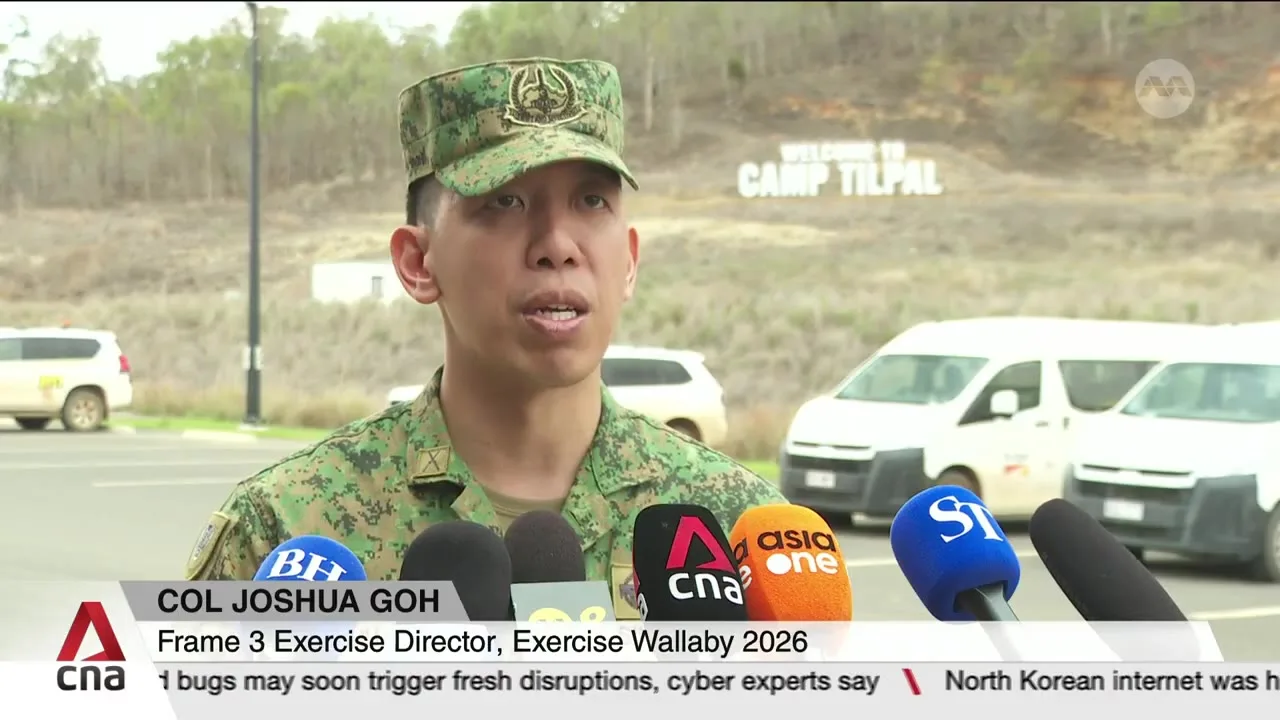
The military is testing unmanned systems alongside infantry and trying new ways to detect and counter hostile drones at Exercise Wallaby, its largest overseas drill.
CNA’s coverage, “Exercise Wallaby: SAF’s largest overseas drill is testing new tech, ways of defence”, published Oct. 23, cited the minister’s comments from earlier this year.
The exercise’s 36th edition will involve about 6,000 Singapore Armed Forces personnel and 1,200 military platforms, according to CNA. The training area in Australia is about five times Singapore’s size.
That space allows the air force to rehearse entire missions rather than individual stages. Air and army units also practise complex operations together, with engineers from the Digital and Intelligence Service and the defence technology community taking part.
The trials include equipment designed to protect helicopters from drones. The air force is exploring systems that jam enemy drone signals around aircraft, along with guns mounted at helicopter doors to shoot drones down.
A new air force training site in the Rockhampton area is its first in a decade. Trials there form part of efforts to practise missions involving drone threats and test equipment to counter them.
On the ground, mobile systems can be adapted to individual missions and force hostile drones to land. These trials form another part of the military’s work to detect drones and take them out of action.
The exercise also includes fibre-optic drones, which use cables instead of radio signals. That connection allows them to operate without relying on radio links that electronic jamming can disrupt.
The military is testing those drones as it adapts its equipment and tactics to countermeasures encountered on the battlefield. The cable connection offers a way to overcome tactics aimed at blocking radio-controlled drones.
Other drones are being tested to keep troops connected across large battlefields. Equipped with 5G network technology, they can serve as airborne communications links to help soldiers coordinate during complex operations.
The work brings together two uses of drones at the exercise: supporting troops and maintaining communications, while testing ways to stop hostile aircraft. Both sit alongside training involving ground forces and helicopters.
The coverage did not give a timetable for putting the systems into regular service or identify which trials would lead to purchases. It also gave no results measuring how well the equipment performed.