Slovakia’s cabinet took note of a report on cooperation with Russia on Nov. 17, the same day opponents rallied against Prime Minister Robert Fico’s government on the Velvet Revolution anniversary.
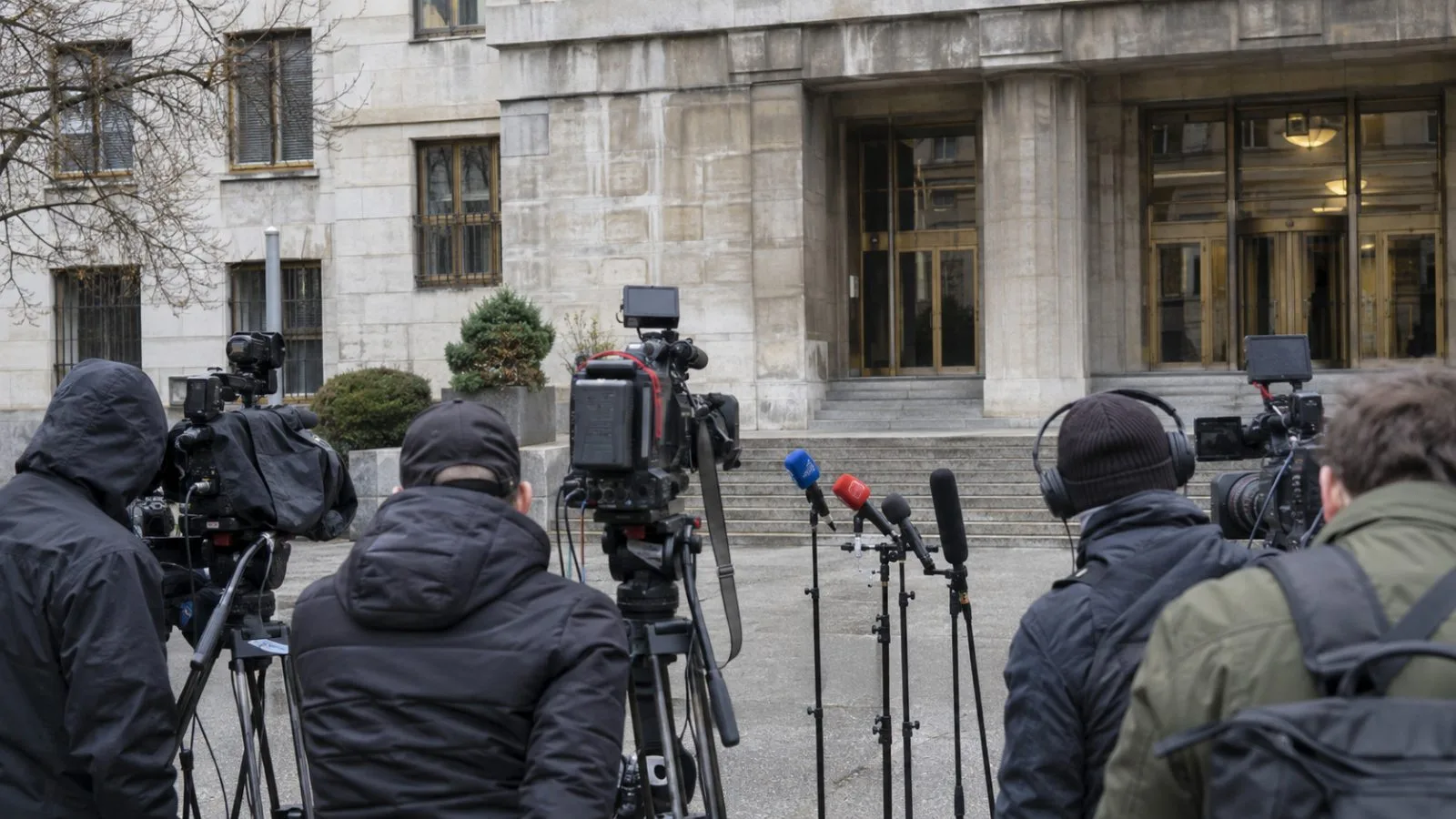
The demonstrations put Slovakia’s relationship with Moscow at the center of domestic political debate. The Associated Press reported that opponents objected to the government’s renewed engagement with Russia. Organizers estimated that 25,000 people attended the Bratislava rally, an estimate also reported by AP and Deutsche Welle. AP described protests in dozens of communities; DW and Euronews named Košice and Banská Bystrica.
The Slovak Ministry of Foreign and European Affairs describes Nov. 17 as a national holiday commemorating demonstrations that led to the end of communist rule in Czechoslovakia in 1989. The protests therefore coincided with a date marking a major political turning point in the country’s history.
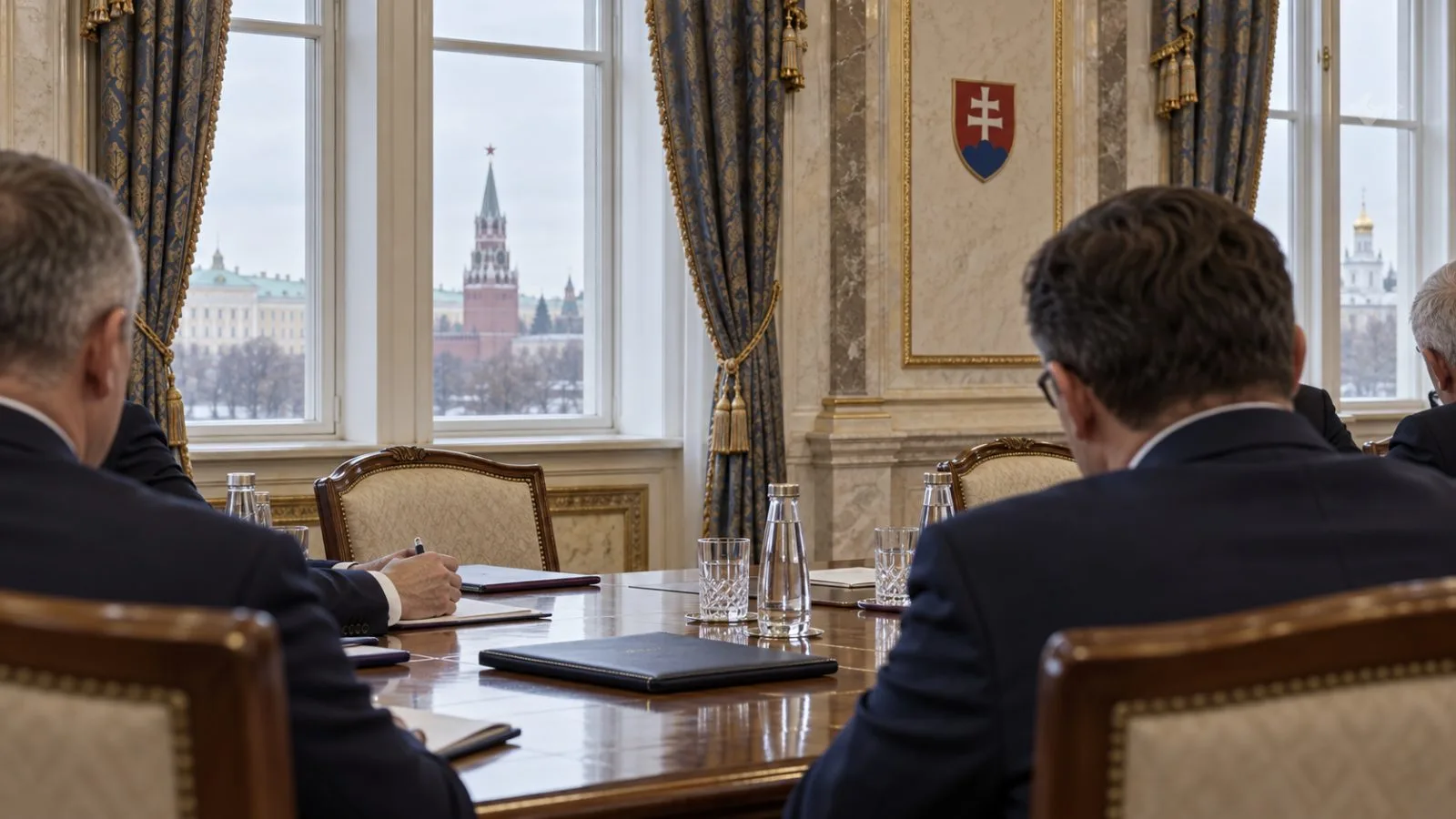
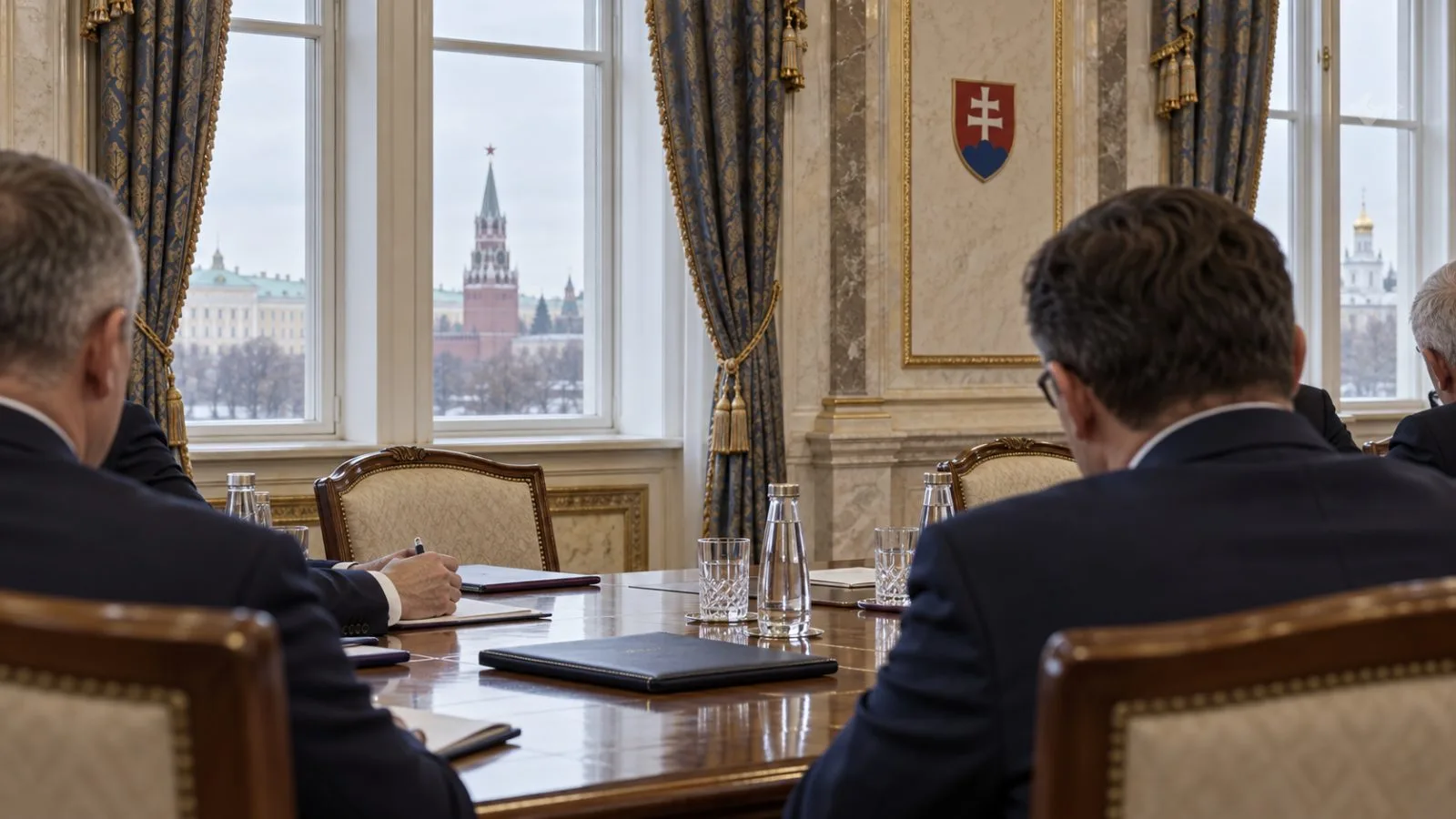
The Slovak government’s agenda identifies the cabinet item as a Foreign Ministry report on Slovak-Russian cooperation. The report covered a commission meeting in Moscow on Oct. 26, led by Slovak Foreign Minister Juraj Blanár and Russian Science and Higher Education Minister Valerij Faľkov, according to the commission protocol.
The protocol calls for intensifying cooperation between commission meetings. It separately discusses energy dialogue and business contacts. It also records the Russian side’s interest in supplying equipment for Slovak energy modernization projects, including the Gabčíkovo hydroelectric power station; it does not record a confirmed contract.
The Bratislava opposition coalition — Progressive Slovakia, the Democrats, Freedom and Solidarity, the Christian Democrats and the Hungarian Alliance — called for Fico’s government to end and said it wanted to defeat it in the next parliamentary election, AP and TASR reported. The commission’s next meeting is expected to take place in Slovakia in 2027, though the protocol sets no date or venue.