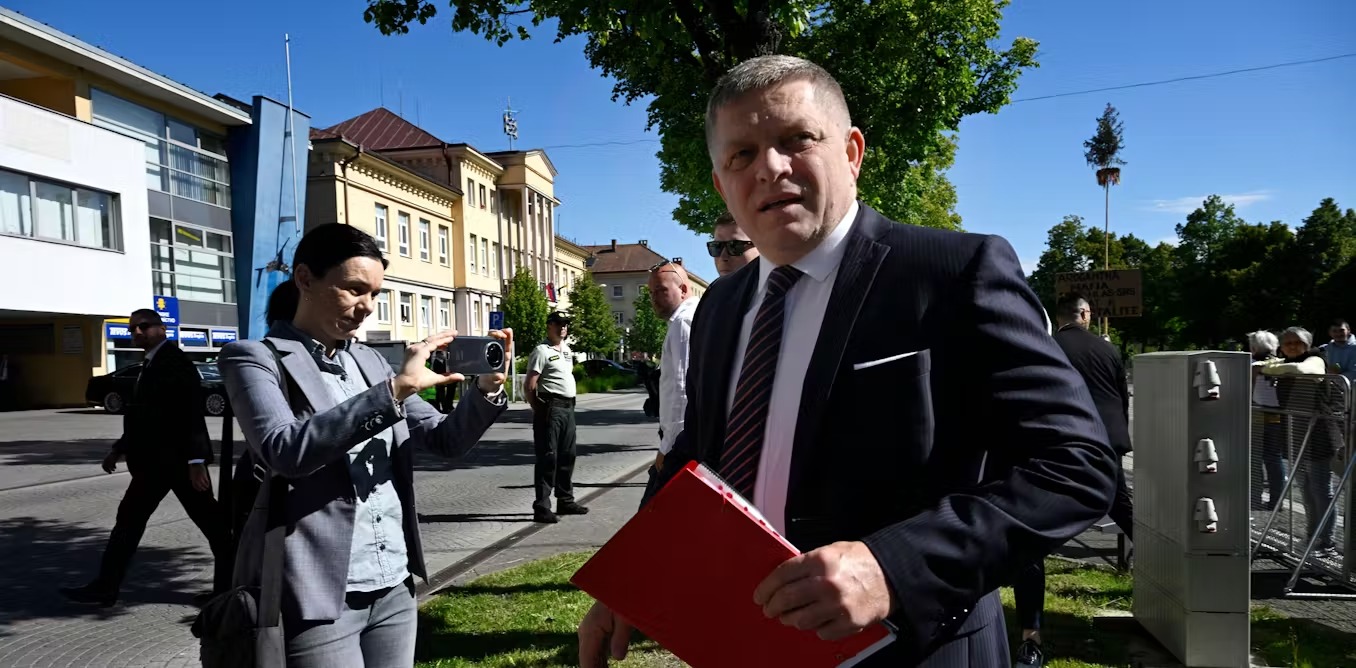
Slovakia is preparing to take a major step in expanding its nuclear energy capacity as it plans to sign a nuclear power cooperation agreement with the United States next week. Slovak Prime Minister Robert Fico confirmed the development on Saturday, signaling progress toward a potential deal to construct a new nuclear power unit with support from U.S. technology and expertise.
The agreement is part of broader talks between Slovakia and the United States that began last year, focusing on the construction of a large-scale nuclear power plant. The project is expected to involve U.S.-based nuclear energy company Westinghouse, a global leader in nuclear technology. If finalized, the new unit would be built at the existing nuclear power site in Jaslovské Bohunice and would remain under full state ownership, according to Fico.
Slovakia currently operates five nuclear reactors across two nuclear power plants, making nuclear energy a central pillar of the country’s electricity generation strategy. The proposed new reactor would have a capacity of nearly 1,200 megawatts, significantly larger than Slovakia’s existing nuclear units. This expansion reflects the country’s long-term goals to strengthen energy security, reduce reliance on fossil fuels, and ensure stable electricity supplies.
Prime Minister Fico stated that he intends to personally attend the signing of the broader U.S.-Slovak nuclear cooperation agreement in Washington on Friday, although he did not provide further details about the ceremony. The Slovak government had already approved an inter-governmental agreement with the United States in October, laying the groundwork for the construction of the new nuclear unit.
In December, Fico also revealed that U.S. President Donald Trump had invited him to the United States during this year’s soccer World Cup for the formal signing of a nuclear power deal between the two countries. The planned agreement highlights growing energy cooperation between Slovakia and the United States and underscores nuclear power’s continued importance in Europe’s energy transition and long-term decarbonization efforts.