Historian Timothy Snyder said the Nov. 3 midterms tested whether technology magnates’ wealth and influence could steer U.S. democratic institutions toward private interests, a question with implications for public power.
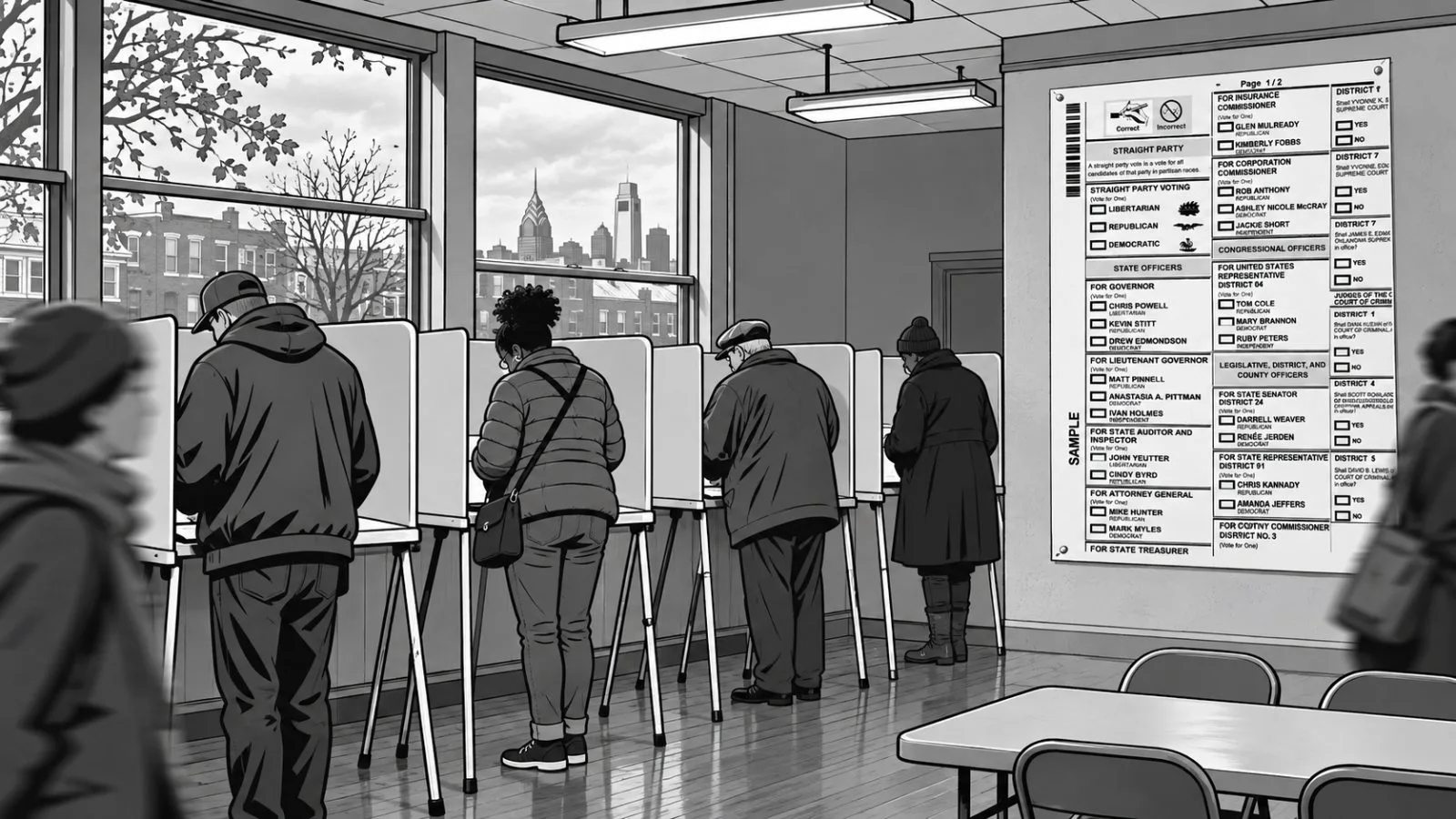
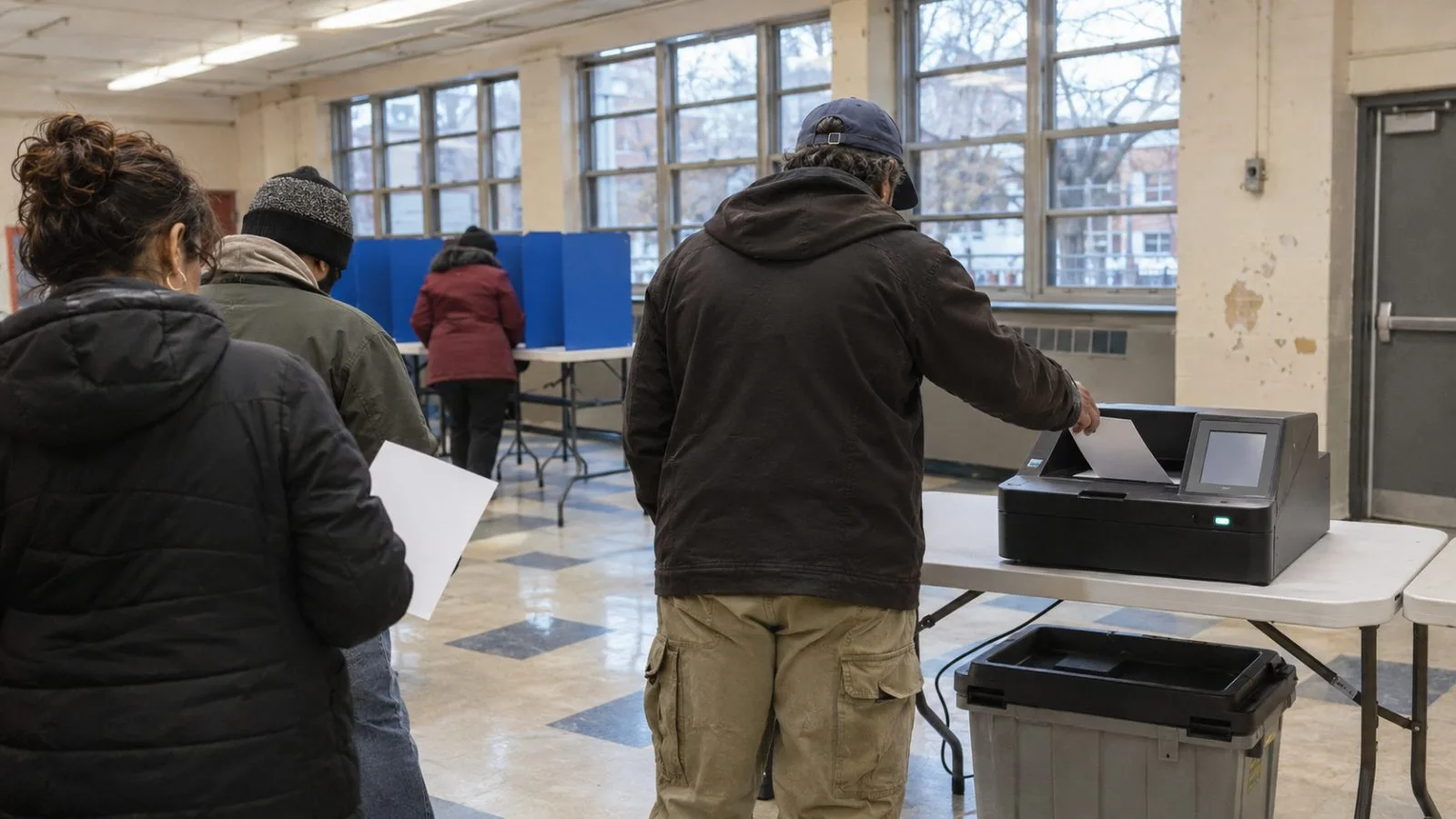
The election took place Nov. 3. The Federal Election Commission lists that date for the 2026 federal general election, while USAGov says all 435 House seats and about one-third of Senate seats were on the ballot in a midterm election. The results will determine which parties hold congressional majorities for the next two years.
France 24 published its interview with Snyder Nov. 3. Snyder is a professor and Chair in Modern European History at the University of Toronto’s Munk School. France 24 reported that he argued technology magnates’ wealth and influence could turn democratic institutions into instruments of private power. France 24 said the conversation, hosted by François Picard, also addressed the prospect of an era akin to the Gilded Age and the future of U.S. democracy.
He reached for a historical comparison, invoking the U.S. robber baron era of the 19th century when discussing the political standing of today’s technology leaders. The comparison was his interpretation of the current period, as reported by France 24.
Snyder said the midterms raised the possibility that Trump’s presidency could bring more or less open rule by technology oligarchs. He also cautioned that voters who conclude dishonesty is universal may become more accepting of corruption, weakening the pressure to hold officials accountable.
He cited community organizing, demonstrations and participation at the ballot box as evidence that people still care about democracy. Snyder described the election as not fair but free, saying people continued to organize and support one another. “The encouraging thing is that we're not there yet. I think people care,” he said.
France 24’s headline characterized Trump’s U.S. foreign policy by comparing it with organized crime. Its written description did not include the interview exchange behind that characterization or specify the policies at issue.