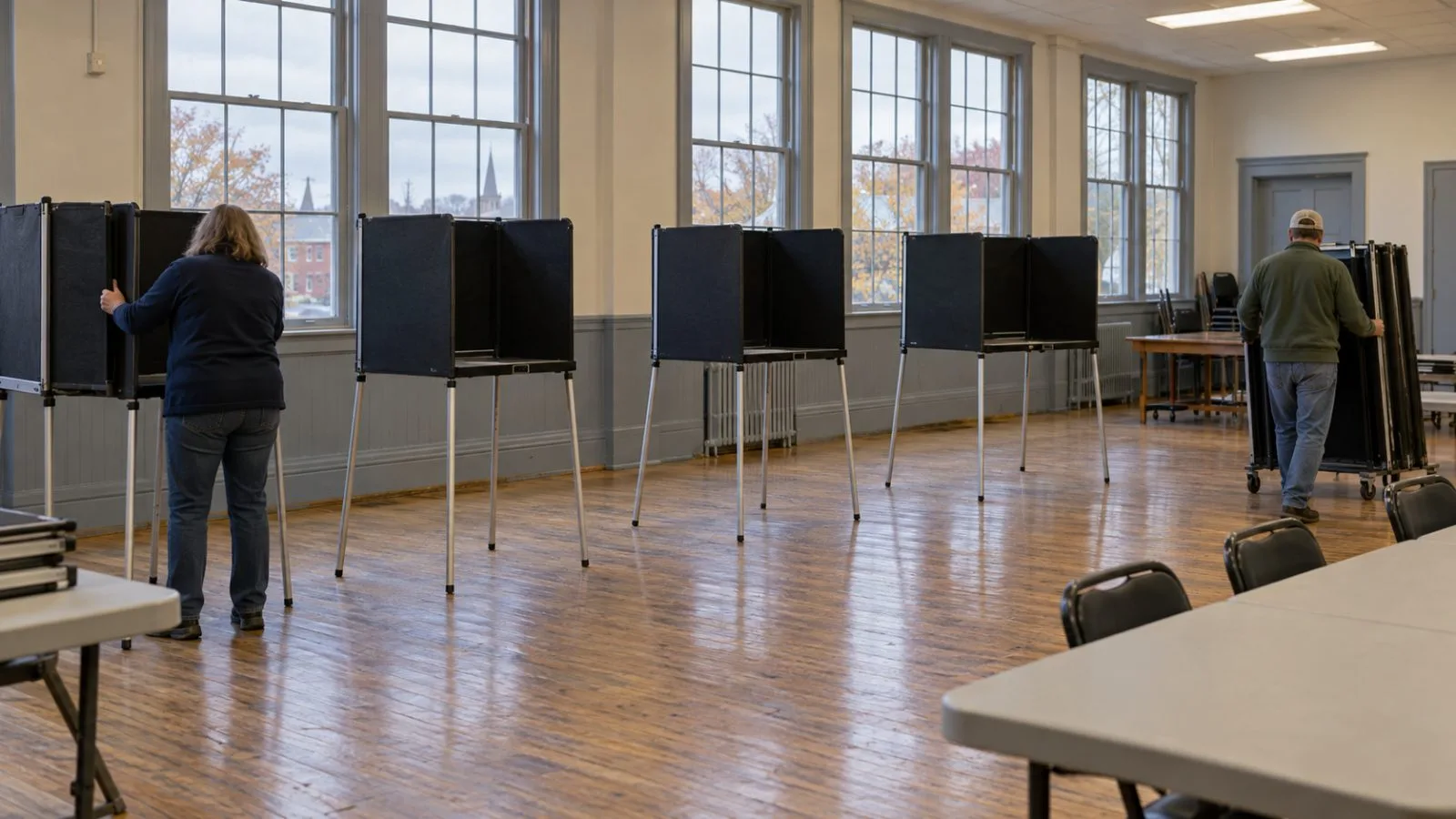
Interviews published before Maine’s Nov. 3 Senate election showed some voters weighing party control against their views of Republican incumbent Susan Collins and Democratic challenger Troy Jackson.
For Norm Belanger, the race came down to checks and balances. He told CBS Boston that he and his wife planned to vote against Collins, though they generally choose candidates individually rather than by party. Belanger said Jackson did not excite him but was “the best choice of the two.”
CBS Boston also spoke with Kittery residents who said neither party had offered a strong option. One unnamed voter told the outlet: “There’s no white knight here in either party.”
ABC News reported Oct. 18 that Mary Anne Lynch, a lifelong Democrat, intended to vote for Collins because she viewed the Republican as bipartisan. Brenda Garrand said she had supported Collins in three previous races. Garrand told ABC News she planned to back Jackson to “make sure that there is a Democratic Senate.” Both accounts described plans made before the election, not confirmed ballots.
Marist Poll’s survey of 1,449 registered voters, conducted Oct. 22-25, put Jackson at 49% and Collins at 47% among likely voters. The margin of error for that group was 6.6 percentage points, so the two-point difference did not establish a clear lead.
The race was part of a wider contest over control of the Senate. The 119th Congress had 53 Republicans, 45 Democrats and two independents. Collins was first elected in 1996. Maine Secretary of State records show Troy D. Jackson became the Democratic replacement nominee after Graham C. Platner withdrew in July.
The interviews add individual voter perspectives to earlier EconoTimes coverage of the candidates’ campaign messages. The accounts captured stated intentions ahead of the Nov. 3 election, not how those voters ultimately voted.